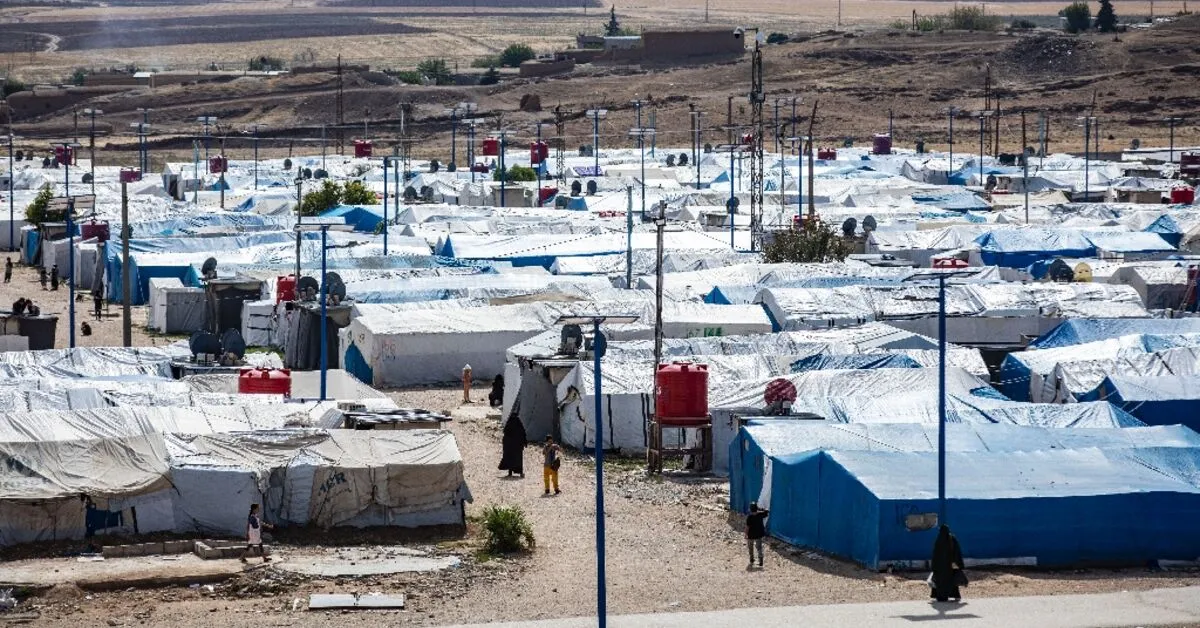
A fragile ceasefire has brought a semblance of calm to Lebanon, but for tens of thousands displaced by conflict, it has failed to restore a sense of security or enable their return home. Many face the stark reality of destroyed residences and occupied hometowns, leaving their livelihoods in ruins and their futures uncertain.
Hussein Merhi, a former farmer from the historically significant border town of Kfar Kila, exemplifies this plight. His village lies in ruins and remains under Israeli occupation, preventing his return. "I still can't go back to my village. It's still occupied. My house is gone, and my livelihood is gone," Merhi stated, speaking from a university shelter in Sidon. He questioned the benefits of the ceasefire, lamenting, "We were displaced, and we're going to remain displaced. There's a ceasefire — what did I gain?"
The conflict, which began in March, saw Israeli military operations expand across southern Lebanon and other regions, prompting the displacement of over 1.2 million people, approximately one-fifth of the population. While some have managed to return to their villages following the June 20 ceasefire, official figures indicate that only about 14,000 out of over 103,000 displaced individuals in shelters had left by Wednesday. Reports from local officials confirm family returns, but accurate numbers are elusive as many find their homes destroyed.
The scale of destruction is significant, with Lebanon's National Council for Scientific Research reporting over 90,000 housing units damaged or destroyed between early March and mid-June. Merhi's mother, Zahra Chehadeh, expressed her family's dire situation, highlighting the unaffordability of renting and the loss of their farm's income. "Like everyone else, I felt like I wanted to go back to my village, go back to my home. There's no house, no village, nothing at all. What am I supposed to feel?" she asked.
Israeli troops maintain a presence up to 10 kilometers inside southern Lebanon, in an area encompassing numerous villages. Israeli officials have indicated these areas remain off-limits, with the Defense Minister previously stating that houses in border villages would be destroyed and residents barred from returning until northern Israel was secured. International rights organizations have criticized Israel's use of mass displacement and "no-return" orders as violations of international humanitarian law, though Israel maintains these measures are for civilian protection.
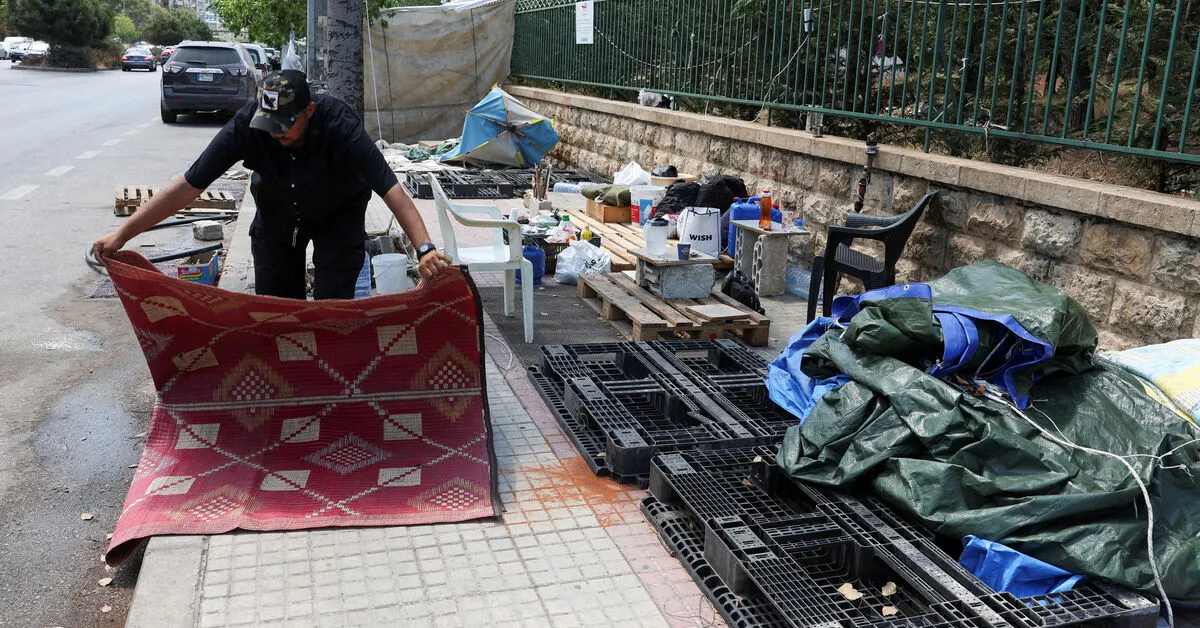
Lebanon and Israel are reportedly engaged in discussions regarding a U.S.-backed proposal for Israeli forces to cede territory to the Lebanese military. However, the extent and timeline of any Israeli withdrawal remain uncertain, fueling concerns of a protracted displacement crisis. Lebanese authorities are exploring options such as prefabricated housing and cash-for-rent assistance, but face challenges related to funding and available land. In Beirut, the city council is preparing to clear makeshift camps, leaving some residents with no immediate alternative housing, compounding the nation's ongoing struggle with conflict and economic instability.