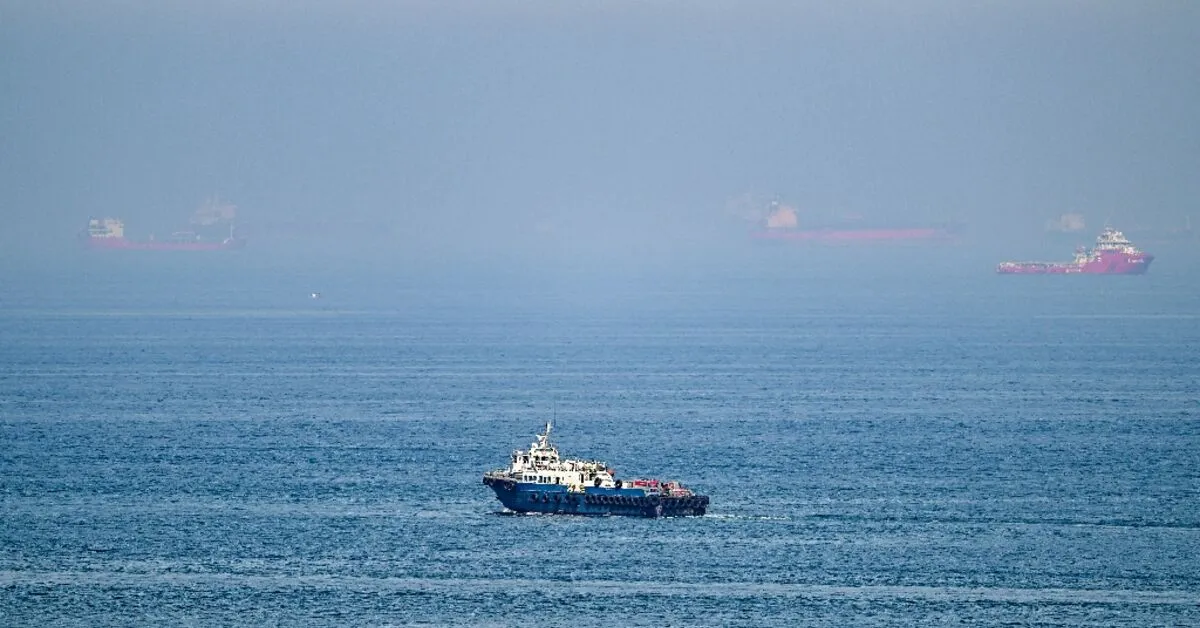
Vessels continue to navigate a passage through the Strait of Hormuz along the Omani coast, despite Iran's warnings and a recent projectile strike, according to shipping data. Traffic levels, while down from recent peaks, indicate ongoing transit through the disputed corridor.
Kpler's tracking platform reported that at least 42 commodity vessels, including oil and gas tankers, transited the strait on Thursday. Of these, ten entered the Gulf and 32 exited. Notably, half of the transiting vessels utilized a southern passage adjacent to Oman. By Friday afternoon, an additional 29 commodity vessels had crossed, with 17 employing the Omani route.
This continued use of the non-Iranian-approved passage occurred despite a Singapore-flagged container ship reporting it had been struck by a projectile while using the route on Thursday, according to the United Kingdom Maritime Trade Operations (UKMTO) centre. Marine Traffic data indicated approximately 15 tankers and cargo vessels crossed the strait between the time of the attack and midnight Thursday.
The Islamic Revolutionary Guard Corps (IRGC) stated that Oman and the International Maritime Organization (IMO) established the new corridor without consulting Tehran, and issued a warning against its use. The IRGC asserted that only transit routes designated by the Islamic Republic of Iran are authorized.
The attack on the cargo ship necessitated the suspension of a program to evacuate approximately 11,000 mariners who were stranded due to the closure of the strategic strait, the IMO announced. A total of about 115 vessels and 2,500 seafarers had been evacuated between Tuesday and Friday before the operation was paused following consultations with regional countries.
Shipping traffic through the Strait of Hormuz, which normally handles about a fifth of the world's oil and gas exports, has seen a steady increase since June 15. While Wednesday recorded seventy confirmed crossings, a significant decrease from the approximate 125 transits observed during peacetime, Brent North Sea crude oil prices fell more than five percent on Friday amid optimism about the strait's reopening. However, experts caution against premature declarations of normalcy, citing ongoing negotiations and the lack of clarity on post-ceasefire arrangements. Richard Meade, editor-in-chief of Lloyd's List, described the surge in shipping as a "ceasefire-driven release of pent-up demand" and warned that the strait remains less safe until new terms are established and respected.