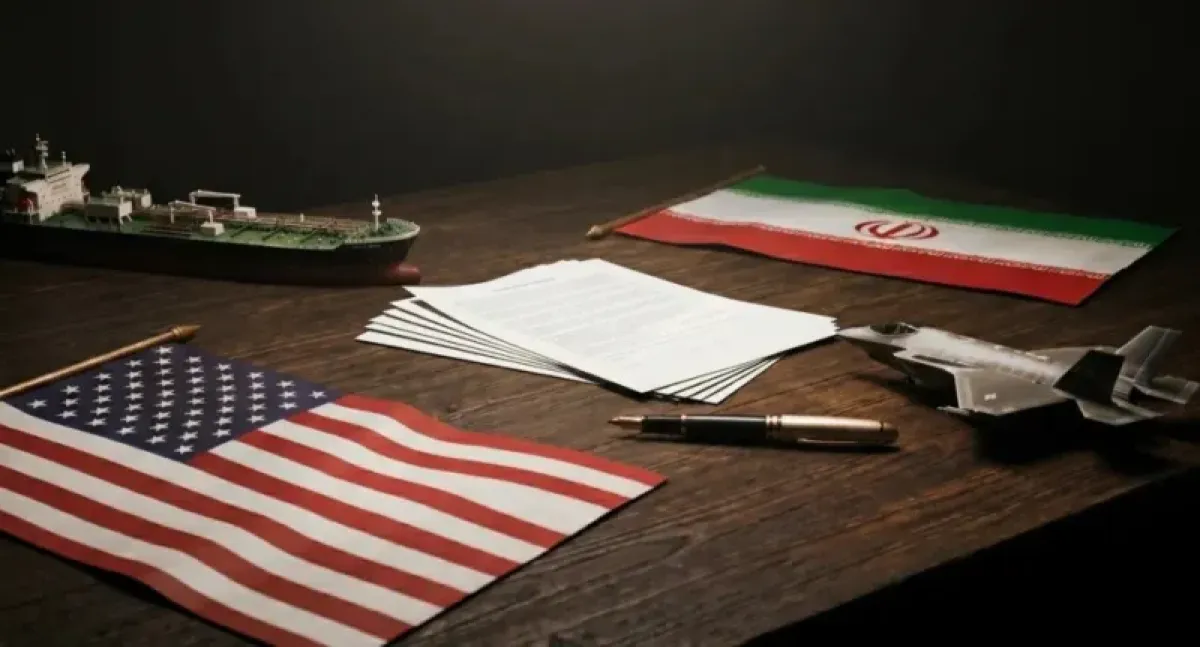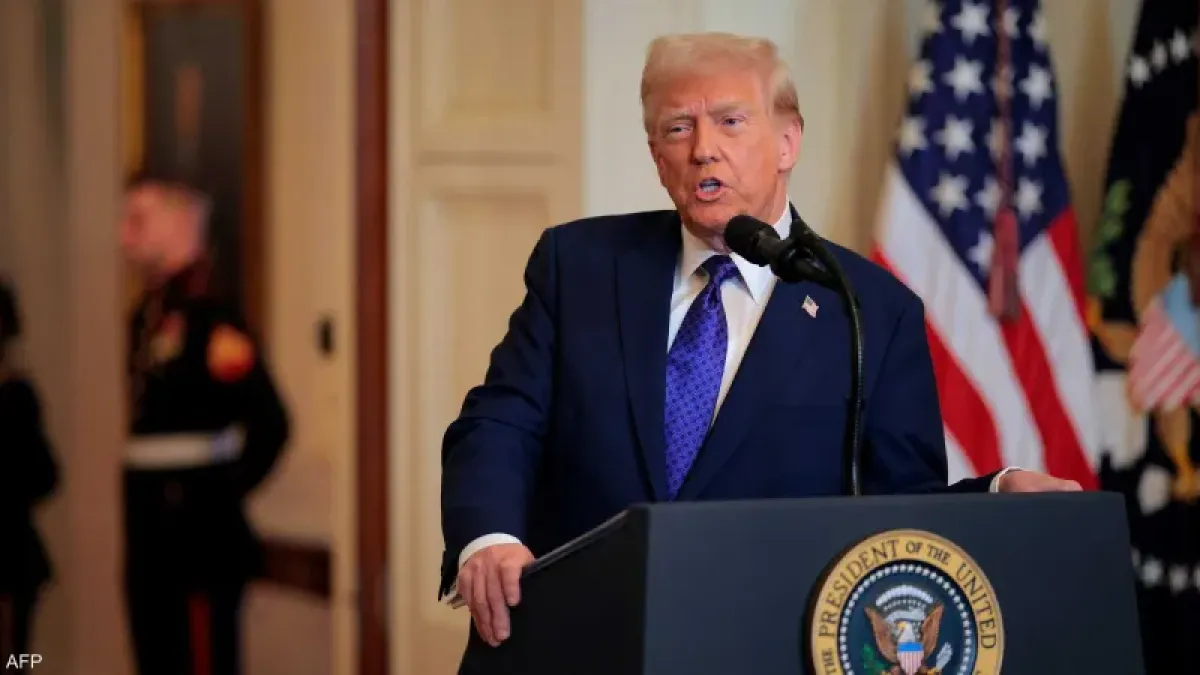
Former U.S. President Donald Trump has threatened to immediately end ongoing negotiations with Iran if Tehran's assurances regarding freedom of navigation in the Strait of Hormuz prove to be inaccurate. This warning signals the persistent mistrust between the two nations, despite recent progress reported on nuclear and security matters.
Trump stated on Wednesday that Tehran had informed Washington it imposes no transit fees, insurance, or additional costs on vessels passing through the Strait of Hormuz, dismissing reports to the contrary as "misleading and false." However, he coupled this with a direct warning that negotiations would cease immediately if these commitments were found to be untrue.
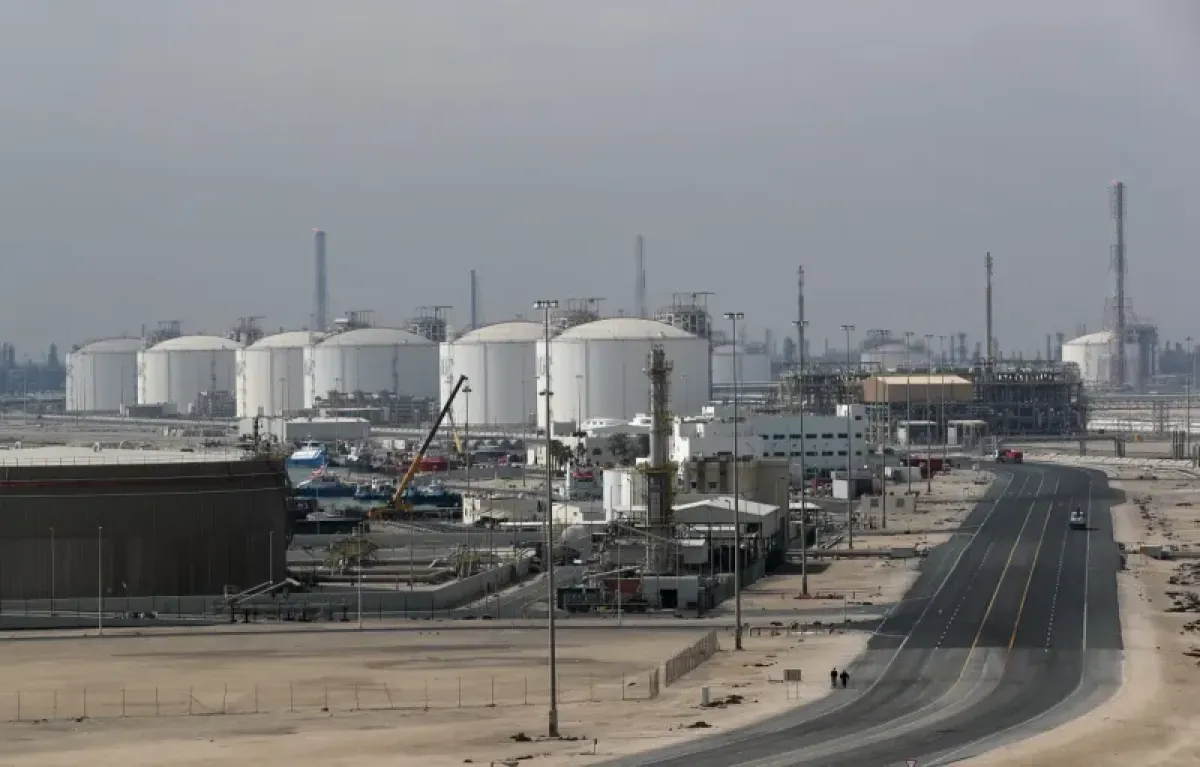
The U.S. stance reflects the significant stakes associated with the strategic waterway, through which a substantial portion of global energy trade transits. Washington aims to ensure the Strait is not used as a political or economic pressure tool by Tehran in the upcoming phase.
Trump's remarks come as the United States and Iran prepare to resume technical discussions next week, as part of a recently signed memorandum of understanding aimed at reaching a final agreement within a sixty-day period, extendable. Pakistan, leading mediation efforts between the parties, confirmed that consultations would restart in the coming days, following extensive political and technical discussions held in Switzerland.
Despite the positive atmosphere surrounding the announcement of renewed dialogue, Trump's latest threat indicates that initial agreements remain vulnerable to setbacks upon practical testing, particularly given the accumulation of years of political and military confrontation between the countries.
Concurrently, the U.S. President denied providing any cash to Iran or releasing its frozen assets to date, noting that any funds released in the future would be used to purchase food items from American markets, including wheat, corn, and soybeans, citing what he described as a severe shortage of food supplies within Iran.
The U.S. President had announced the previous day that Tehran had agreed to a strict and long-term nuclear inspection regime, in addition to committing to keeping the Strait of Hormuz open to international navigation, considering this a major outcome of the recent understandings between the two sides.
In a move reinforcing de-escalation signals, the Director General of the International Atomic Energy Agency, Rafael Grossi, confirmed that agency inspectors would visit Iranian uranium enrichment sites, a key provision of the interim agreement currently being implemented.
On the maritime front, the International Maritime Organization announced the commencement of a new plan for vessel passage through the Strait of Hormuz following the achievement of a ceasefire agreement, confirming that several commercial ships had already transited, with dozens more preparing to sail in the coming days.
Observers believe that the success of the maritime plan and the gradual resumption of navigation represent a practical test of Iran's commitment to the new security understandings. Any incident or dispute regarding freedom of passage could rapidly reignite tensions and derail the entire negotiation process.
While international mediation efforts aim to consolidate the de-escalation and transform it into a lasting agreement, Trump's statements appear to be an early pressure tactic towards Tehran, signaling that the continuation of negotiations is contingent upon the actual implementation of commitments related to the nuclear program and international maritime security, not merely declared political pledges.