As the world observes the International Day Against Drug Abuse and Illicit Trafficking on June 26th, Yemen faces a growing drug problem, a challenge compounded by years of conflict, economic collapse, and security instability. This escalating threat, particularly targeting youth, poses a significant danger to social order and the nation's future.
While not previously a dominant issue, Yemen's complex transformations over the past decade have created fertile ground for the proliferation of narcotics. Smuggling networks, promotional activities, and an increasing number of users in certain areas have contributed to this pervasive issue, exacerbated by the country's ongoing crises.
The protracted conflict in Yemen has fostered exceptional conditions conducive to the expansion of the drug trade. Weakened oversight of some entry points and routes, coupled with declining living standards, high unemployment rates, and immense psychological and social pressures on millions of Yemenis, have all created an environment where criminal networks exploit instability to advance their illicit operations. Experts emphasize that the true danger lies not only in confiscated drug quantities but also in those that reach local markets and the ability of dealers to target young individuals by exploiting need, ignorance, and a lack of awareness.
Yemen's youth, who constitute the majority of the population, are directly threatened by the drug epidemic. Unemployment, limited educational opportunities, a scarcity of youth activities, and widespread disillusionment stemming from the current circumstances create a dangerous vulnerability, potentially leading more young people into addiction. The loss of even one young person to addiction represents not just the loss of an individual but the incapacitation of productive potential, the disruption of families, and the jeopardizing of an entire community's future, especially at a time when Yemen desperately needs all its human resources to overcome its accumulated crises.
The drug issue has transcended mere health concerns and addiction treatment to become an intricate security, economic, and social problem. International experiences demonstrate a strong correlation between drug prevalence and increased crime rates, violence, and family disintegration, alongside the depletion of financial resources for families and nations. In Yemen, where service and economic institutions are already under immense strain, any expansion of addiction will impose additional burdens on society and threaten the emergence of more complex problems in the future. The spread of drugs also weakens the social fabric, undermines value systems, and directly impacts security and stability, particularly when smuggling and trafficking networks become sources of funding for other criminal activities.
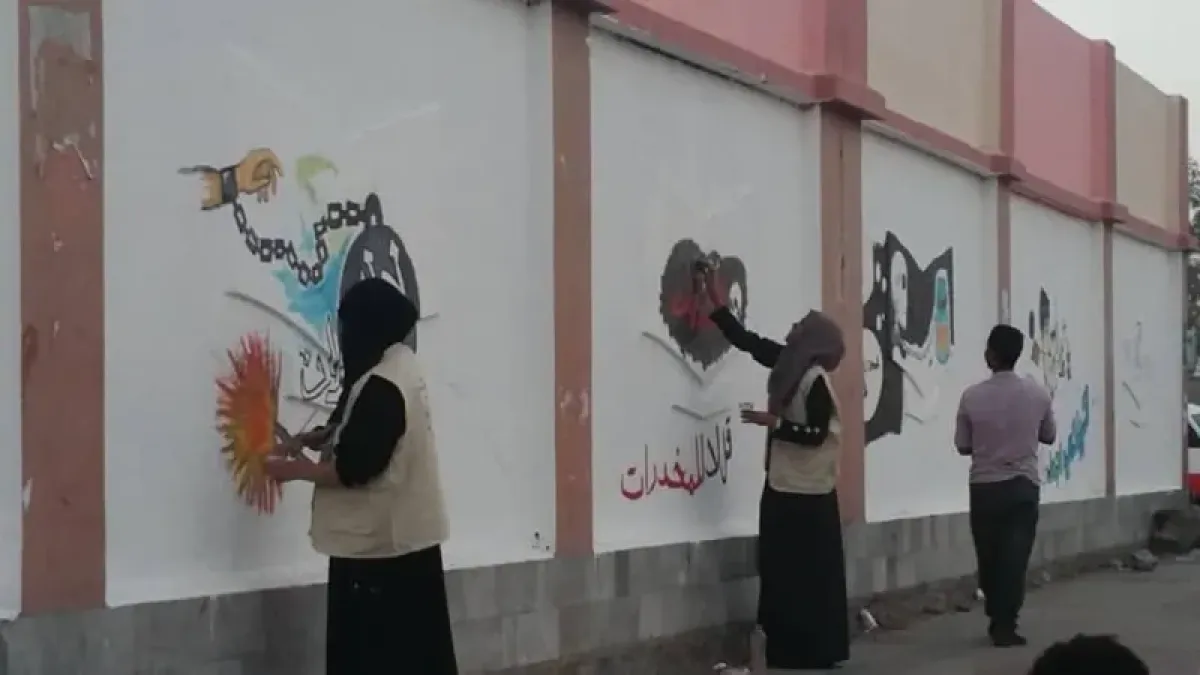
Despite the importance of security campaigns and efforts to apprehend traffickers and dealers, social specialists universally agree that the true battle begins with awareness. While security agencies can pursue dealers and intercept shipments, they cannot solely prevent a young person from falling prey to addiction if they lack sufficient knowledge of its dangers and the methods used to lure them. Therefore, awareness emerges as the first line of defense, safeguarding not only individuals but the entire community from the repercussions of this scourge. This responsibility starts within the family, followed by schools, universities, mosques, media outlets, civil society organizations, and ultimately, all official institutions tasked with protecting society.
Given the extensive influence of traditional and digital media, there is a pressing need for continuous awareness campaigns that extend beyond seasonal observances. These efforts should aim to expose the reality of drugs and their health, psychological, and social consequences. Traffickers often rely on misinformation and the dissemination of false concepts, portraying drug use as an escape from pressures or a means to improve one's mental state. However, facts confirm that drug use ultimately leads to addiction, ruin, and a loss of control over one's life. Specialists assert that fostering a public opinion that rejects drugs is a crucial preventive tool, and the media possesses the capacity to transform societal awareness into a potent force against this phenomenon.
On this International Day Against Drug Abuse and Illicit Trafficking, the message is clearer than ever: no society can overcome this scourge through security solutions alone, nor can the confrontation be left to any single entity, regardless of its capabilities. Yemen, grappling with complex political, economic, and security challenges, requires a comprehensive national strategy that makes combating drugs an ongoing priority. This strategy must be founded on awareness, prevention, treatment, rehabilitation, development, and the creation of opportunities for youth. The most insidious aspect of drugs is their quiet infiltration into crisis-stricken societies, leaving behind a threatened generation and a more fragile future. Therefore, Yemen's fight against drugs is not merely a battle against a prohibited substance but a fight to protect its people, preserve its society, and safeguard its national future. Amidst the country's exceptional circumstances, comprehensive and continuous awareness remains the primary defense and the most secure bet for protecting Yemeni youth from falling into the clutches of an epidemic that indiscriminately targets individuals, families, and communities, ultimately imperiling the nation's present and future.