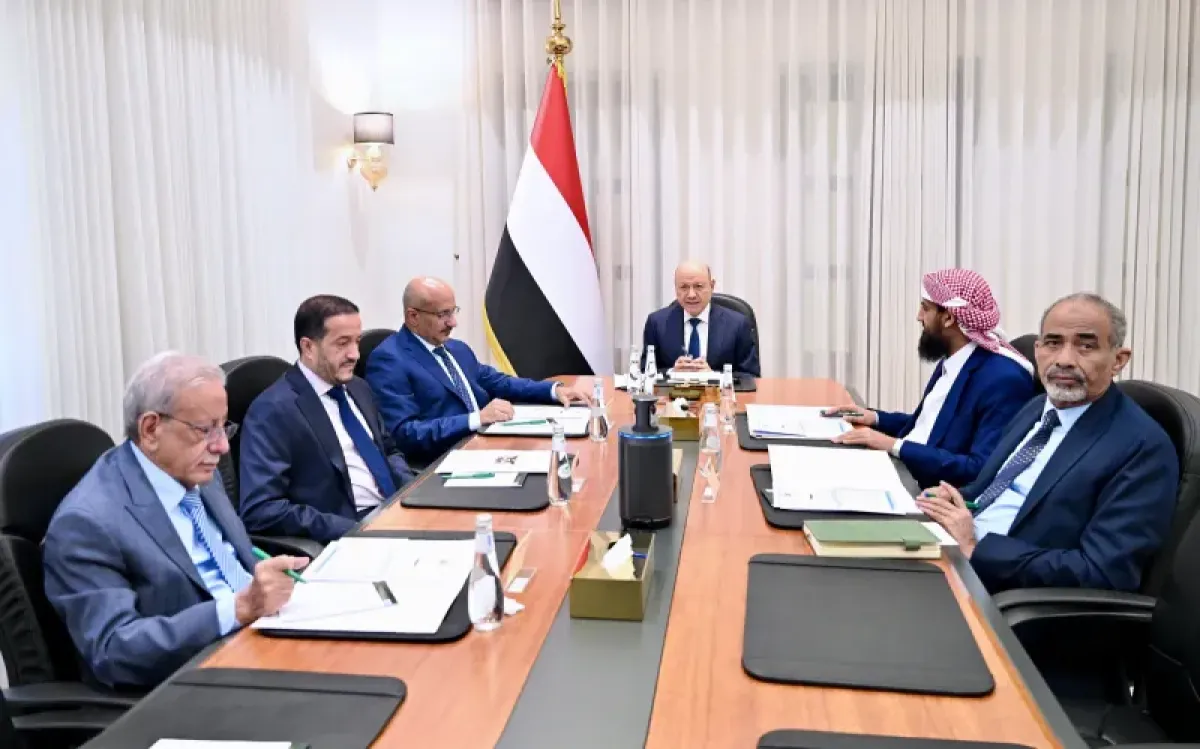
Ongoing security investigations into the assassination of Wissam Qaed, Director of the Social Fund for Development, have revealed a complex terrorist network involving the planning capabilities of the Houthi militia and prominent terrorist leaders associated with the Muslim Brotherhood. This indicates a continued reliance by the terror alliance on organized assassinations and bombings to destabilize liberated southern provinces and target state institutions and their civilian leadership.
According to observers, this crime is part of a series of operations targeting influential figures in government and development work. These actions serve a strategy aimed at spreading chaos and undermining any model of stability in areas outside Houthi control. The perpetrators leverage sleeper cells and terrorist networks that maintain organizational and financial ties with Houthi leaders residing in Sana'a.
The police in Aden released confessions from a member of the assassination cell, which, for the first time, detailed the entities that planned and supervised the operation. This has reopened investigations into several of the most dangerous terrorist incidents that have plagued the country in recent years.
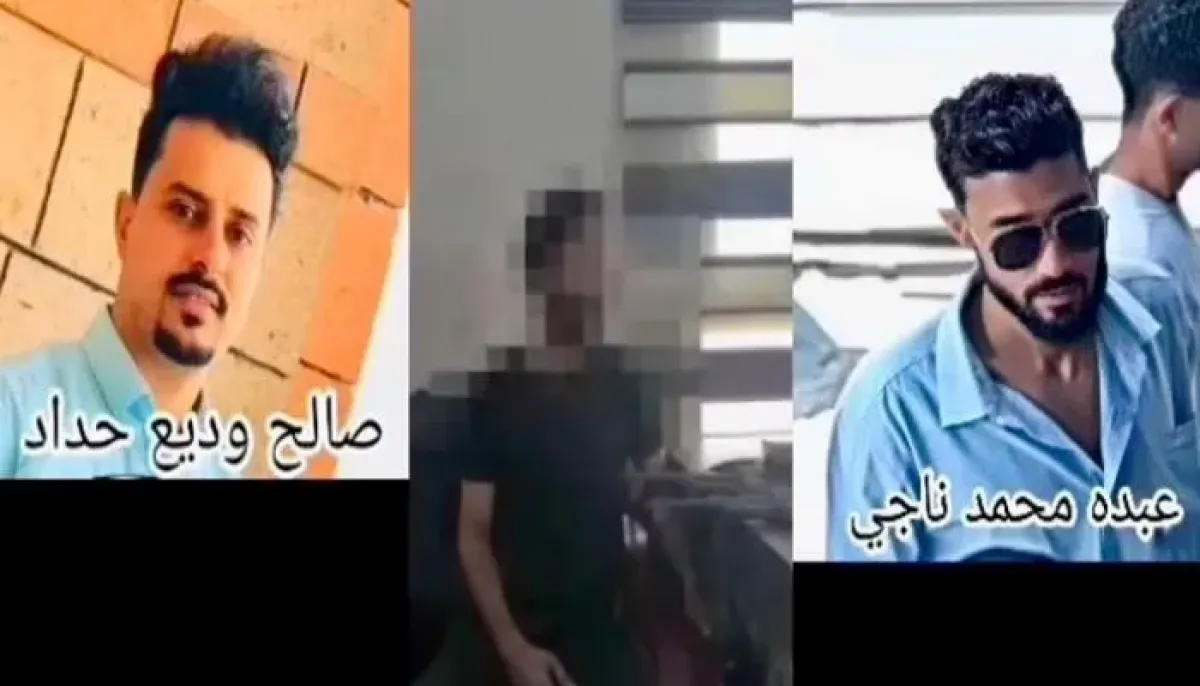
The interrogated suspect, Omar Nasser Saleh, confessed during investigations by Aden police that Saleh Wadih Haddad was a key participant in the assassination of Wissam Qaed, alongside Abdo Mohammed Naji and Mahdi Al-Suwaidi. The operation was meticulously planned with clear role distribution among the cell members. The confessions suggest Haddad was not merely a field operative but directly supervised the operation, reinforcing the belief of security agencies that the assassination was part of organized operations managed by Houthi leaders with extensive experience in establishing and managing terrorist cells within liberated provinces.
Analysts believe that targeting a civilian figure leading a crucial development program in Yemen signifies an expansion of the group's objectives beyond military and security leaders to include development and service institutions. This aims to disrupt any efforts to improve citizens' lives or strengthen state presence. The confessions also highlight the Houthis' continued use of "proxy warfare," employing local operatives and networks for field execution while planning, funding, and management remain within Houthi-controlled areas.
Security investigations have again brought Saleh Wadih Haddad to the forefront as one of Yemen's most wanted individuals. His name has been linked to several major terrorist operations targeting Aden in recent years. Haddad is considered a close associate of former military commander Amjad Khalid, who led the Transportation Brigade before being accused by Yemeni authorities of managing a terrorist network operating in direct coordination with the Houthi militia. Security agencies had previously accused Haddad of orchestrating the car bombing that targeted the external gate of Aden International Airport on October 30, 2021, an attack that killed 22 people and injured nearly fifty, marking one of the city's most severe terrorist assaults.
Following that incident, the Counter-Terrorism Agency listed Saleh Wadih Haddad among its most wanted, offering a reward of thirty million Yemeni riyals for information leading to his arrest and warning citizens against any dealings with him. Despite arrest warrants, Haddad later appeared on media platforms associated with the Muslim Brotherhood from within Sana'a, a move observers interpreted as a sign of perceived protection within Houthi-controlled territories, which, according to security agencies, have become a safe haven for managing and funding terrorist cells operating in liberated provinces.
The recent confessions are particularly significant as they re-establish a link between the assassination of Wissam Qaed and the Amjad Khalid network, whose activities were detailed by the Supreme Security Committee in late June 2025. At the time, the committee confirmed dismantling a vast terrorist network led by Amjad Khalid, revealing direct coordination with prominent Houthi militia leaders, as well as links to Al-Qaeda and ISIS elements. This network was described as one of the most dangerous operating to destabilize liberated provinces.
According to investigation findings, the network executed or participated in numerous assassinations and bombings, including the assassination of World Food Programme director Mu'ayyad Humaidi in the city of Al-Turbah, Taiz Governorate, and attacks on military, security, and civilian leaders in Aden, Taiz, Lahj, and Al-Bayda. Investigations also revealed that network elements received direct orders from Houthi leaders, gathered intelligence, filmed assassinations, and prepared explosives and car bombs within civilian homes, demonstrating the organizational depth and logistical support provided by the group to these cells.
Analysts suggest that the repeated appearance of the same names in multiple terrorist operations confirms that these networks are not isolated entities but part of a single security apparatus where roles are divided between Houthi planning and execution through cells linked to former military leaders. The confessions from Wissam Qaed's assassination cell have re-brought Amjad Khalid into focus; he had previously received two death sentences in terrorism cases, amidst growing accusations of political and media cover providing him protection at various stages.
Journalist Basim Al-Shaibi stated that the confessions from Aden security have again revealed the name of Saleh Wadih, as a prominent associate of Amjad Khalid, asserting that this confirms the network's continued activity despite security setbacks. He noted that some media platforms affiliated with the Muslim Brotherhood had previously presented Amjad Khalid as a resistance leader, while accumulating security facts, according to him, link him to multiple terrorism files, raising questions about the nature of the media and political cover these networks enjoyed.
Observers believe the relationship between the Houthis and these networks is no longer merely a political hypothesis but is now supported by ongoing confessions and security investigations indicating shared interests centered on undermining security and prolonging chaos in liberated areas. In parallel with security developments, the stances of some media outlets associated with the Muslim Brotherhood have sparked widespread controversy after they directed political accusations hours after the crime, prior to any official investigation results.
Political analyst Dr. Yasser Al-Yafei stated that the confessions broadcast by Aden security confirm that the Houthi militia was behind the assassination of Wissam Qaed, and that the terrorist Saleh Wadih came from Sana'a to supervise its execution. He considers this to expose the falsity of narratives that attempted to implicate other parties. He added that media outlets affiliated with the Muslim Brotherhood rushed to accuse the Southern Transitional Council and the UAE of orchestrating the crime in an attempt, as he described it, to divert the course of the investigations and politically exploit the case before the facts emerged.
Observers contend that pre-empting investigation results and making political accusations has become a recurring pattern in several security cases, contributing to public confusion and hindering the efforts of specialized agencies. This is evidenced by the ongoing investigation results that continuously link a number of terrorist operations to cells operating under the direct supervision and funding of the Houthi militia. Analysts emphasize that the revelations from the Wissam Qaed assassination case represent a new indicator of terrorism becoming a tool employed by the Houthi militia to strike at stability in liberated provinces. They exploit networks linked to wanted individuals, attempting to maintain security chaos and impede state efforts in rebuilding institutions and promoting development. Consequently, pursuing these networks and drying up their funding sources becomes a national priority to protect security and stability.