Facing escalating destruction of cultural sites, Palestinians are building a digital archive they hope can't be erased. The Palestine Museum Digital Archive, launched in 2018, now holds over 500,000 digitized items, aiming to preserve Palestinian history and memory against physical loss and cyberattacks.
The urgency to create this "unlootable archive" intensified after October 2023, with significant damage reported to cultural institutions in Gaza. Amer Shomali, general director of the Palestinian Museum, highlights the ongoing battle to erase Palestinian culture, noting that a large percentage of national collections have been looted, destroyed, or are under Israeli control.
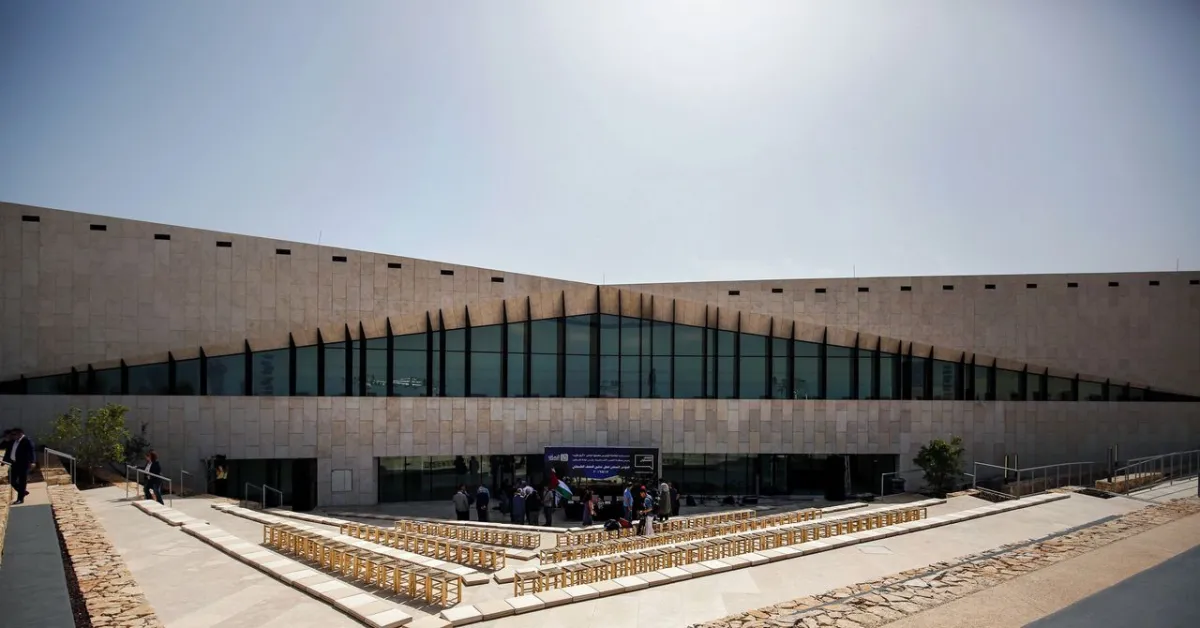
The Palestinian Museum in Birzeit acts as both a physical repository and a hub for this digital effort. While the museum building itself, designed by Heneghan Peng architects, stands as a defiant presence, its location near checkpoints makes access difficult for some Palestinians. Meanwhile, legislative efforts in Israel could further expand control over Palestinian heritage sites.
The digital archive began with collecting old photographs, letters, and documents directly from Palestinian families. This open-source platform now includes digitized photographs, identification papers, diaries, maps, films, and letters, safeguarding heritage that might otherwise be lost forever. The project is funded by diaspora donations and academic partnerships, involving extensive cataloging and research.
This initiative reflects a wider trend of communities under threat using technology to build resilient, distributed archives. Shomali views the archive as a tool for Palestinians to reclaim ownership of their history, creating a "bottom-up" narrative. To ensure its survival, multiple copies are stored globally, creating a distributed system resistant to both digital attacks and physical destruction.
The archive's impact extends beyond preservation, enabling "exhibitions in a box" that can be downloaded and staged anywhere in the world. It also serves as a vital resource for international artists and curators, allowing them to create exhibitions that bring Palestinian history and identity to new audiences. Mohammad Rabae, who oversees digitization, emphasizes that the process is about more than just creating digital images; it's about safely preserving fragile historical materials for future generations and respecting the dignity of those represented.