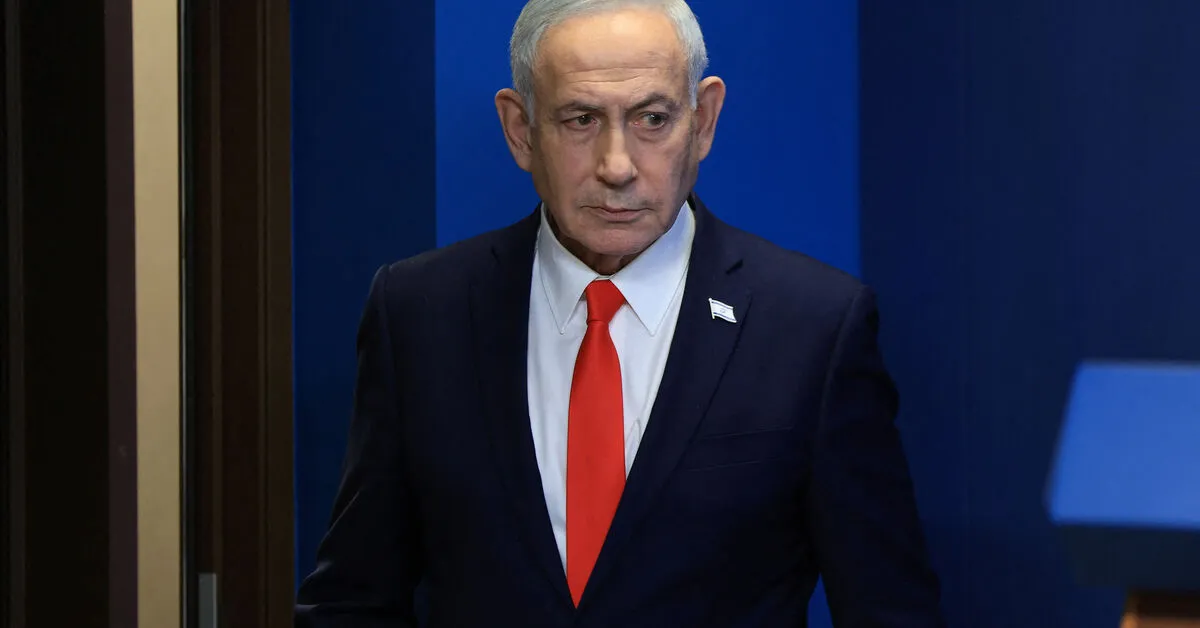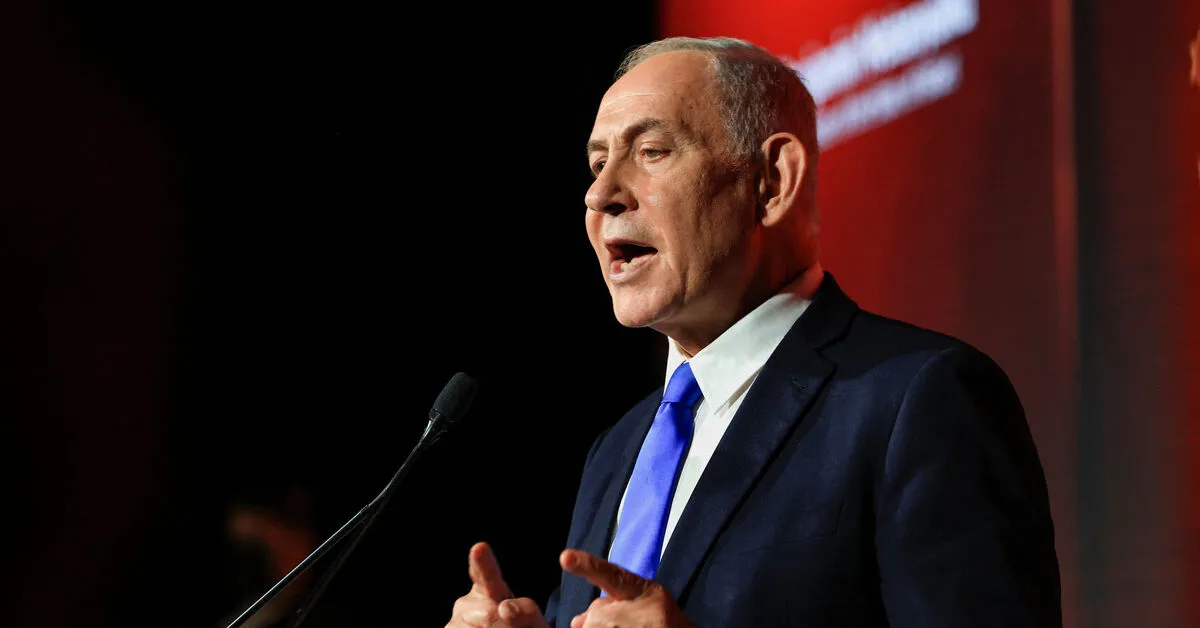
Prime Minister Benjamin Netanyahu's government has signaled its intent to defy a Supreme Court order concerning a media regulator, reigniting a contentious judicial dispute that previously destabilized Israel and resurfacing ahead of upcoming national elections.
The government's statement on Sunday characterized a June 17 Supreme Court ruling on the composition of the Second Authority for Television and Radio as an unacceptable instance of judicial overreach. Justice Minister Yariv Levin and Communications Minister Shlomo Karhi declared that the ruling would not be heeded. Levin had previously spearheaded a significant push in 2023 to curtail the Supreme Court's authority, an initiative that prompted widespread public protests and was subsequently suspended following the Hamas attacks on October 7, 2023. However, elements of this judicial overhaul plan have been revived by Netanyahu's current nationalist-religious coalition.
While the government's declaration is unlikely to have a substantial practical effect on the media regulator itself, critics contend that its broader significance lies in its perceived undermining of the rule of law and the fundamental democratic principles of the state. They also express concern that it risks escalating into a constitutional crisis by creating a direct confrontation between the executive and judicial branches. Dina Zilber, Israel's former deputy attorney general, described the development as symbolically dramatic, noting that it marked the first time the government had explicitly used its executive powers to disregard a court order, thereby delivering "a harsh blow to the rule of law and to the separation of powers."
This development occurs within a significant political context, as Israel is scheduled to hold elections by late October, with precise dates yet to be finalized. Current opinion polls suggest that Netanyahu's right-wing coalition may face electoral defeat. Ahead of these elections, the Likud party is expected to hold internal primaries, potentially incentivizing ministers to posture against the judiciary and media, institutions often framed by Netanyahu's coalition as elitist entities aligned with the left.
Prime Minister Netanyahu has not yet publicly addressed the government's declaration. His Cabinet Secretary, Yossi Fuchs, sought to downplay the rhetoric from Ministers Levin and Karhi, stating that the government's statement did not constitute a call to disobey the court but rather a strong critique and an assertion of the government's intent to pursue all legal avenues to overturn the order. Media and judicial matters are particularly sensitive for Netanyahu, who is currently facing corruption charges that he denies. Two of the three criminal cases involve allegations of regulatory favors extended to media executives. Netanyahu has consistently framed his trial as a politically motivated persecution.
Critics argue that the government's actions represent an assault on democratic institutions, potentially diverting attention from the security failures preceding the October 7 attack and the ongoing human and economic costs of the protracted conflicts in Gaza, Lebanon, and Iran. This latest move has drawn opposition from key figures including Israel's President Isaac Herzog, Opposition Head Yair Lapid, and Attorney General Gali Baharav-Miara.