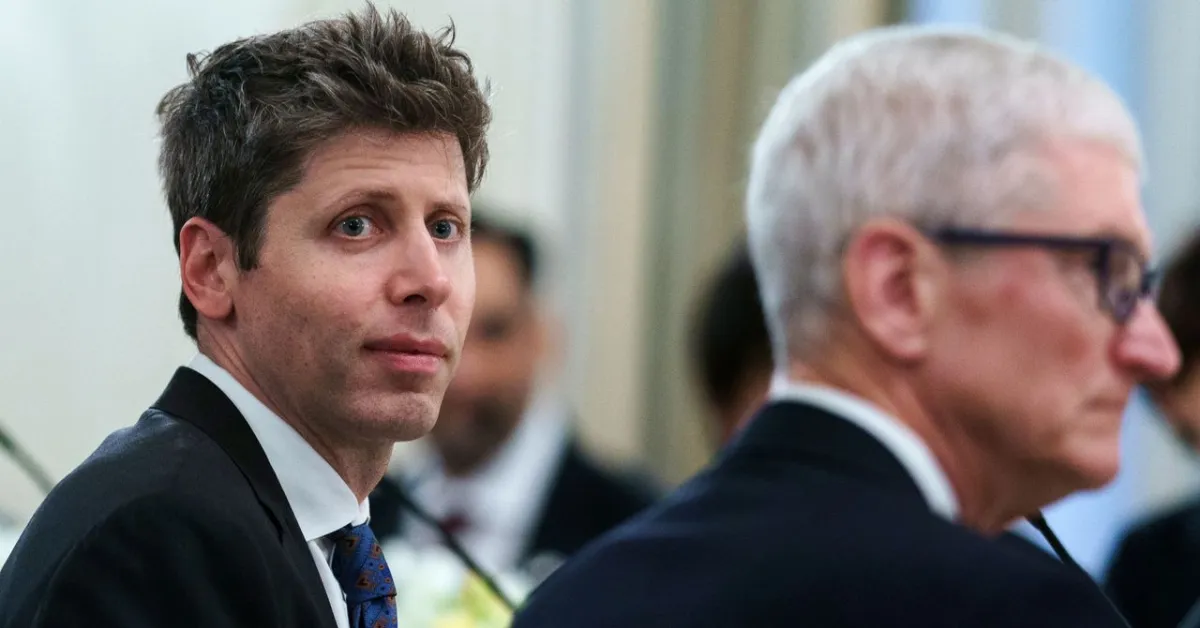
Apple has launched a lawsuit against OpenAI and its hardware chief, Tang Tan, accusing them of stealing trade secrets related to unreleased parts, prototypes, and confidential designs.
The lawsuit claims that Tan, a former 24-year Apple veteran who oversaw iPhone product design, encouraged departing Apple employees to take proprietary technology with them to OpenAI. Apple alleges Tan coached recruits on bypassing security protocols and even directed them to bring confidential Apple parts to job interviews.
Apple's legal filing states that OpenAI's hardware business is built on a "shaky foundation" due to its "illegal reliance on misappropriated trade secrets." The company suggests OpenAI is resorting to "unlawful shortcuts" under pressure to deliver its first commercial hardware product. OpenAI and Tan have not yet responded to requests for comment.
This legal battle is shaping up to be a significant intellectual property dispute in Silicon Valley, drawing parallels to a 2017 case where Waymo sued Uber for allegedly stealing hardware designs. Apple, a partner with OpenAI since 2024 for distributing ChatGPT on its devices, has reportedly been leaning more on Google's Gemini AI technology recently.
According to the lawsuit, OpenAI has hired over 400 former Apple employees, including key figures leading its consumer device development. Apple's investigation, which reportedly began after an employee failed to return a company laptop and maintained access to internal systems, uncovered downloads of confidential hardware files and evidence of coaching on how to copy proprietary information.
Apple asserts that Tan emailed himself supplier information before leaving and directed candidates to bring "actual parts" from Apple for "show and tell" sessions at OpenAI. The lawsuit also details accusations against OpenAI's io Products unit, alleging it approached Apple suppliers to replicate work, sometimes under the false impression of Apple's approval.
Apple is seeking an injunction to halt the alleged theft, along with monetary damages and the return of any stolen property and data. OpenAI has hinted at developing a "family" of AI-powered devices, though details remain scarce and product launch is reportedly not expected until at least April 2027.