A recent study has revealed that numerous checkpoints across Yemen, initially established for security purposes, have transformed into parallel financial systems that exploit trade and inflate prices for millions of citizens, with revenues financing conflict parties and consolidating their influence.
The research, conducted by Yemeni researcher Ibrahim Al-Jalali and titled "Roadblocks and Revenues," meticulously documents how these checkpoints have become instruments for illicit collection and war financing. The study found that trucks carrying essential goods like fuel, food, and medicine are forced to pass through dozens of checkpoints on major roads, paying repeated fees and levies to various military, security, tribal, and armed factions. This significantly increases transportation costs, which are ultimately passed on to consumers.
The study, based on 32 interviews with truck drivers, traders, security officials, and civil society representatives, provides a detailed economic analysis of these checkpoints. It specifically focused on the vital corridor connecting Abyan, Aden, Lahj, Dhale'e, and Dhamar, a key artery linking southern ports to markets in central and northern governorates. This route operates under two distinct checkpoint management systems, both resulting in the depletion of trade and increased living costs for residents.
In government-controlled areas, the study identified a pervasive presence of checkpoints with overlapping authorities. Military and security bodies impose cumulative fees lacking coordination and oversight, fostering an environment ripe for arbitrary collection and financial extortion. Some field commanders have reportedly established their own checkpoints to generate independent income for armed groups.
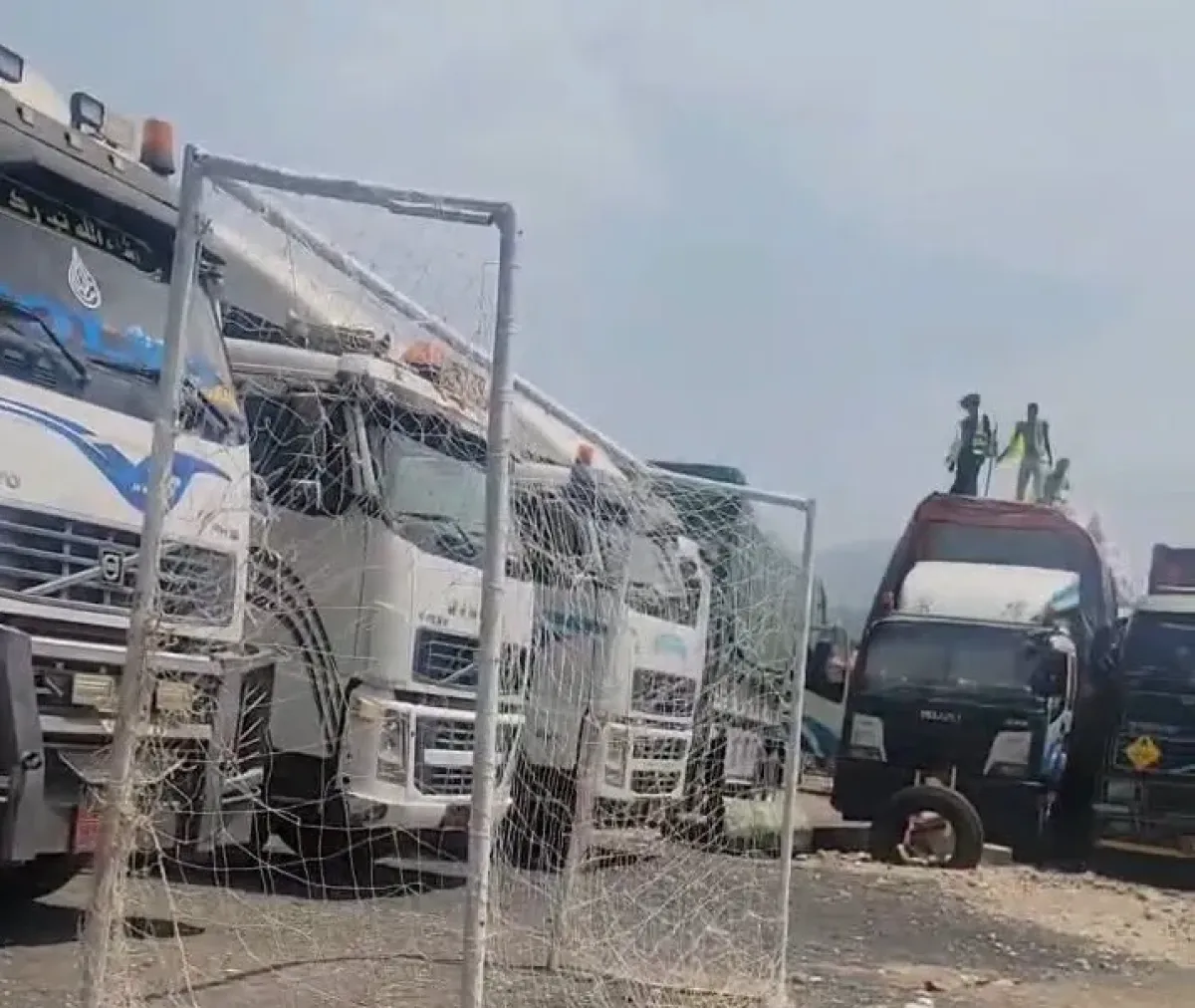
According to testimonies from truck drivers cited in the study, a single truck can pass through over 45 checkpoints between Abyan and Dhale'e, incurring costs ranging from 900,000 to three million Yemeni Rials per trip, depending on the cargo. These expenses are directly reflected in the prices of basic commodities borne by citizens.
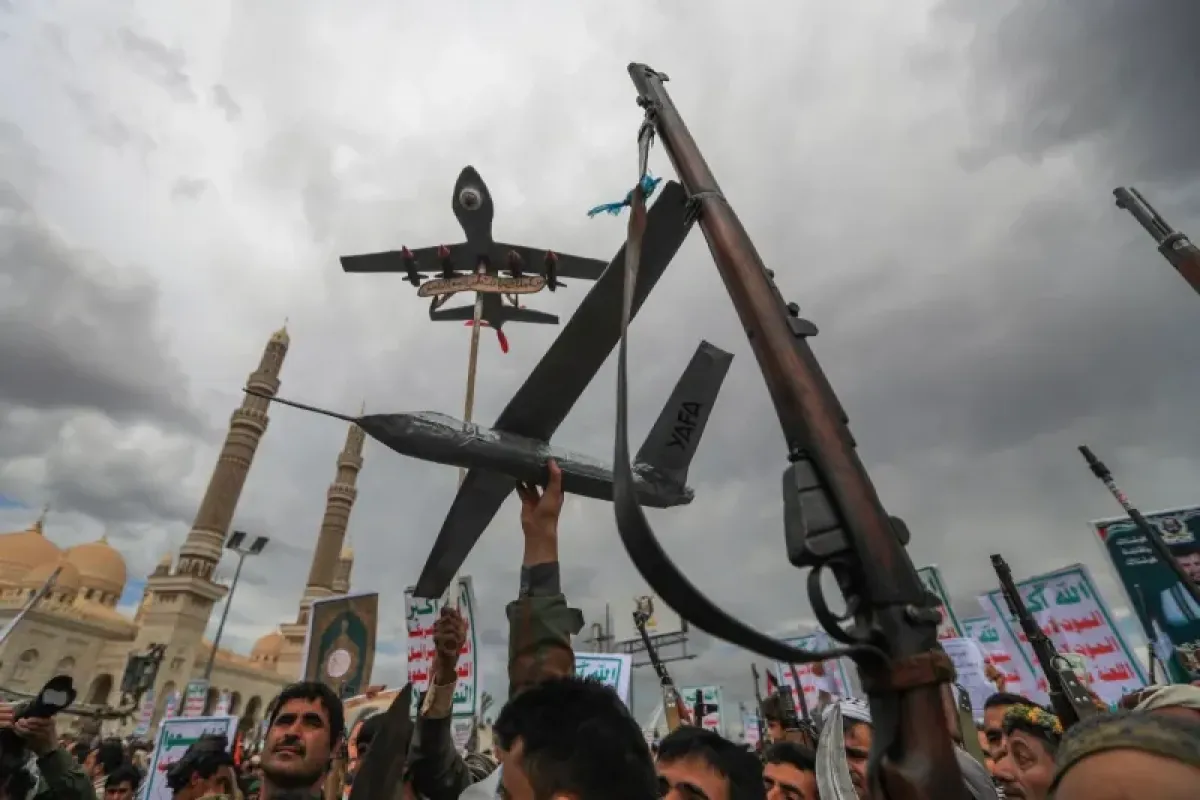
Conversely, the Houthi group has implemented a more centralized and digitized system in areas under its control. This system functions as a parallel state tax and customs authority, utilizing electronic systems and unified administrative chains to direct revenues toward funding their war efforts. Since 2021, the group has adopted barcode and electronic payment systems, granting them greater control over collection and imposing double charges on goods that have already been taxed at government-controlled ports.
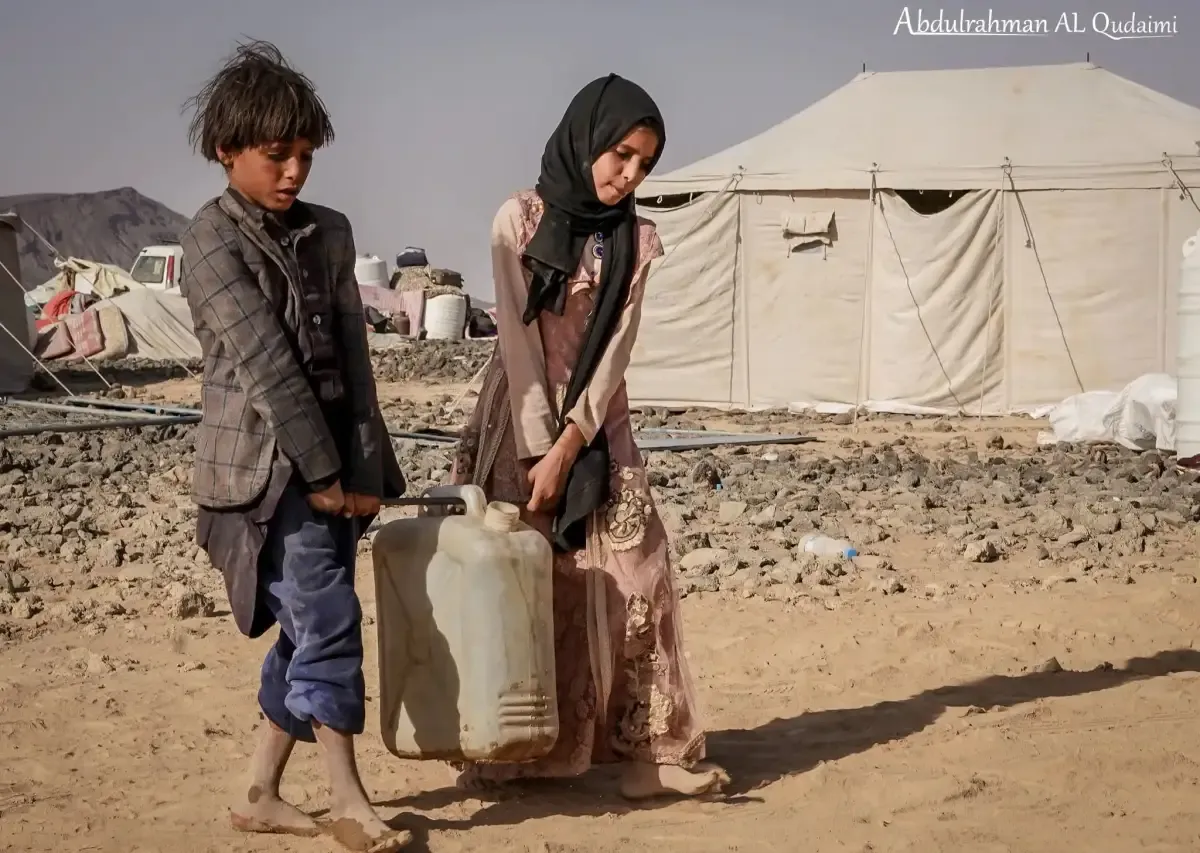
The paper emphasizes that while the collection mechanisms differ, the outcome remains the same: the economy becomes a constant source of war funding. Traders face repeated taxes and fees, while citizens bear the burden through escalating prices for food, fuel, and medicine. The Houthis also reportedly use checkpoints to reshape supply chains and control markets by imposing additional fees, blocking certain goods, or forcing traders to use specific routes, thereby strengthening their economic grip alongside their security control.
United Nations experts previously estimated that the Houthi group controls approximately 70% of Yemen's total tax and customs revenues, despite controlling only a portion of the country's territory, with a significant portion of these resources allocated to financing the war and patronage networks. The impact of these systems extends beyond trade, affecting humanitarian efforts. The study warns that international organizations and humanitarian agencies have not adequately considered the dynamics of these checkpoints when designing relief and peacebuilding programs, leading to financial and human losses and diminishing the effectiveness of aid delivery.
The study urges the Yemeni government and its international partners to review revenue laws exploited for illicit collection, limit the discretionary powers of checkpoints, standardize inter-governorate transport procedures, and activate oversight and accountability mechanisms. These steps are deemed essential to alleviate burdens on citizens and the private sector and to curb the use of the economy in perpetuating the conflict.
This research is part of the TRACE project, which studies trade, rent, and power in checkpoint economies in conflict-affected areas. The project is funded by the UK's Foreign, Commonwealth & Development Office and the XCEPT program and published within the "Roadblocks and Revenues" paper series by the Danish Institute for International Studies, the International Centre for Tax and Development, and the Centre for Armed Groups.