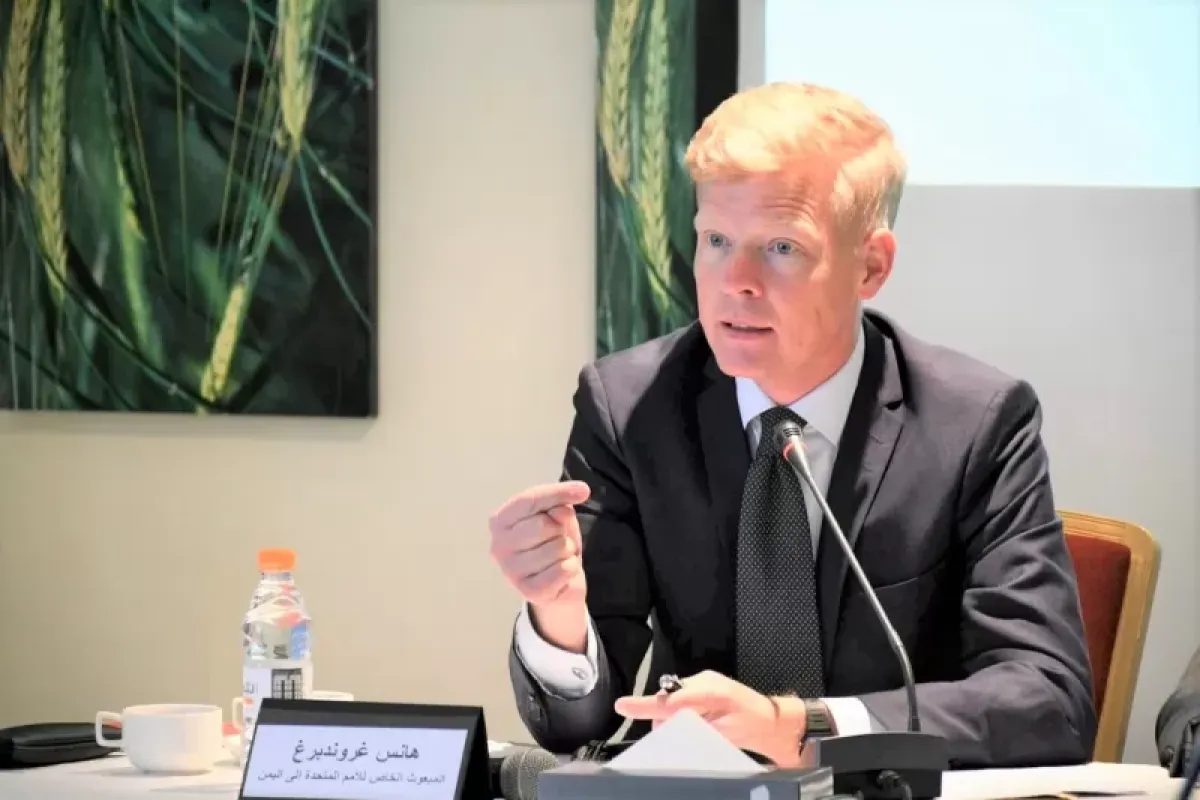
UN Special Envoy Hans Grundberg has reported renewed commitment from both the Yemeni government and Houthi rebels to a deal involving the exchange of over 1,600 detainees. However, the situation on the ground reveals persistent setbacks in implementing the agreement, with both sides trading blame for its last-minute failure.
Grundberg stated that the Yemeni government and the Houthis reaffirmed their commitment to the full implementation of the May 2026 agreement, which facilitates the release of more than 1,600 conflict-related detainees. He urged both parties to expedite the remaining technical and operational arrangements to allow the deal to proceed.
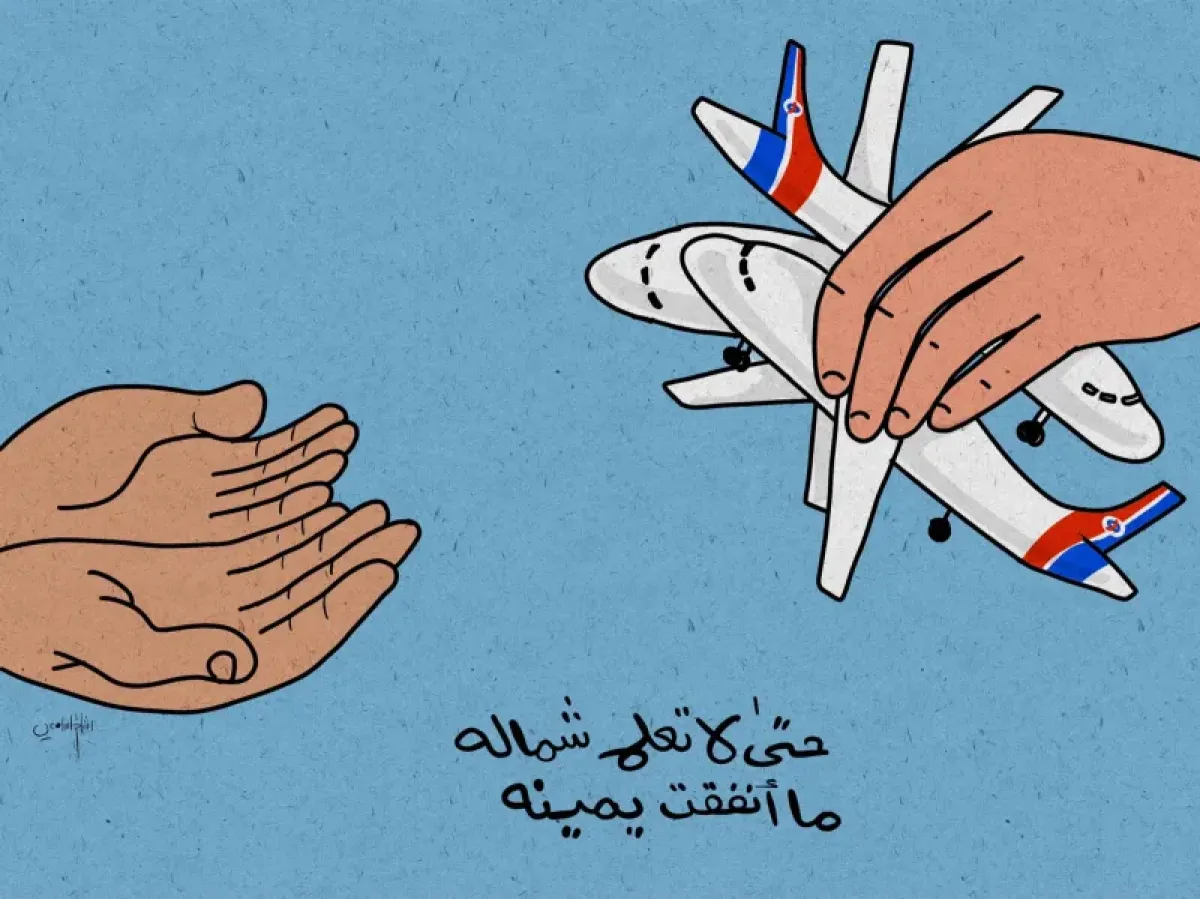
Despite these assurances, the initial phase of the exchange, scheduled for Saturday under the auspices of the United Nations and the International Committee of the Red Cross (ICRC), collapsed hours before its commencement. This has returned the issue to square one, highlighting the fragility of humanitarian understandings between the parties and raising questions about the efficacy of repeated pledges without binding implementation mechanisms.
Hadi Heig, head of the government's negotiating team for prisoners, confirmed that the government had completed all necessary procedures. However, they were notified by the ICRC and the UN envoy's office that the Houthi militia refused to proceed with the exchange on the scheduled date, postponing it indefinitely. Heig attributed full responsibility for the failure to the Houthis, accusing them of exploiting the detainee issue for political, military, and economic gains, disregarding the suffering of thousands of Yemeni families awaiting their relatives' return.
Conversely, the Houthi group denied responsibility, with Abdul Qadir al-Murtdha, head of their prisoner affairs committee, accusing the government of procrastination and failing to meet its commitments. He claimed the group was ready to implement the agreement as scheduled, but the government rejected the inclusion of additional detainees. This breakdown occurs at a time when prisoner exchanges have been one of the few areas showing relative progress during the war, representing the sole humanitarian track where UN and regional mediation efforts have achieved limited breakthroughs compared to stalled political and military files.
The collapse of the current round reflects escalating tensions between the parties, coinciding with a decline in the momentum of the political process, heightened military and media rhetoric, and the Houthis' return to a policy of escalation and threats. This situation casts a shadow over various confidence-building measures. Furthermore, the repeated failure of prisoner exchange agreements underscores the ongoing use of this issue as a bargaining chip by the Houthi group, which views it not as a humanitarian entitlement to alleviate the suffering of thousands of families, but as a means to achieve political and media gains. This approach has led to the obstruction of numerous initiatives in recent years, despite UN and international patronage.
The parties had previously signed an agreement in Amman, Jordan, on May 14th, stipulating the release of approximately 1,700 detainees from both sides. This followed three months of consultations, raising hopes that the agreement would serve as a step toward strengthening confidence-building measures. The ICRC reiterated its readiness to facilitate the transfer and repatriation of detainees as a neutral mediator, urging all parties to finalize the necessary arrangements for the swift completion of this humanitarian operation, allowing hundreds of families to be reunited.
However, the continued deadlock, despite renewed public commitments, heightens concerns that the detainee issue remains hostage to political and military calculations. This is exacerbated by the absence of genuine guarantees obligating the parties, particularly the Houthis, to implement agreements reached, moving away from the policy of postponement and bargaining that has characterized this file for years.