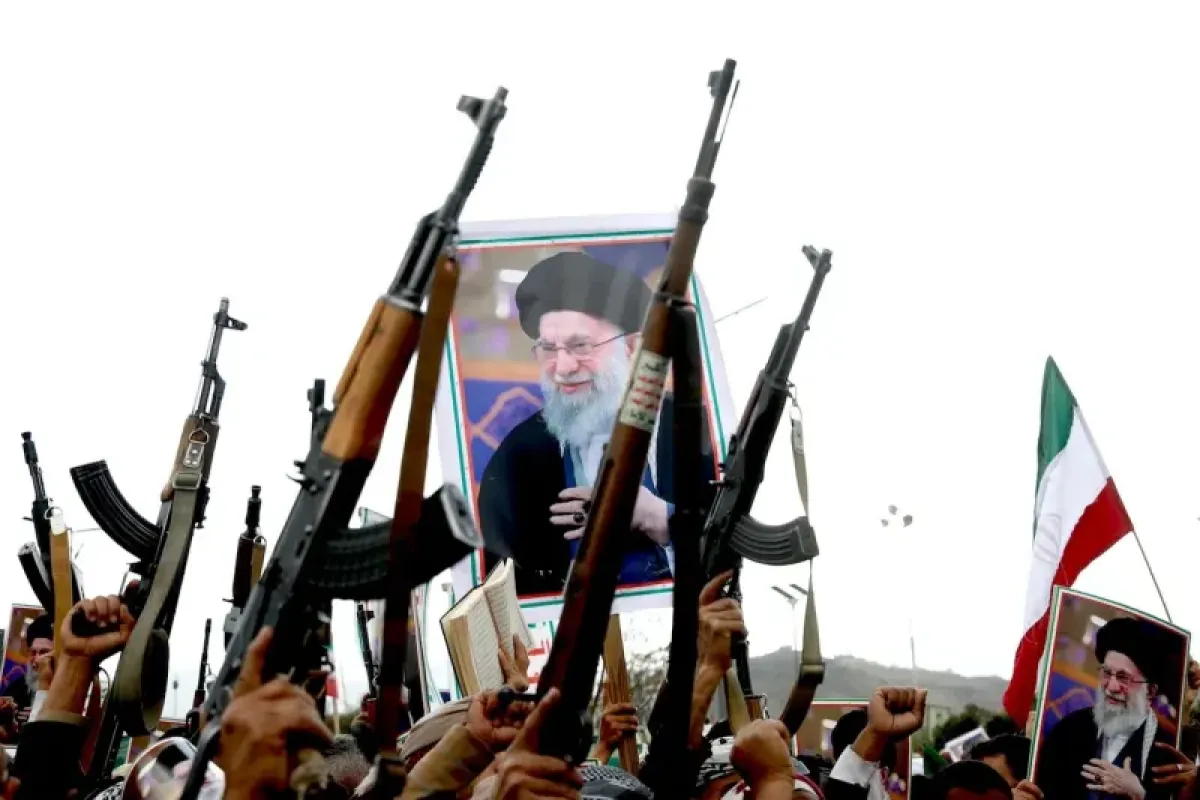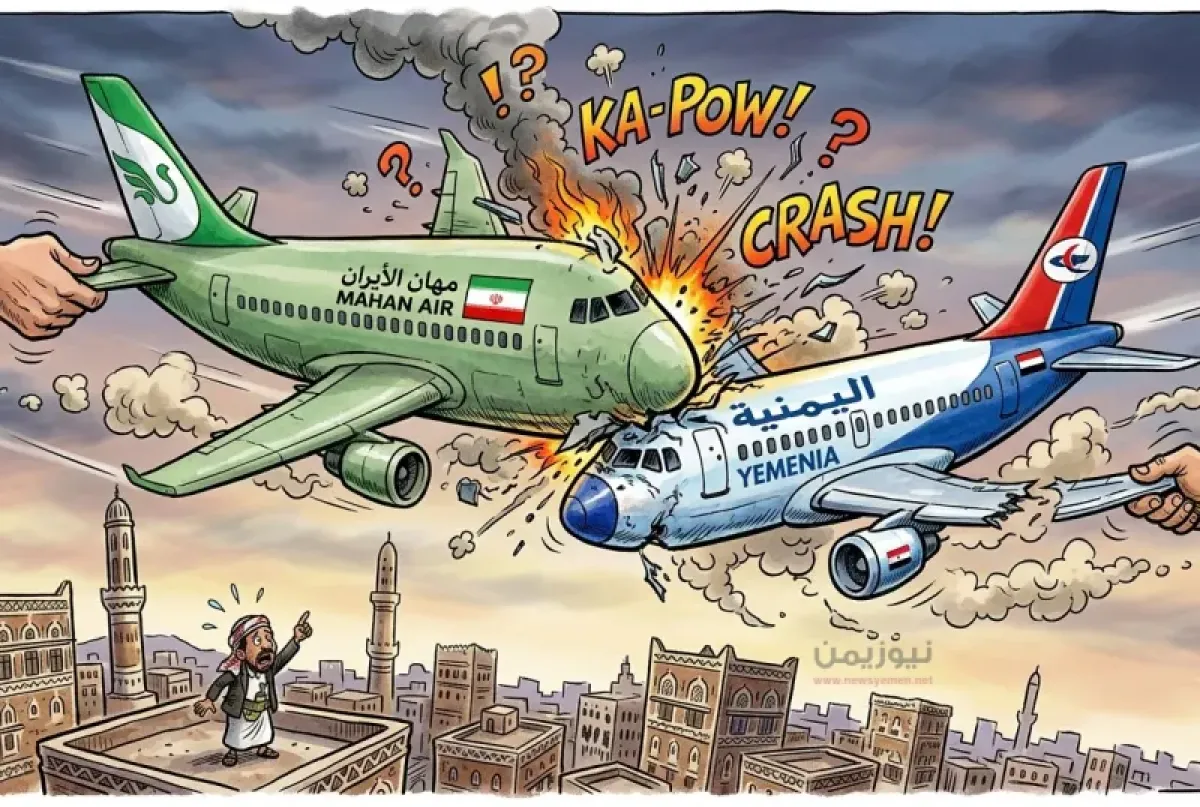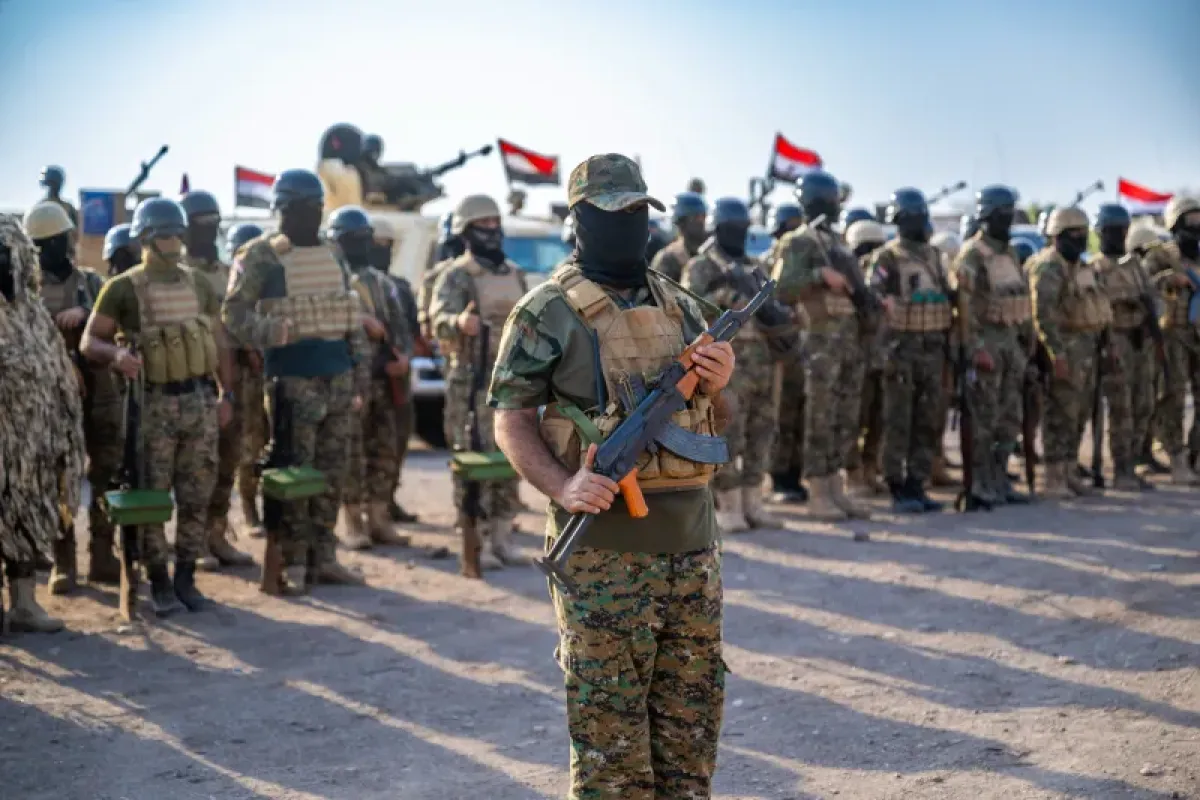
Intelligence units of the National Resistance have achieved significant security breakthroughs, successfully thwarting assassination plots, dismantling spy cells, and intercepting weapon smuggling networks linked to Iran. These preemptive operations underscore an escalating intelligence confrontation aimed at protecting liberated Yemeni governorates from infiltration and destabilization.
In recent operations, the National Resistance's intelligence department, in coordination with Red Sea coast guard forces and other official security agencies, has uncovered and foiled numerous Houthi activities targeting liberated areas. This includes the seizure of Iranian arms shipments destined for the Houthi militia and the apprehension of intelligence cells established by the group in the West Coast directorates and other provinces. These cells were reportedly tasked with gathering information and monitoring the movements of military, political, and media figures for potential hostile actions.
Among the notable successes was the announcement of the arrest of individuals belonging to a Houthi cell implicated in the assassination of Brigadier General Yahya Waish, commander of the First Infantry Division in Al-Khawkhah city, south of Hodeidah. Furthermore, a plot to lure and assassinate Brigadier General Salah Al-Salahi, former commander of the so-called Al-Samad Brigade, after his defection from the Houthis to join the joint forces, was uncovered.
Initial investigations, conducted in coordination with the State Security apparatus in Aden, have revealed the cell's involvement in the assassination of journalist Mohammed Ayda in Mukalla and the planning of an assassination attempt against Brigadier General Al-Salahi at a hotel in Aden. Observers view these operations as a substantial blow to the Houthi militia, exposing their reliance on clandestine networks for operations beyond their controlled territories and their use of sleeper cells for intelligence gathering and targeting opponents.
Recent developments indicate that the confrontation between the National Resistance and the Houthis has extended beyond military frontlines into a complex intelligence war. While the militia attempts to infiltrate liberated areas through covert networks, the National Resistance's intelligence services are focused on surveillance, monitoring, and early disruption. Analysts highlight that the successes achieved by the National Resistance's intelligence, under the leadership of Lieutenant General Ahmed Saleh, have significantly thwarted Houthi plans and prevented attempts to penetrate the West Coast and other liberated regions.
These security successes are occurring concurrently with ongoing military engagements. The National Resistance forces continue to repel Houthi attacks on various fronts, foiling attempts at territorial breaches. The militia recently suffered significant casualties and equipment losses during an assault on Resistance positions in the strategic Jabal Dibbas front, north of Hays city, forcing a retreat. The current field data suggests the militia is facing difficulties in recovering its fallen fighters amidst sustained military pressure from the National Resistance forces.
Commentators emphasize that the West Coast has become a model for the resurgence of institutional intelligence work, with the National Resistance's intelligence division being among the first to coordinate with the State Security agency. This reactivation of intelligence capabilities is crucial for safeguarding public security and countering infiltrations exploited by armed groups to sow chaos in liberated areas. The intelligence operations have extended to tracking and intercepting Iranian arms shipments in the Red Sea through joint coordination with coast guard and state agencies, underscoring the importance of integrated efforts among security and military institutions.
The consecutive successes of the National Resistance's intelligence are seen as continuous setbacks for the Houthi militia, which is increasingly facing difficulties in executing its plans within liberated territories. The group's operational space for smuggling and cell recruitment has been significantly curtailed due to enhanced surveillance and monitoring. The dismantling of the cell responsible for journalist Mohammed Ayda's assassination and the thwarting of subsequent plots demonstrate the extent of the security breach the militia has suffered. Additionally, the Houthis are facing field challenges on the West Coast fronts, with repeated failed attempts to advance toward strategic locations and significant losses incurred in fierce clashes with National Resistance forces.
These developments highlight the escalating importance of the security and intelligence battle in the Yemeni conflict. Countering Houthi networks, supply lines, and clandestine cells has become a vital component of protecting liberated areas. Concurrently, the militia persists in employing its military and intelligence tools to perpetuate instability and threaten local and regional security.