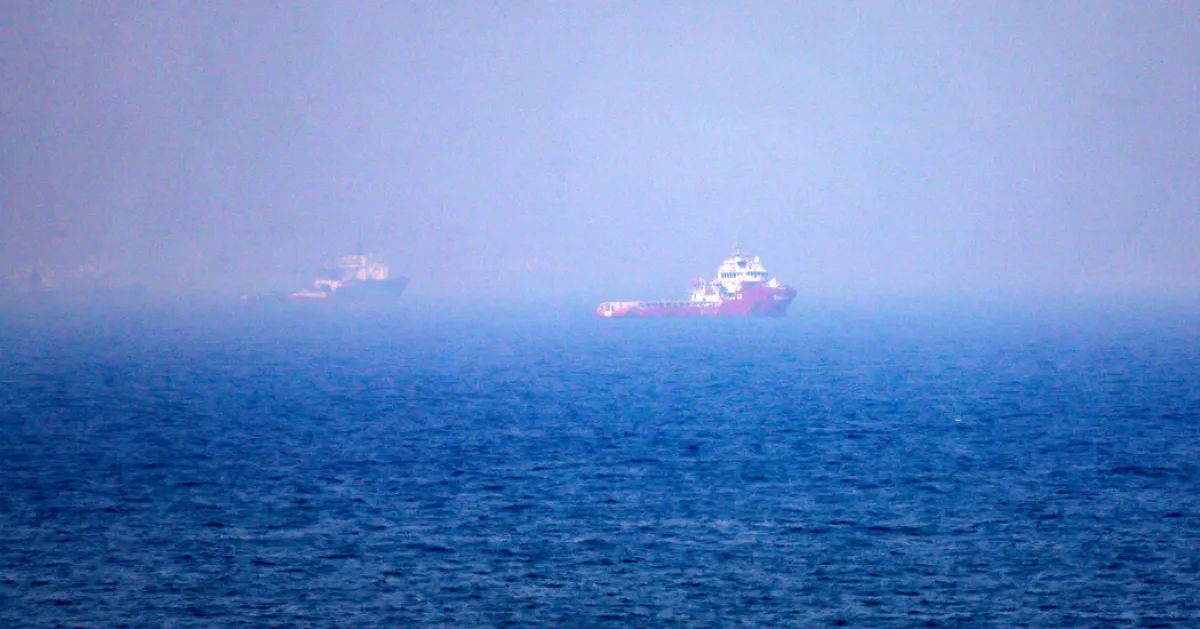
President Trump's recent assertion that the United States will impose fees on shipping through the Strait of Hormuz directly conflicts with statements made by his senior advisors over recent weeks, who have maintained that no nation has the right to charge for passage through this critical international waterway.
Speaking to Fox News on Monday, President Trump stated that America "was going to get paid for guarding" the strait and would be "reimbursed, at the rate of 20 percent," for all cargo transiting the waters. This is not the first time President Trump has suggested the U.S. should collect tolls in the strait, which has long been recognized as an international waterway.
The President and his aides have not clarified how his position aligns with repeated, contradictory public statements from officials such as Secretary of State Marco Rubio, who also serves as Mr. Trump's White House national security advisor. During a visit to the Middle East in late June, Mr. Rubio articulated that "No country is allowed to charge tolls or fees on an international waterway. That’s existing international law. That’s the way it is in international waterways all over the world, and that’s the way we expect it’ll be here."
Mr. Rubio's remarks were made prior to a meeting with the Gulf Cooperation Council, a bloc of oil-producing Arab nations. Following this meeting, the United States joined in a joint statement that declared the participating nations "rejected any tolls, fees or attempts to assert control over the strait."
Vice President JD Vance echoed this sentiment on June 18 during discussions concerning a potential ceasefire agreement between the United States and Iran, which aimed to ensure the waterway's reopening. At a news conference, Vance stated, "We believe international waterways should be free of tolls."