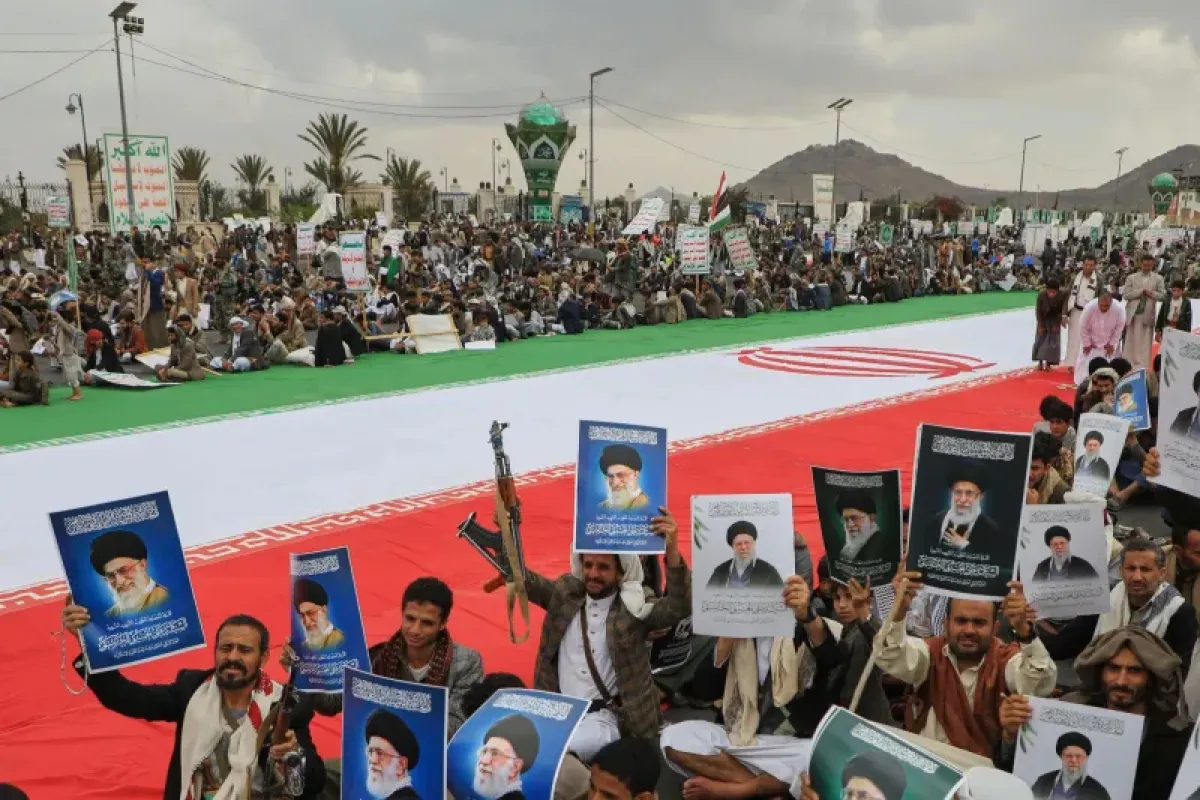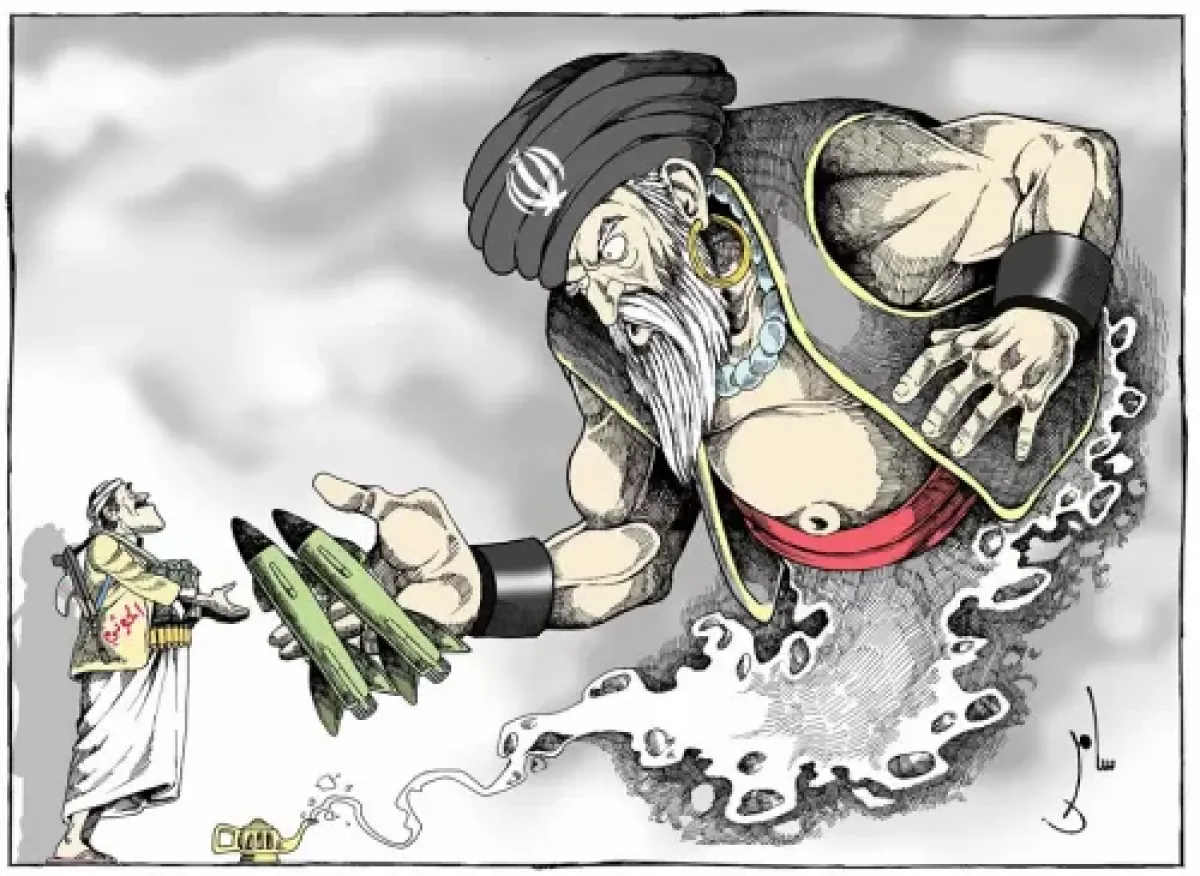
An analyst suggests Iran is leveraging the Houthi militia to mitigate pressure from escalating regional conflicts, evidenced by recent Houthi military actions against Saudi Arabia. This development marks a significant shift, effectively ending a period of de-escalation that began in 2022 and potentially re-engaging Yemen in broader geopolitical confrontations.
The analysis, published by the London-based newspaper Al-Arab, posits that the Houthi missile launches targeting Saudi Arabia are not isolated incidents but rather part of a wider Iranian strategy. This strategy reportedly involves utilizing its regional proxies to broaden tensions amid increasing military and economic pressures on Iran from the United States.
According to the report, the Iran-aligned Houthi group has concluded its phase of de-escalation, which had maintained a degree of calm in Yemen over recent years. This shift aims to reinsert Yemen into a cycle of military confrontation, serving regional interests that extend beyond the Yemeni conflict itself.
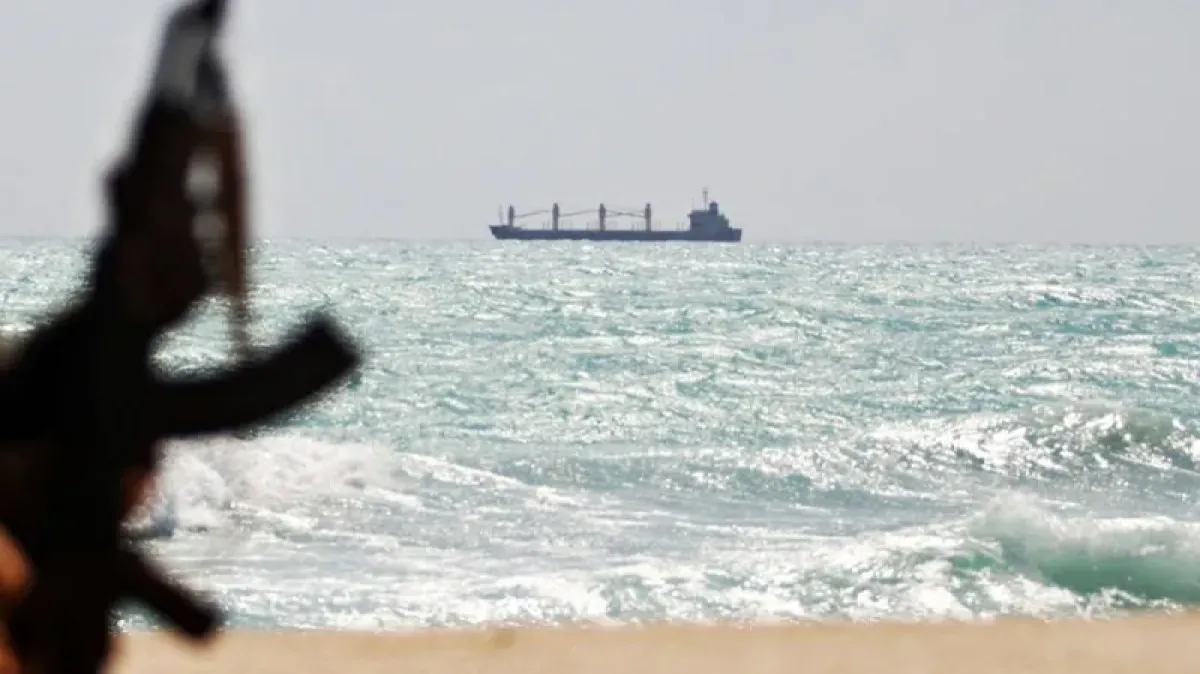
A critical concern highlighted by the newspaper is Iran's potential to use the Houthis as leverage against international shipping. This could involve threatening or attempting to close the Bab al-Mandab Strait, particularly as the United States intensifies its naval and military pressure on Tehran and potentially reinstates maritime sanctions on Iranian ports.
The analysis cites comments from Hossein Shariatmadari, a representative of Iran's Supreme Leader, who openly advocated for closing the Bab al-Mandab alongside the Strait of Hormuz. Shariatmadari reportedly argued that the time has come to expand pressure on Iran's adversaries through these vital global maritime routes. The newspaper warns that such actions would escalate the confrontation to a more dangerous level, threatening a critical global trade and energy corridor and drawing Yemen into a costly regional and international conflict.
This assessment follows the Houthis' claim of a missile attack on Abha International Airport in southern Saudi Arabia, their first claimed attack against the Kingdom since the UN-brokered truce began in March 2022. The Houthis justified the operation as retaliation for an alleged targeting of Sanaa airport. In response, the Saudi-led coalition announced its air defenses intercepted ballistic missiles launched by the group towards the southern region, signaling a return to direct military confrontations after a period of relative calm.
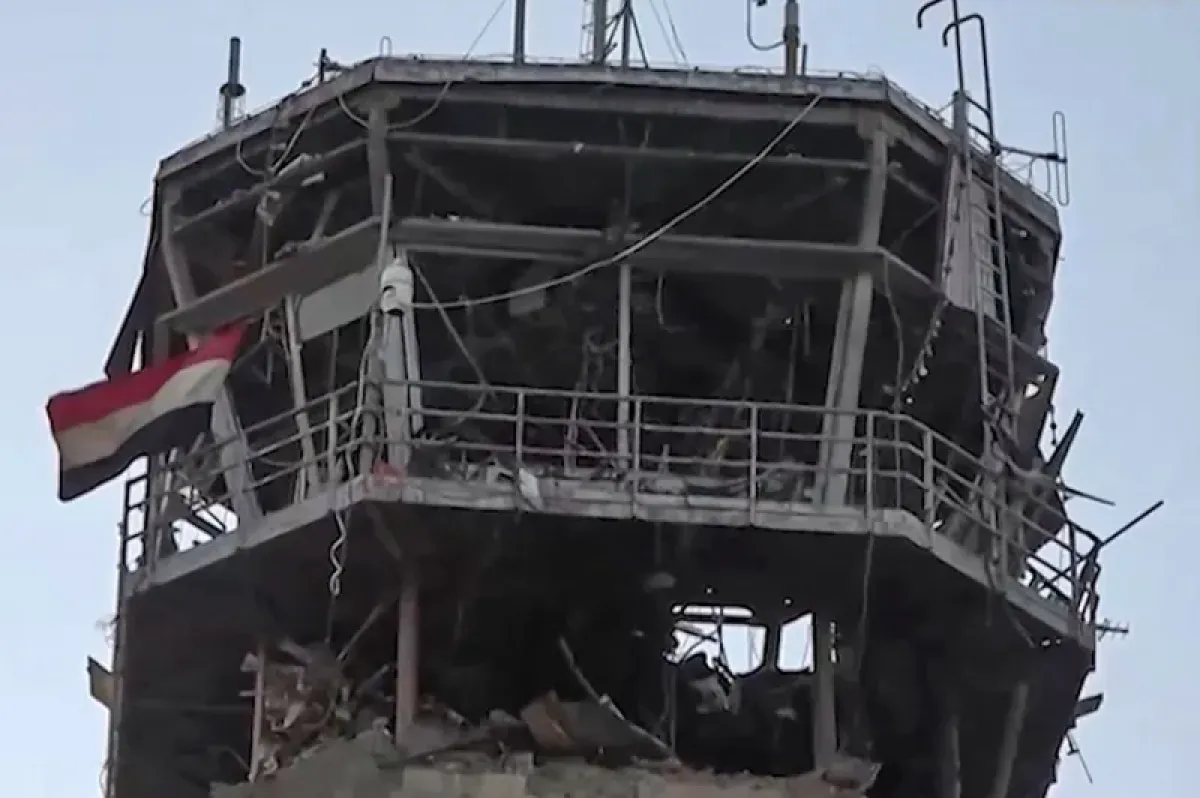
The newspaper also linked this escalation to recent events involving an Iranian aircraft attempting to land at Sanaa airport outside government-approved procedures. This incident prompted Yemeni government forces to target the runway to prevent the landing, leading the aircraft to divert to Hodeidah airport, which is under Houthi control. These events, according to the report, reflect Iran's determination to solidify its influence in Houthi-controlled areas and use them as a platform to enhance its regional presence amidst rising tensions with the United States in the Gulf and the Strait of Hormuz.
The analysis cautions that renewed Houthi attacks on Saudi Arabia, coupled with threats to maritime navigation in the Red Sea, could significantly alter the region's security landscape. While Saudi Arabia has mitigated the threat from the Strait of Hormuz through oil pipelines to the Red Sea coast, any Houthi escalation in the Bab al-Mandab would present new challenges to these alternatives.
Furthermore, the collapse of a prisoner exchange deal between the Yemeni government and the Houthis, along with ongoing mutual accusations, are seen as additional indicators of receding prospects for de-escalation and widening trust deficits. This situation heightens concerns about Yemen potentially slipping back into a new cycle of violence.
Al-Arab concludes that the Houthi escalation is not merely a local development but a clear indication of the group's continued adherence to Iran's agenda. Yemen, it suggests, is being used as a strategic reserve card whenever Tehran faces military or political pressure, threatening to derail any remaining peace prospects and pushing the country towards a new conflict where local calculations intertwine with regional and international rivalries.