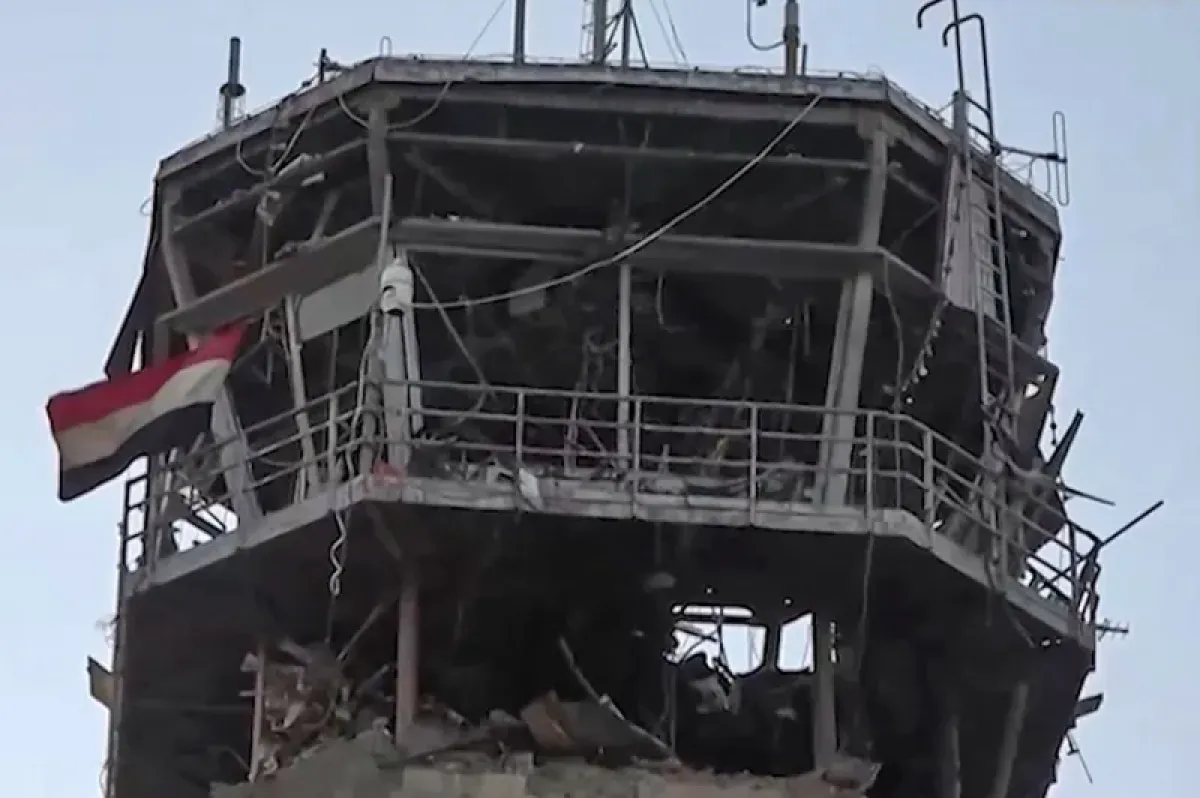
The Houthi militia is portraying the landing of an Iranian aircraft at Hodeidah Airport, which has been non-operational for 11 years, as a strategic triumph in their ongoing escalation against Saudi Arabia and the internationally recognized Yemeni government.
The militia's media outlets extensively covered the aircraft's landing, dubbing it a "scene of breaking the siege" and referring to the Iranian plane as the "siege-breaking aircraft." This emphasis on breaching a blockade is central to the Houthi's narrative of victory, particularly following their initiation of an escalation campaign at the beginning of the month. The campaign was reportedly launched against the government and Saudi Arabia with the landing of the Iranian aircraft at Sana'a Airport to transport a Houthi delegation to Tehran.
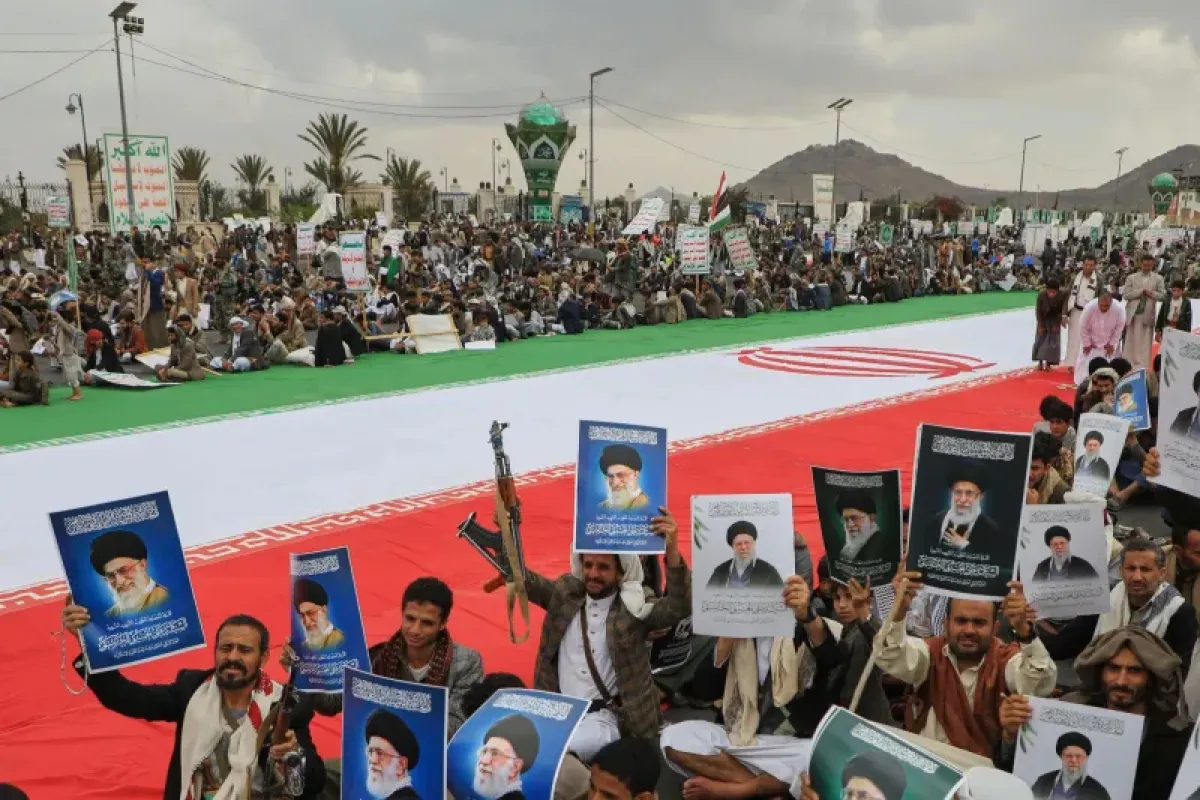
The Houthi delegation traveled to Iran to participate in the funeral of Iranian Supreme Leader Ali Khamenei, who passed away in late February. Despite the significant loss to the Iranian regime and its four-month delay in holding the funeral, along with the ambiguity surrounding the succession of his son Mojtaba, the regime and its propaganda apparatus have maintained confidence in claiming victories against the United States and Israel. This pattern of reframing defeats as triumphs is being emulated by the regime's regional proxies, including the Houthi militia, as demonstrated by their characterization of the Iranian aircraft's emergency landing in Hodeidah, following an alleged attack on Sana'a Airport, as a success.
The militia perceives this as a victory in facilitating their delegation's return via the Iranian aircraft, which they interpret as "breaking the siege" they claim is imposed by Saudi Arabia and the legitimate government on areas under their control. However, the reality contradicts this assertion. The return of the Houthi delegation was not outright rejected by the government or Saudi Arabia; the Presidential Leadership Council had previously offered, the previous Friday, for the delegation to return to Sana'a Airport via a Yemenia Airways chartered flight.
The Houthi's consistent claims of a siege on Sana'a Airport and other controlled airports over the past years are inaccurate. The cessation of operations at these airports is due to their continued control by an internationally unrecognized authority since the conflict began in 2015. This status prevents flights to and from these airports outside the supervision of the legitimate government and the Saudi-led coalition. Sana'a Airport only resumed limited operations, solely to Jordan, following the UN-brokered truce in April 2022.
This fact was underscored when the Houthi militia, in mid-2024, seized three Yemenia Airways aircraft at Sana'a Airport. Despite holding these aircraft for a year, they failed to initiate any new routes, and instead caused the airport's services to halt by suspending flights to its sole destination, Jordan. This failure persisted even after UN Special Envoy Hans Grundberg's July 2025 de-escalation agreement, which included the resumption of flights to Jordan via Sana'a. The agreement stipulated daily flights to Cairo and India, but Egyptian and Indian authorities refused to operate flights from an airport controlled by an unrecognized militia.
The experience of this agreement starkly reveals that the militia's claims of a "siege" on Sana'a Airport stem from a lack of international recognition, which impedes the resumption of operations at airports under their control, unlike those in liberated areas. Consequently, the only flights the militia can successfully facilitate are with Iran, the sole entity that recognizes its authority. These flights serve the specific objectives of the Iranian regime and the militia, rather than benefiting the Yemeni population under their control.