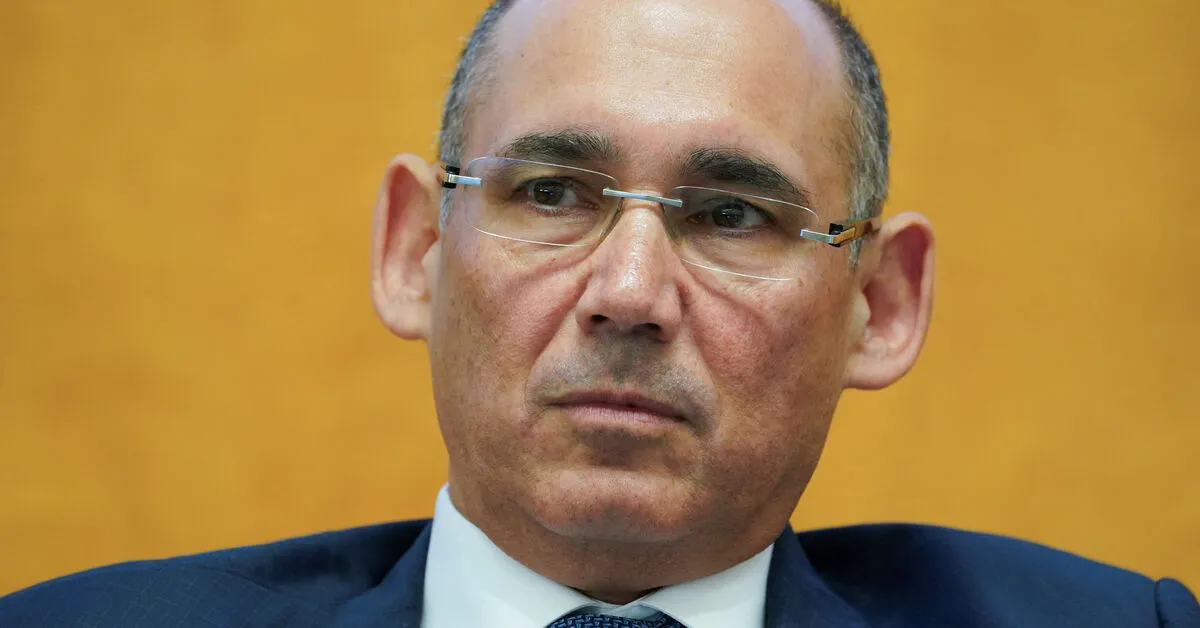
The Governor of the Bank of Israel, Amir Yaron, has stated that the incoming Israeli government, following the upcoming general election, must prioritize controlling the nation's rising debt burden, which has been exacerbated by increased defense spending. He emphasized the need to reallocate resources towards investments in education and infrastructure to foster economic growth.
Speaking at a conference, Yaron identified fiscal policy as the primary challenge, noting that the defense budget has significantly expanded, reaching approximately 8% of the gross domestic product, a substantial increase from its pre-October 7, 2023 level. He cautioned that the current trajectory indicates a continued rise in the debt-to-GDP ratio, which has already climbed to 70% from around 60% in 2023.
Yaron outlined three key priorities for the next administration: halting the increase in national debt, managing the elevated defense budget, and investing in growth drivers such as education and infrastructure. He also highlighted the importance of greater integration of segments of the population, specifically ultra-Orthodox Jews, into the labor market.
Given the ongoing regional security threats, defense spending is anticipated to remain elevated. In this context, Yaron suggested that tax increases may be necessary to maintain fiscal stability and control debt levels. He acknowledged that the defense budget will likely exceed pre-war figures.
In parallel, the Bank of Israel recently lowered its benchmark interest rate to 3.5%, citing easing inflation pressures linked to the conflicts in Gaza and Iran. Yaron indicated that interest rates could continue to decrease, provided the country avoids further escalation of conflict and inflation remains stable. However, he stressed the need for continued caution in monetary policy due to persistent price pressures in sectors like wages and rental housing.
Furthermore, Yaron commented on the economic resilience demonstrated by Israel, but pointed out that negative global sentiment towards the country acts as a de facto tax on trade, potentially influencing long-term economic decision-making.