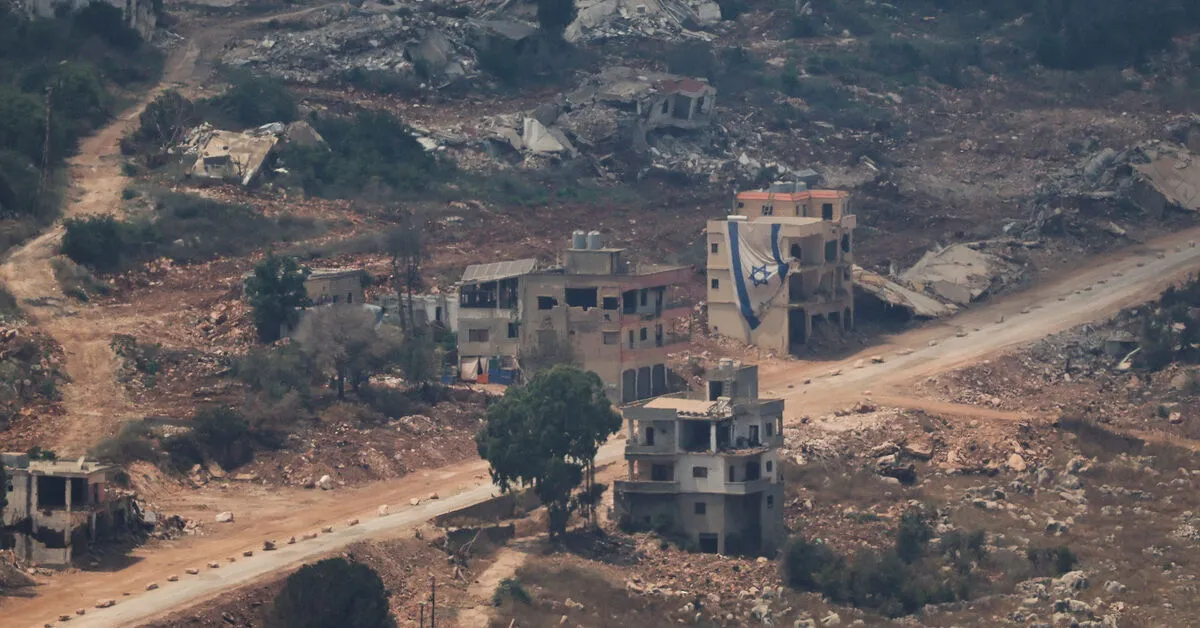
Some Israeli military veterans who served in Lebanon during previous occupations view the newly established "buffer zone" in southern Lebanon with apprehension, likening it to a repeat of past strategies they believe proved ineffective and costly.
Gil Shely, who served in the "security strip" in the late 1980s, expressed disillusionment with the justifications provided for military presence. "Looking back, it was all fairy tales," he stated, reflecting on the assertion that his service was protecting Israel's north. Israel withdrew from that strip in 2000, but its troops have since re-occupied a section of southern Lebanon approximately 10 kilometers deep, a move aimed at deterring Hezbollah attacks.
The current operation follows a strategic shift in Israeli policy after the October 7th Hamas attack, leading to similar buffer zones established in Gaza and Syria. For veterans like Shely, the renewed conflict evokes profound distress. "When I hear news that a soldier has been killed there, I am crushed. My heart screams out for the unnecessary sacrifice," Shely commented, noting his concern as his youngest son is nearing military enlistment.
Veterans from the 1990s recall arduous routines in southern Lebanon, involving mine clearing, ambushes, and confrontations with fighters who utilized the occupation to refine guerrilla tactics. Erez, who served in the 1990s and requested anonymity, shared his sorrow: "I lost many friends in Lebanon." The fact that his son is now deployed in the same region adds to his anxiety, stating, "We hoped we would never have to go back."
Prime Minister Benjamin Netanyahu has promoted the buffer zone as a significant security achievement, asserting it prevents Hezbollah from establishing a foothold on Israel's border. However, reservists returning to duty after serving before the 2000 withdrawal express alarm at Hezbollah's current arsenal and infrastructure, questioning the clarity and ultimate purpose of the ongoing military actions. "What's the purpose? What are you doing it for? You're fighting, risking yourself, it's not clear, they don't make it clear to the soldiers. It's vague and frustrating," one reservist noted anonymously.
The sentiment echoes that of the "Four Mothers – Leave Lebanon in Peace" movement, which successfully campaigned for Israel's withdrawal in 2000. Rachel Madpis Ben-Dor, a founder of the group, lamented the current situation, stating, "Then — our children, and now our grandchildren. We are making the same mistake now." While acknowledging the need for border security, she emphasized a desire for peace and the cessation of village destruction. Meanwhile, officials like Benny Gantz, a former defense chief, argue for a combined approach of military action, security measures, and diplomacy, suggesting that Israel has no alternative but to create a buffer while pursuing a diplomatic resolution.