Iran announced fresh strikes on United States facilities in the Middle East on Friday, including its first direct attack in Syria, following a sixth consecutive night of U.S. military actions targeting Iranian installations.
A recently established truce has dissolved into a pattern of daily exchanges of attacks and counterattacks. This escalation has largely disrupted shipping traffic in the critical Strait of Hormuz, a vital global trade artery, and intensified investor anxieties regarding the broader economic implications of the conflict initiated by the U.S. and Israel in February.
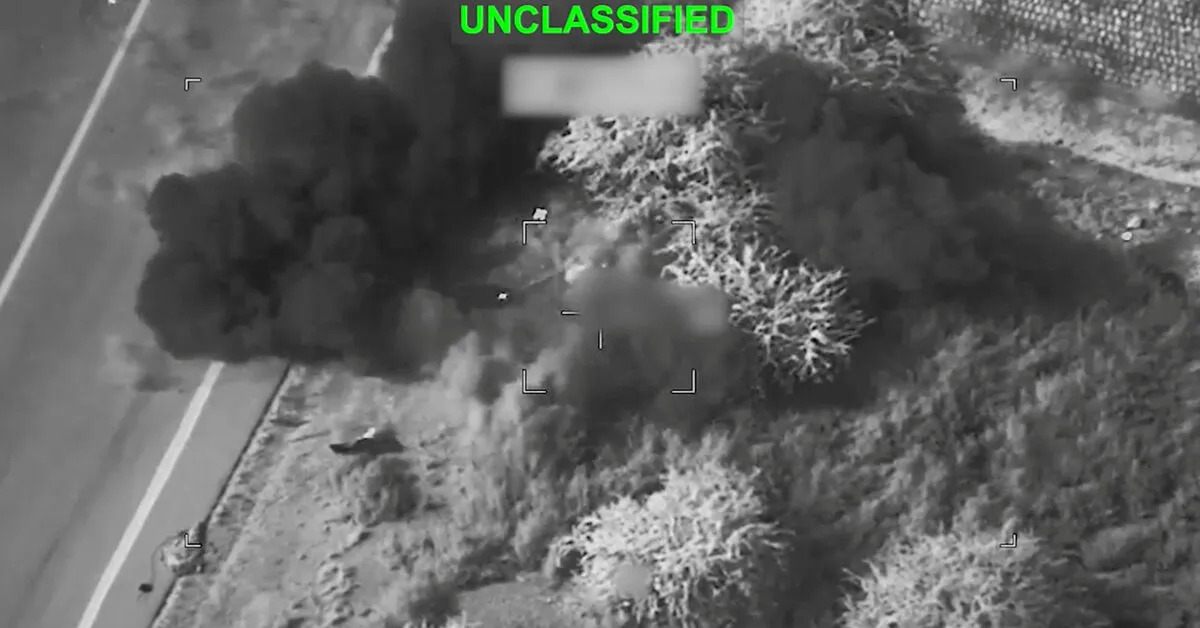
The U.S. military confirmed it had conducted another series of strikes on Iran, stating the objective was to "further degrade Iranian military capabilities." These actions reportedly targeted locations including Qeshm Island and areas near Bandar Abbas, which hosts Iran's principal port, along with significant naval and Revolutionary Guards facilities. U.S. Central Command indicated that precision munitions were deployed against numerous Iranian military targets, encompassing coastal surveillance systems, air defense sites, logistical infrastructure, and maritime assets.
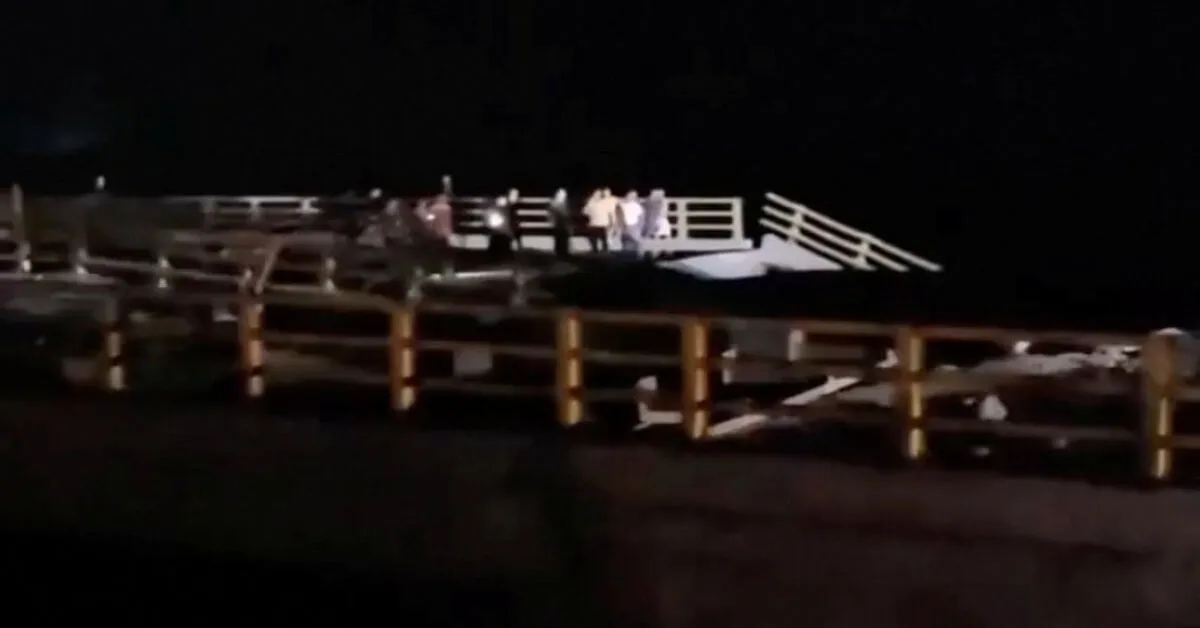
In response, Iran's military claimed to have attacked U.S. facilities in Bahrain and Kuwait. Reports from Qatar noted explosions in the capital, Doha, with the Ministry of Interior confirming a child was injured by shrapnel. Iranian state media also reported that U.S. strikes impacted five bridges, a train station in Bandar Khamir, and Iranshahr Airport. State news agency IRNA reported seven fatalities resulting from U.S. attacks on bridges in Bandar Khamir. The Revolutionary Guards asserted they had targeted a U.S. special operations command center in Syria, citing retaliation for Iranian soldiers killed in Iranshahr. Reuters could not independently verify these claims. This marks a significant development, as Syria has sought to remain detached from the conflict engulfing its neighbors.
The intensified hostilities have once again severely hampered traffic through the Strait of Hormuz, impacting global oil and gas supplies and contributing to rising oil prices and inflation concerns. Iran has reportedly resumed its blockade of the strait, while Washington has reimposed blockades on Iranian ports. Sources suggest Iran might engage its Houthi allies in Yemen to close the Bab al-Mandeb strait if Washington continues to target Iranian infrastructure. White House press secretary Karoline Leavitt stated President Donald Trump would not tolerate these "acts of terrorism" without consequence but affirmed the President remained open to diplomacy.
The ongoing conflict has unnerved residents within Iran. "Living with this fear that war could start again is very exhausting," stated Mahlegha, a 46-year-old government employee in Tehran, who requested her surname be withheld due to security concerns. Iran's stated objective is to assert its authority over the Strait of Hormuz, proposing that all vessels transit a channel near its shores and pay passage fees after a negotiation period. The U.S. has been urging ships to use an alternative route along the Omani coast, while U.S. airstrikes aim to degrade Iran's ability to control the strait. Iranian military spokespersons maintain that such efforts would be ineffective, as Iran can strike the strait from any point within its territory. President Trump has not ruled out ground operations, including the potential seizure of Kharg Island, Iran's primary oil export terminal, and has previously threatened to target Iranian power plants and bridges.