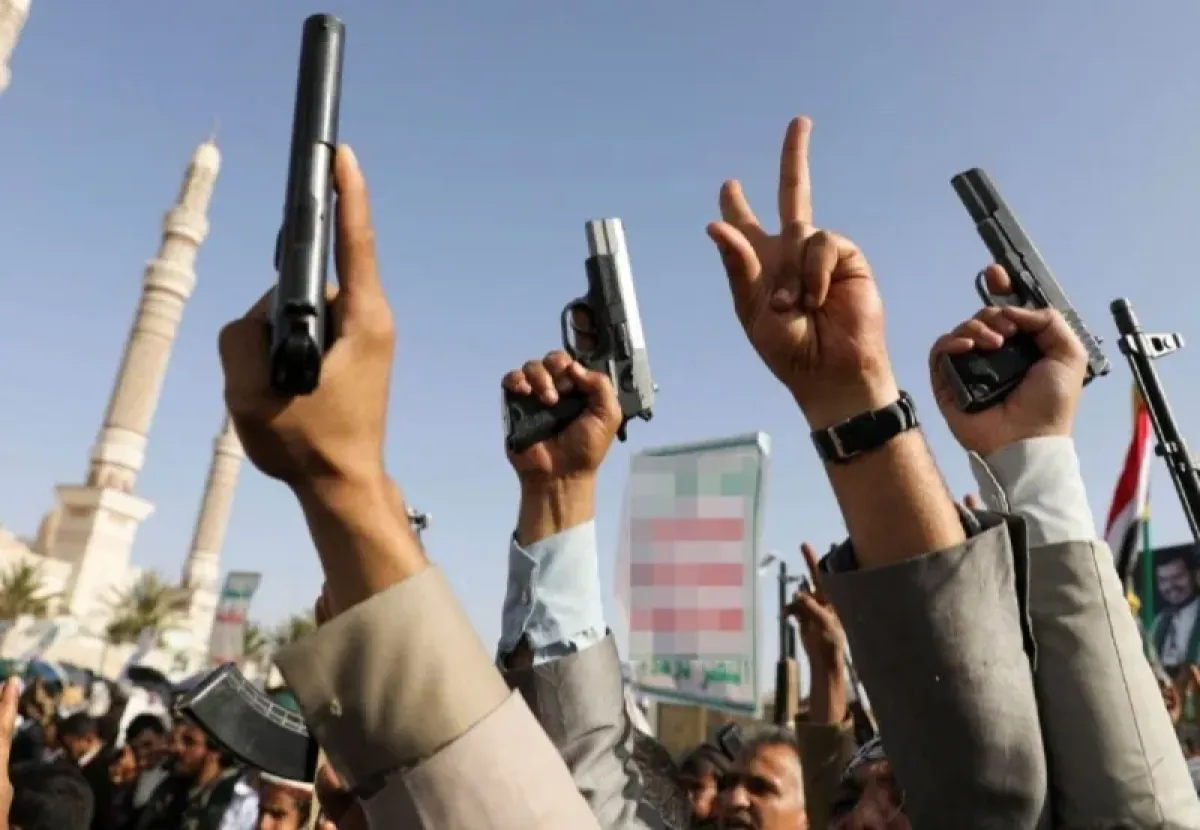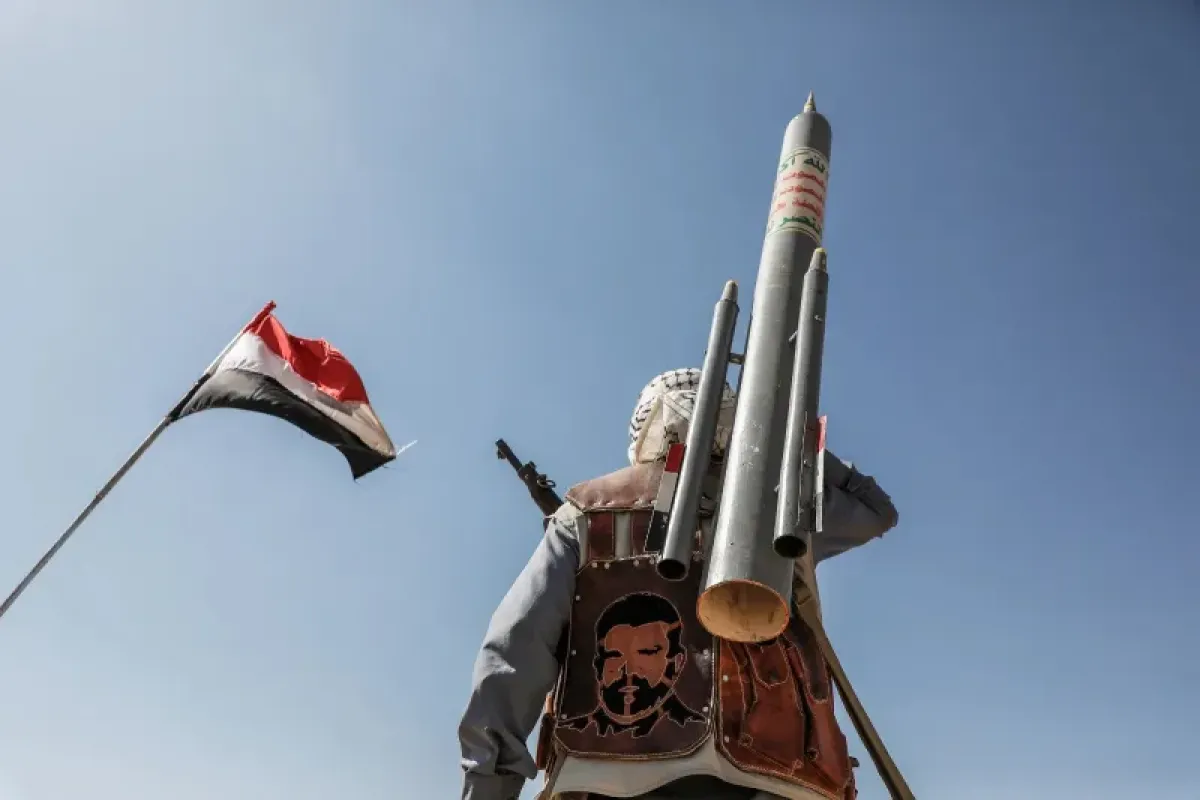
The Houthi militia continues to leverage escalating threats against international navigation as a tool to extract political and economic concessions. Recent actions reveal a pattern of converting humanitarian initiatives and de-escalation efforts into bargaining chips for further gains, rather than utilizing them to foster trust and advance a comprehensive political settlement.
The militia's latest escalation involved the declaration of a naval blockade against Saudi Arabia, a move widely interpreted by observers as an extension of the group's long-standing blackmail strategy. This tactic exploits regional tensions and the confrontation between Iran and the United States to impose new conditions on Yemeni and regional parties.
Analysts believe the Houthi threat to navigation in the Red Sea and Bab el-Mandeb strait cannot be separated from Iran's objective of using the group as a proxy for regional pressure, particularly amidst heightened tensions with Washington and reciprocal threats regarding Iranian energy facilities.
This latest round of escalation followed disagreements over a Jordanian initiative to resume commercial flights between Amman and Sana'a. Proposed as a humanitarian measure to alleviate Yemeni suffering and de-escalate tensions, the Houthis instead viewed it as an opening to demand a broad package of economic and sovereign concessions. Despite welcoming the initiative as a confidence-building measure from the UN and the Yemeni government, the militia deemed it "insufficient" and demanded the lifting of all restrictions on airports and ports, financial arrangements for salary payments in their controlled areas, and a share of oil and gas revenues.
This behavior reflects a consistent Houthi approach of raising demands with every concession offered, transforming humanitarian gestures or temporary arrangements into launchpads for new political and economic leverage. This assessment is informed by the UN-brokered truce in April 2022, during which the militia secured numerous facilities, including increased access for ships to Hodeidah port, expanded operations at Sana'a airport, recognition of passports from their territories, and the seizure of Yemeni Airways assets and operational control of four of its aircraft.
However, observers note that these concessions were not met with reciprocal moves from the Houthis on political or military fronts. Instead, they were used to consolidate the group's influence and entrench the existing institutional and economic division within the country. Analysts warn that continued concessions without clear guarantees and reciprocal commitments could embolden the Houthis to pursue a recurring policy of escalation, where every step towards de-escalation becomes a precursor to a new cycle of demands and pressure.
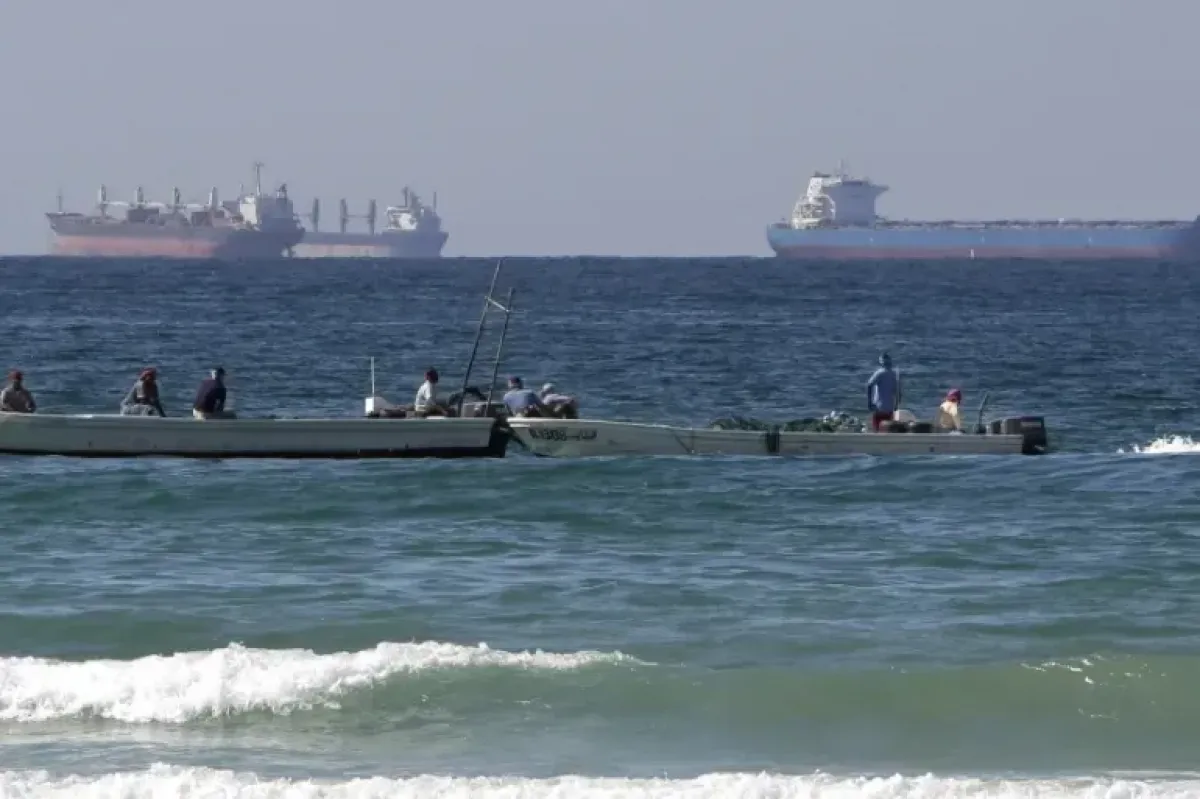
Amidst regional escalation, the militia has weaponized international navigation, announcing a self-proclaimed "naval blockade" against Saudi Arabia and threatening further actions against shipping. Analysts suggest that this threat to Bab el-Mandeb is part of an Iranian effort to broaden pressure on the United States and its allies by targeting global trade routes and disrupting energy supplies, given the strait's critical role in the transit of oil tankers and cargo between Asia and Europe.
The use of maritime passages as a political bargaining chip by the Houthis represents a dangerous escalation, according to analysts. It elevates the Yemeni crisis from a local conflict to a direct threat to global economic security, granting the group leverage to blackmail the international community by threatening vital interests. These developments coincided with an air travel dispute between Iran and Houthi-controlled areas, following an attempted flight by Iran's Mahan Air to Sana'a airport without obtaining the necessary permits from internationally recognized Yemeni authorities.
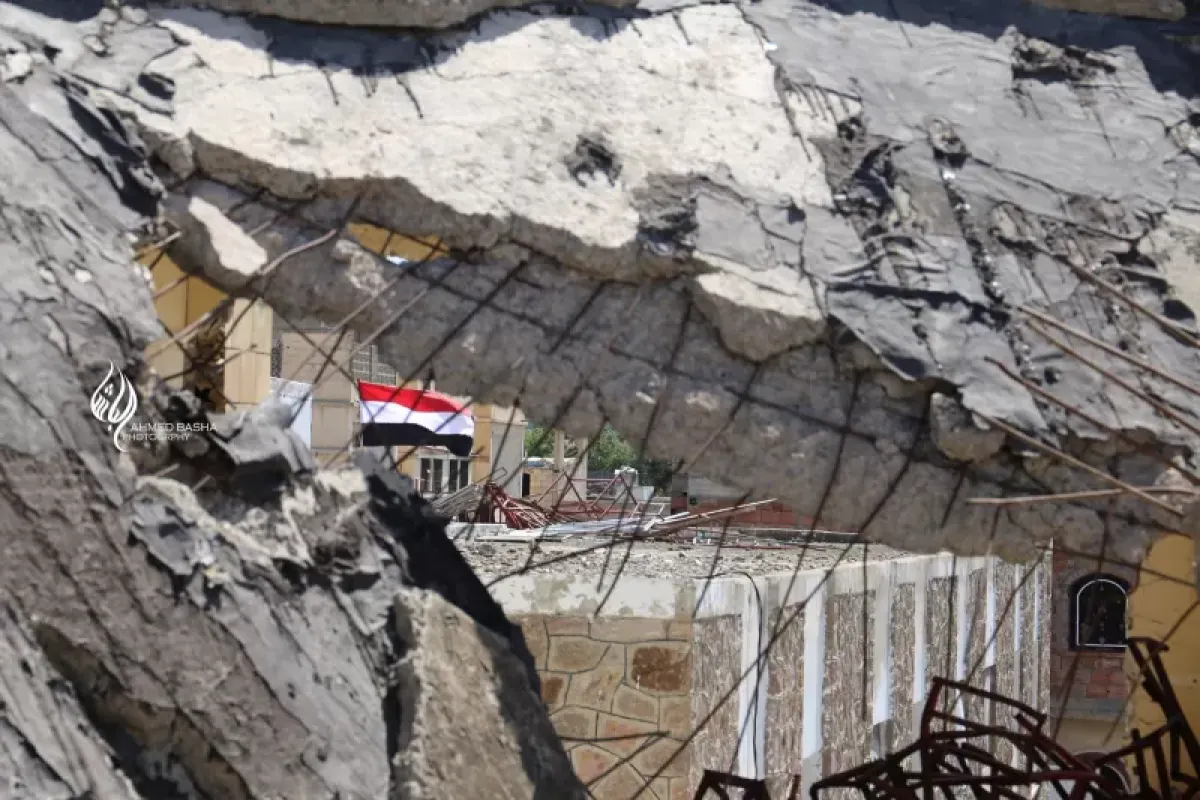
The Yemeni government blocked the Iranian aircraft, asserting that all air traffic must adhere to official procedures. The Yemeni Ministry of Defense subsequently announced strikes on Sana'a airport's runway to prevent the landing of the flight originating from Tehran. The Houthis, in turn, framed this as their right to manage areas under their control, while the government accused them of using airports and ports to strengthen their ties with Iran outside recognized legal frameworks.
Observers suggest that the Houthis' external escalation is also driven by internal crises, including a deteriorating economic situation in their controlled territories and growing public discontent over excessive taxation, lack of services, and unpaid salaries. They argue the group aims to divert attention from these domestic issues through regional provocations, positioning itself as a regional power rather than confronting popular demands regarding governance, economy, and services.
The Yemeni government maintains it has responded with state-like restraint, avoiding broader escalation that could allow the Houthis to evade their domestic challenges or distract from their responsibilities. The government remains firm on the necessity of respecting legal procedures for air and sea ports. Current indications suggest the Houthi militia continues to employ a blend of military threats and political demands for further gains, capitalizing on regional polarization. Observers caution that the instrumentalization of Bab el-Mandeb and humanitarian issues as negotiation tools risks undermining peace prospects and exacerbating the Yemeni crisis.
They emphasize that any sustainable peace process is impossible under a continued policy of imposing faits accomplis and linking every humanitarian or political step to new conditions. The militia must transition from a policy of blackmail and escalation to committing to a political path that ensures a comprehensive settlement to end the conflict and division.