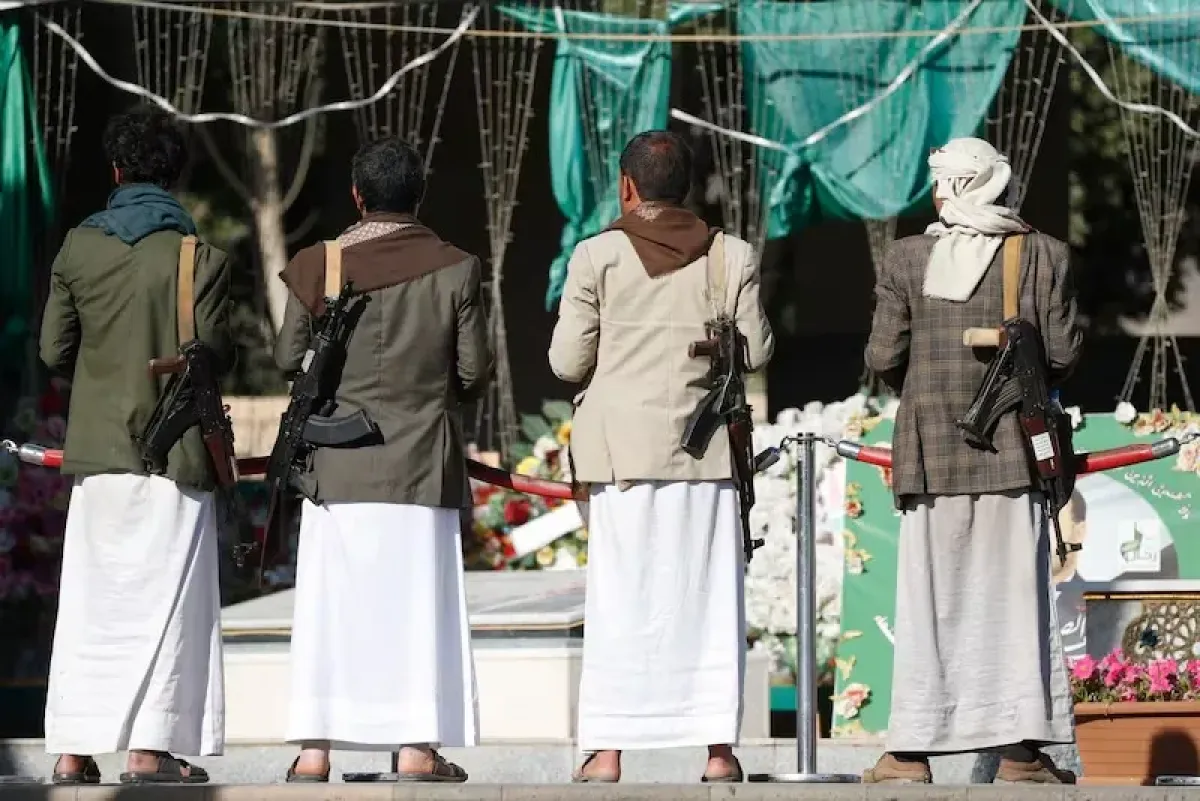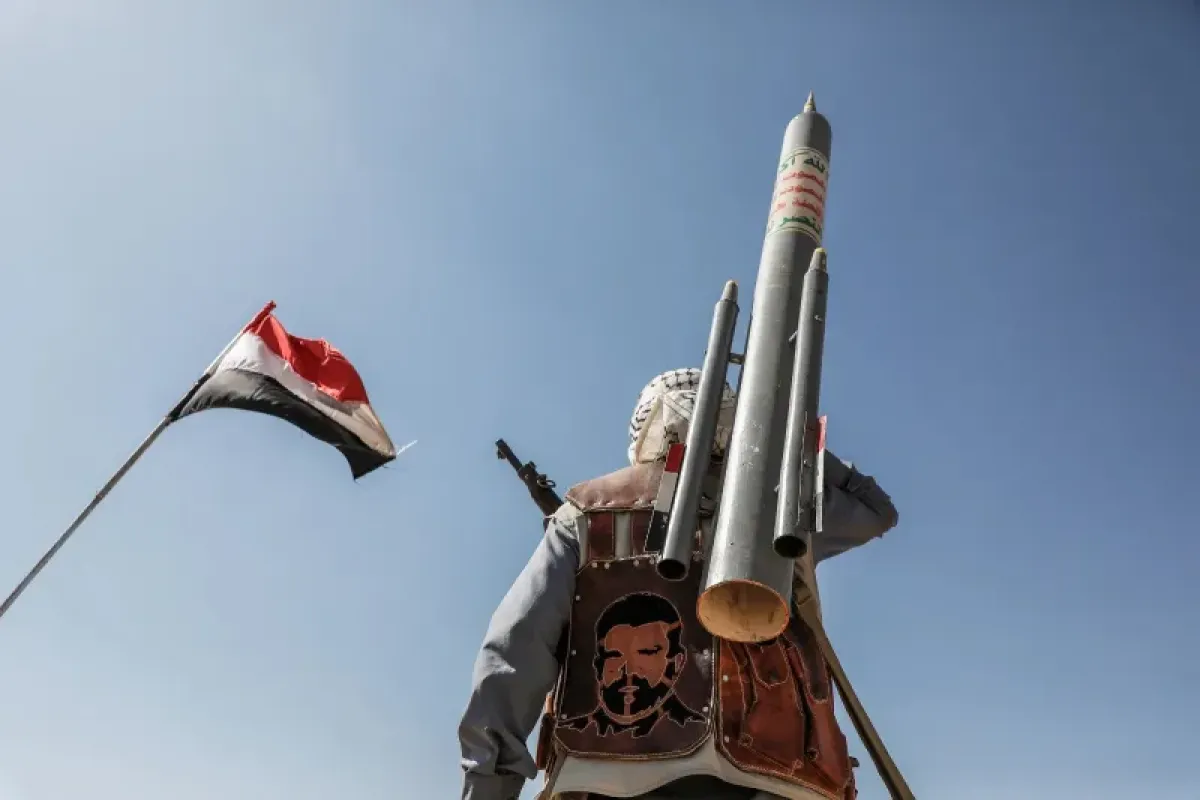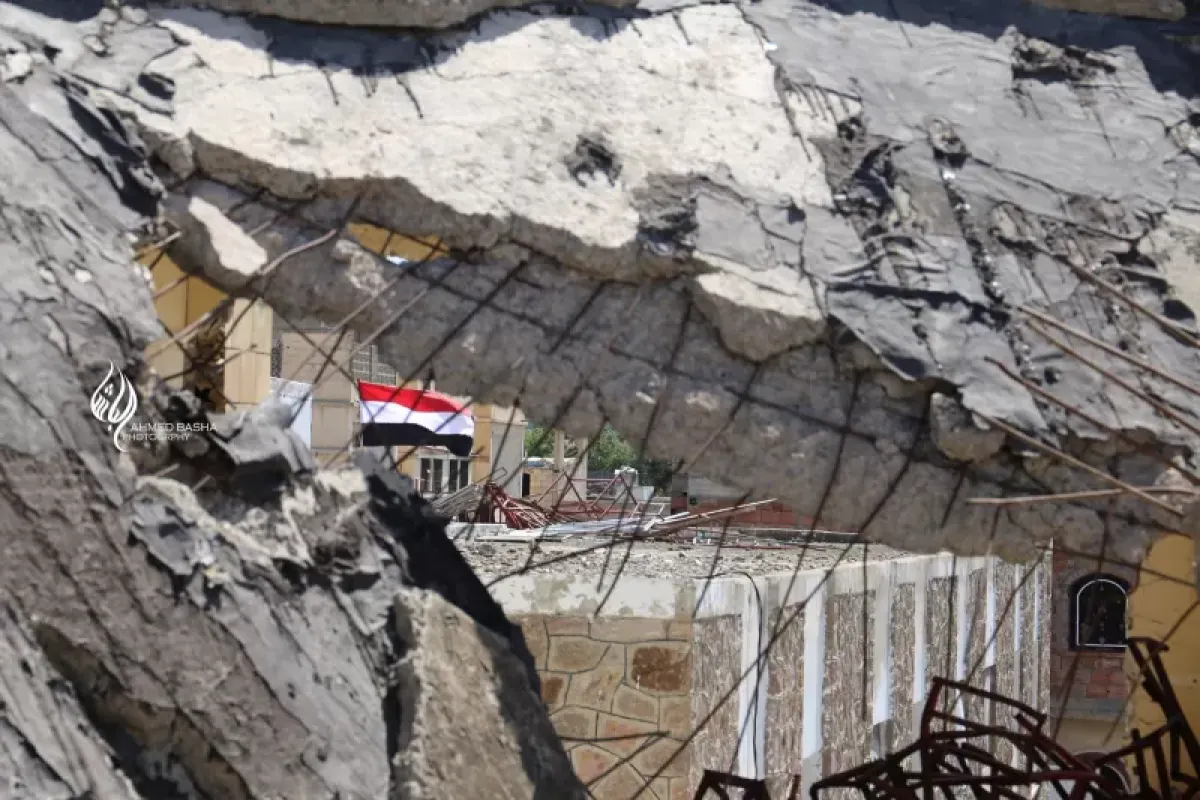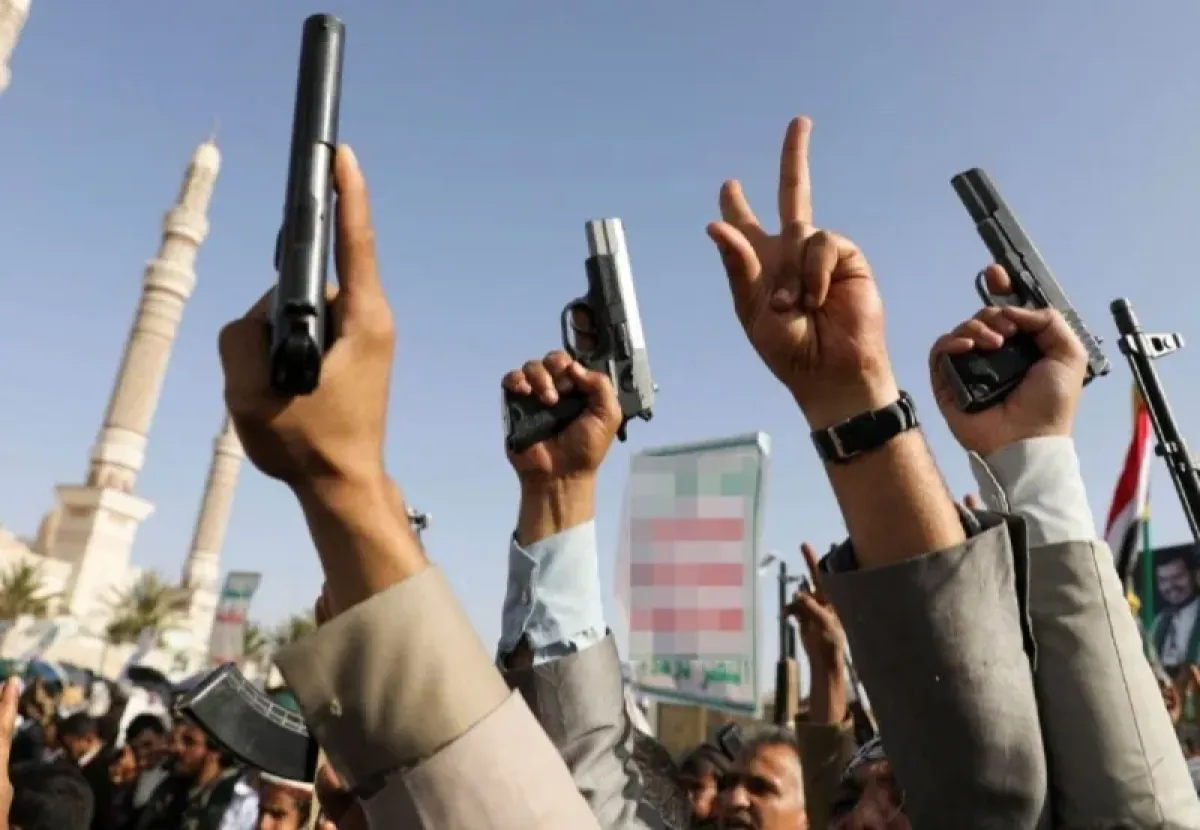
The ongoing conflict in Yemen has extended beyond territorial control into a battle of narratives, with the Houthi movement prominently featuring claims of a comprehensive blockade as a primary explanation for the nation's economic and humanitarian crisis. However, international maritime data suggests a more complex reality, indicating continued port activity despite the war.
The Houthi narrative asserts that restrictions on navigation and imports have led to food and fuel shortages, exacerbating the humanitarian crisis, and holds the coalition and the Yemeni government responsible for the suffering of Yemenis. This perspective frames the imposed constraints as a total blockade that has halted trade.
However, scrutiny of international data concerning port movements reveals a nuanced picture. While the impact of war, security restrictions, and military operations on the Yemeni economy is undeniable, the characterization of a "total blockade" hindering all trade is questioned by maritime records. Specifically, the port of Hodeidah, a focal point of Houthi rhetoric, has remained operational under international oversight.
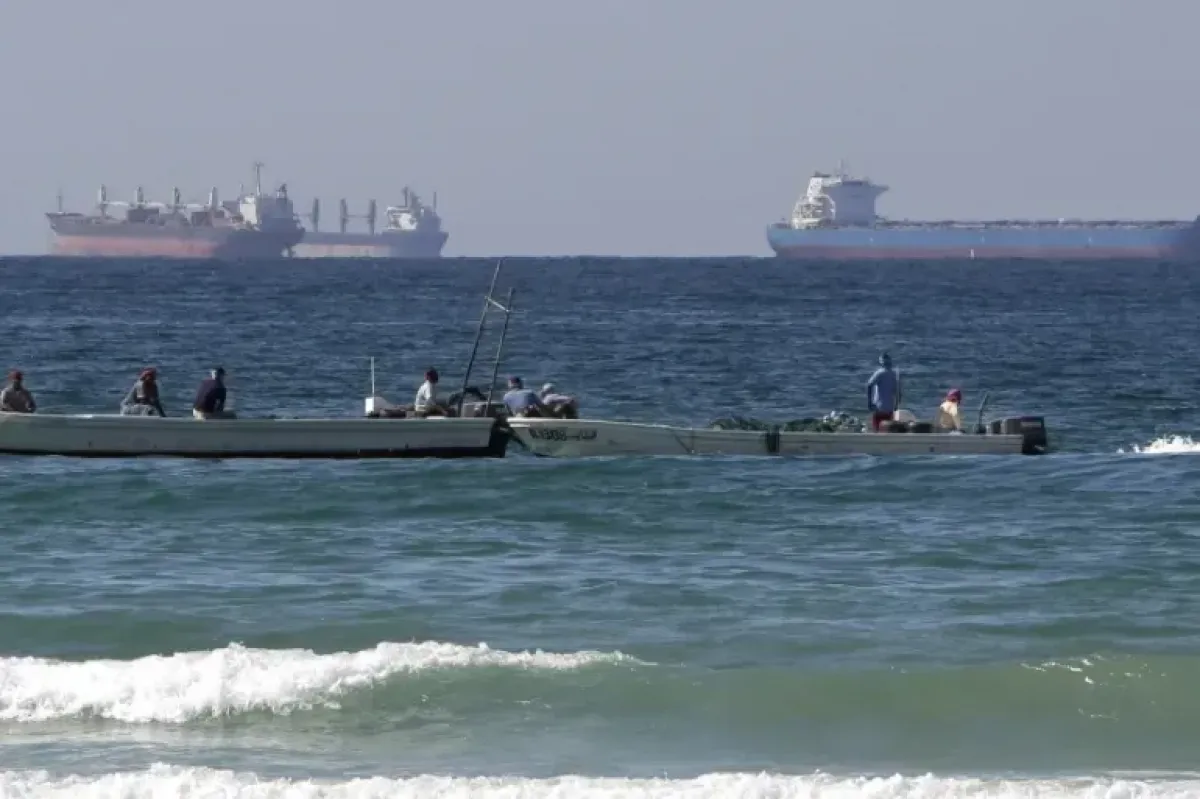
Since 2016, the United Nations Verification and Inspection Mechanism for Yemen (UNVIM) has been regulating the entry of vessels to Hodeidah and other ports, inspecting cargo and issuing permits to ensure the flow of imports and prevent military use. Data released by the Yemeni government, based on UNVIM records, indicates continuous maritime activity, with vessels carrying foodstuffs, fuel, and commercial goods regularly arriving.
Between May 2016 and May 2026, the UNVIM processed 3,560 vessel permit requests, conducted 2,634 inspections, and facilitated the entry and departure of 3,238 ships. These ships discharged over 72 million tons of imports, including 41.5 million tons of food, 20.1 million tons of fuel, and 10.4 million tons of other goods. These figures, according to the Yemeni government, demonstrate that the ports were not entirely closed to trade.
While the humanitarian and economic crisis in Yemen is severe, stemming from military operations, security risks, increased insurance costs, and reduced local production, the responsibility for this crisis is contested. The Houthis attribute it solely to an external blockade, whereas their opponents argue it results from a complex interplay of factors including institutional and financial fragmentation, cessation of oil exports, declining public revenue, multiple economic decision-making centers, divergent fiscal and monetary policies, and the management of resources outside state institutions.
The Yemeni economy has become a clandestine front in the conflict, with ports, currency, resources, and trade serving as tools in the struggle for influence. Observers view the "blockade" narrative as an element of political and media warfare, used by parties to solidify their accounts and assign blame. The Houthi movement uses it to explain deteriorating conditions in their controlled areas, while the Yemeni government points to continued imports as evidence that the crisis is linked to broader factors beyond navigation restrictions.
International data does not negate the devastating effects of the war on Yemen's economy and institutions, but it complicates the narrative of a complete commercial shutdown. The reality appears to be a combination of genuine war-imposed restrictions and deep-seated internal factors that have prolonged and amplified the crisis. The continuous battle over narratives surrounding the blockade obscures the fact that the Yemeni citizen remains the primary victim, bearing the cost of a protracted political, military, and economic conflict.
In conclusion, maritime movement data indicates that the narrative of a complete closure is inconsistent with the ongoing arrival of ships and imports through Hodeidah port under UNVIM supervision. Conversely, the continued flow of goods does not diminish the war's impact or the severity of the humanitarian suffering. The Yemeni crisis is not solely a story of blockade or war, but a result of complex accumulations of conflict, division, mismanagement of resources, and the dysfunction of state institutions. As parties contest the interpretation of the crisis, the paramount question remains: how much more will Yemenis pay for the ongoing transformation of their economy into a new battlefield?