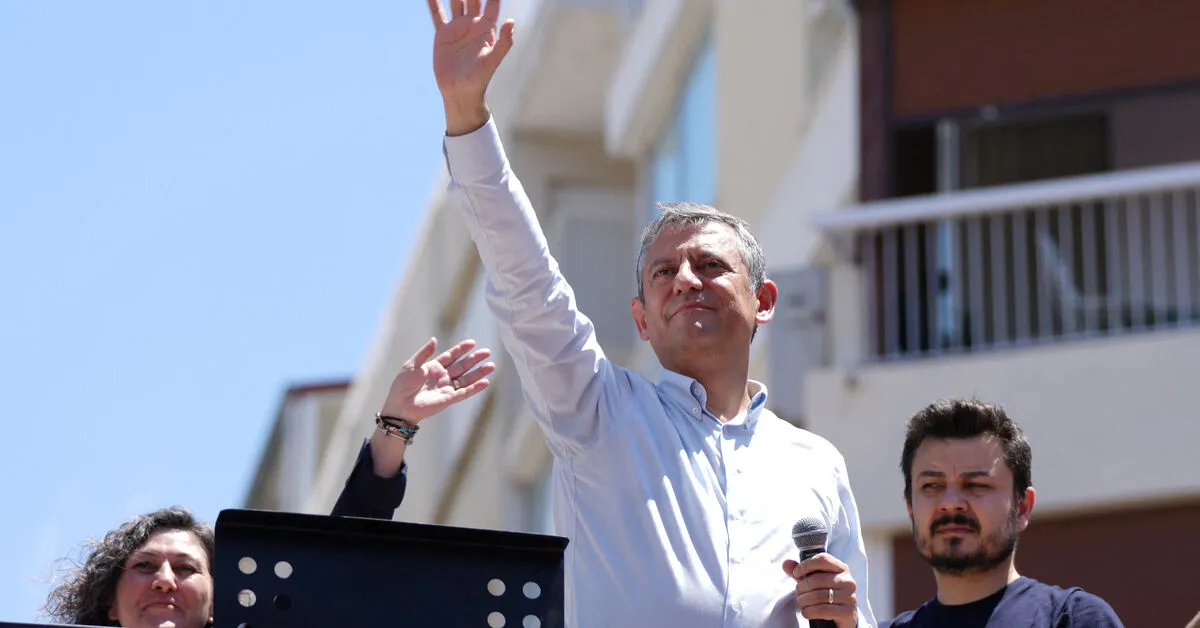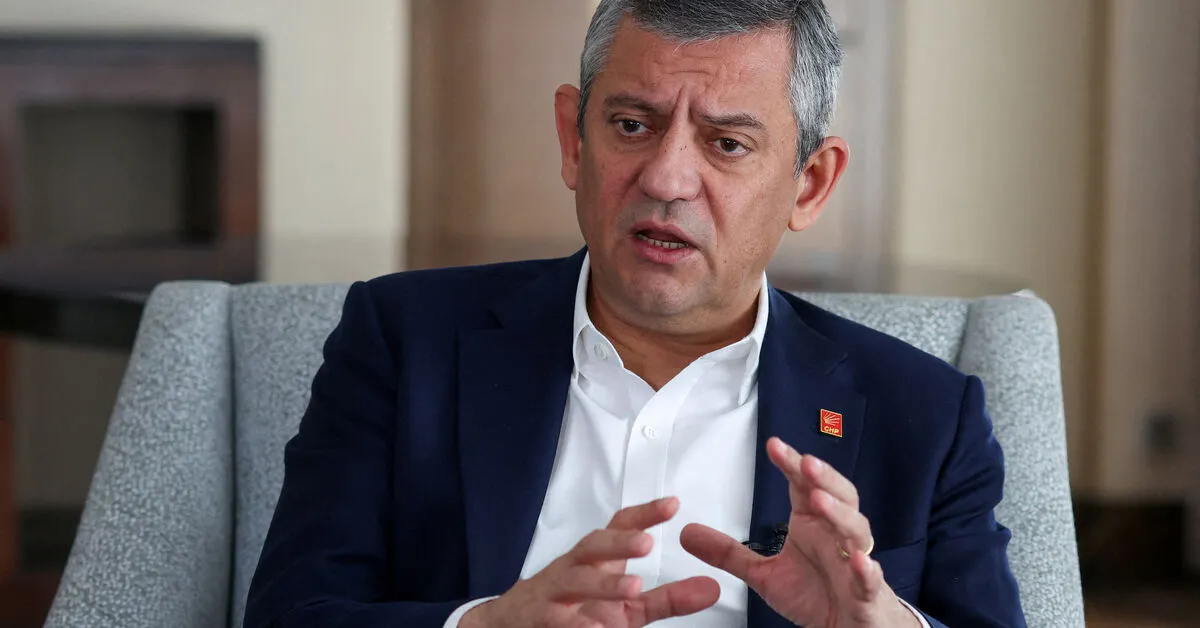
Turkey's political landscape is facing potential shifts as opposition leader Ozgur Ozel announces the formation of a new party to challenge President Tayyip Erdogan, whose 23-year tenure could be extended depending on the timing of upcoming elections.
The next presidential and parliamentary elections in Turkey are currently scheduled for May 14, 2028. However, both the President and Parliament possess the authority to call for an earlier vote. The potential for an earlier election is a critical factor in President Erdogan's ability to seek another term.
Erdogan, who has held various high offices since 2003, was first elected President in 2014 under the country's previous parliamentary system. Following a constitutional referendum in 2017, which introduced an executive presidency, he was re-elected in 2018 and again in 2023. While the presidential system imposes a two-term limit, the constitution permits a president to run for a third term if an early election is called during their final term.
Convening an early election requires a three-fifths majority in the 600-seat parliament, meaning 360 lawmakers must agree. President Erdogan's ruling Justice and Development Party (AKP) and its coalition partners currently hold 328 seats, necessitating the acquisition of 32 additional votes from other parties. This requirement presents a significant challenge for the ruling alliance.
The main opposition Republican People's Party (CHP), recently subject to legal scrutiny, holds 135 seats, with many expected to align with Ozel's new party. The pro-Kurdish DEM Party and its allies have 63 seats, the nationalist IYI Party holds 29, and smaller opposition parties and independents account for the remaining 26 and 11 seats, respectively. Analysts suggest that the ruling alliance might explore support for early elections from the DEM Party, which has recently played a role in facilitating peace efforts.
The AKP and its nationalist ally, the MHP, have publicly stated their intention to hold elections as scheduled. However, some within the AKP believe that any vote held before May 14, 2028, would qualify as an early election, thereby enabling Erdogan to run again. Ozel, the ousted CHP leader, has advocated for an early vote to allow citizens to express their views on the legal actions against his party, but has also indicated that such a vote should not occur too close to the 2028 deadline.
Beyond an early election, a more complex route for Erdogan to seek re-election involves a constitutional amendment. Such an amendment could take effect immediately if supported by 400 lawmakers, a threshold considered ambitious for the ruling alliance. Alternatively, an amendment could be put to a referendum if backed by at least 360 MPs, though public opinion polls indicate a divided populace on such matters. While the CHP has historically opposed constitutional changes benefiting Erdogan, the party's internal divisions might influence some parliamentary support. MHP leader Devlet Bahceli has expressed openness to considering a constitutional amendment, though no draft has yet been formally proposed by the ruling coalition.