A potential Houthi naval blockade in the Red Sea targeting Saudi ports could significantly escalate regional tensions and further stretch an already heavily engaged U.S. military, according to current and former U.S. officials. The Iran-aligned Houthi movement announced on Monday its intention to prevent ships from docking or unloading at Saudi ports, a move that could disrupt approximately 7% of global oil supply and impact Saudi oil exports.
While Saudi Arabia has not formally requested military assistance from Washington, former President Donald Trump suggested that U.S. involvement could be triggered if the Houthis obstruct shipping in the vital Red Sea corridor. He stated that the U.S. "would take care of it," referencing past actions against the group.
However, U.S. military planners face significant challenges. The Houthis are recognized for their resilience and adaptability, having withstood previous bombing campaigns. Engaging them would necessitate diverting resources already focused on confronting Iran and maintaining the U.S. blockade of Iranian ports. Jason Campbell, a former senior Pentagon official, noted that this would "bifurcate" already robust regional resources across two active fronts, potentially requiring the redeployment of U.S. warships from the Gulf to waters near Yemen.
The evolving conflict, which began as a focused campaign against Iran, presents a growing political challenge for the U.S. president. Furthermore, if U.S. forces are compelled to intercept Houthi drones and missiles, it could deplete already strained munitions and air defense interceptor stockpiles, as warned by experts.
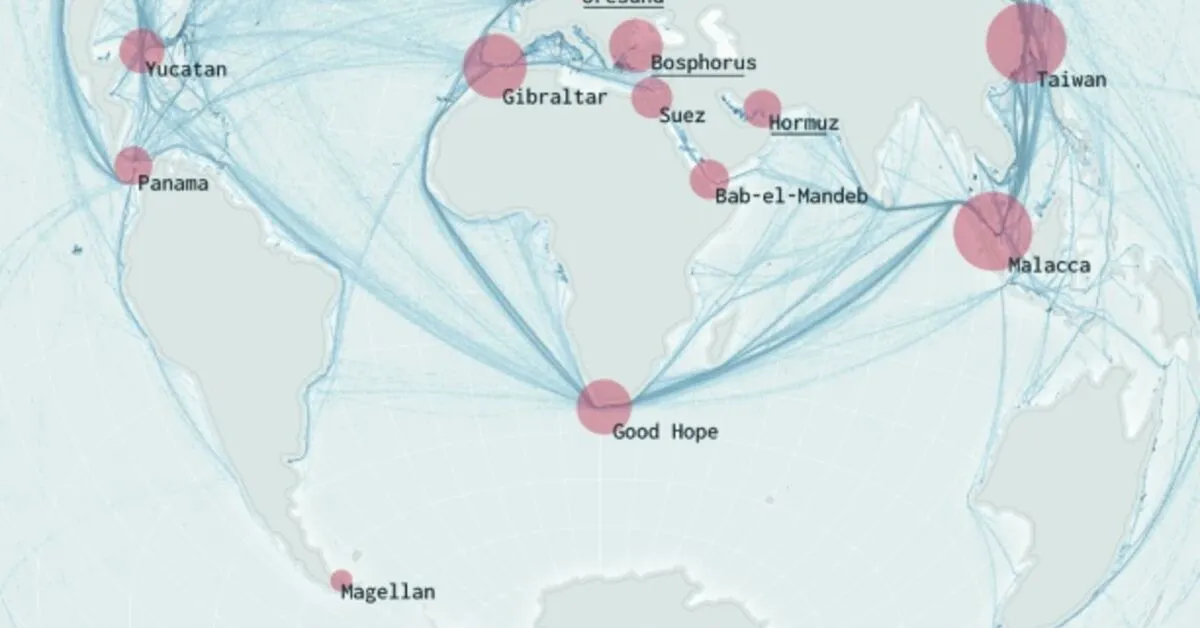
The Houthis have demonstrated a persistent ability to threaten maritime traffic in the Red Sea and the Bab el-Mandeb strait, despite years of a Saudi-led coalition's efforts and more recent U.S. air strikes. While past U.S. military actions, including those involving aircraft carriers and bombers, have been substantial, they have not definitively ended the Houthi threat to shipping. Officials indicate that the U.S. military, though well-funded, faces constraints, with many necessary assets currently deployed in the conflict with Iran.
The current high tempo of operations has led to extended deployments for U.S. naval vessels. With more than 20 U.S. Navy warships and hundreds of aircraft operating in the Middle East, and additional forces being sent to address the Iran conflict, the availability of resources for a Yemen-adjacent campaign could be limited. Such a conflict would require significant naval and aerial assets, as well as intelligence resources, to monitor evolving Houthi capabilities.
Mark Cancian, a retired U.S. Marine officer, concurred that a new front in the Red Sea would strain U.S. naval forces. However, he posited that the Houthis would face difficulties in resupply due to the effective U.S. blockade of Iran, their primary supporter, suggesting their ability to sustain a prolonged campaign might be compromised.