Recent months have revealed increasing political and security divergences between Saudi Arabia and the United Arab Emirates, particularly concerning regional issues and the future of Yemen, impacting one of the region's most significant strategic partnerships.
Tensions have become more evident through differing visions on Yemen's future and security arrangements in the southern Arabian Peninsula. Developments in Hadhramaut and Al-Mahrah governorates highlighted an undeclared competition for political and security influence, sparking discussions about the future of coordination between Riyadh and Abu Dhabi on the Yemeni file.
The announcement of the UAE's withdrawal from the Arab coalition supporting legitimacy in Yemen marked a significant political juncture, reopening questions about the extent of these differences on the bilateral relationship. However, observers suggest these are differences in approach to managing specific issues rather than a strategic rupture, typical among major powers with extensive interests.
Amidst discussions of tensions, reciprocal statements from the Saudi and Emirati Information Ministers aimed to convey a strong bond. These messages underscored a mutual recognition that the current regional challenges far outweigh any temporary divergences.
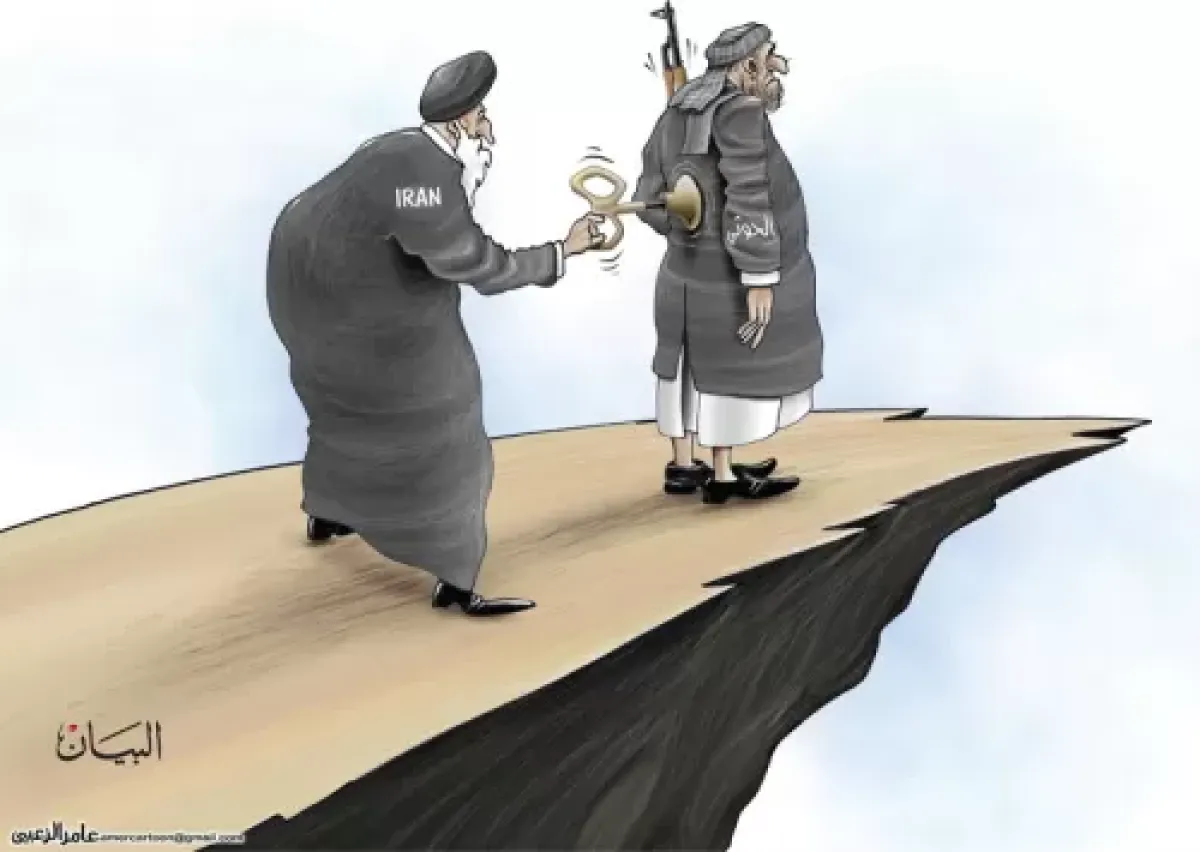
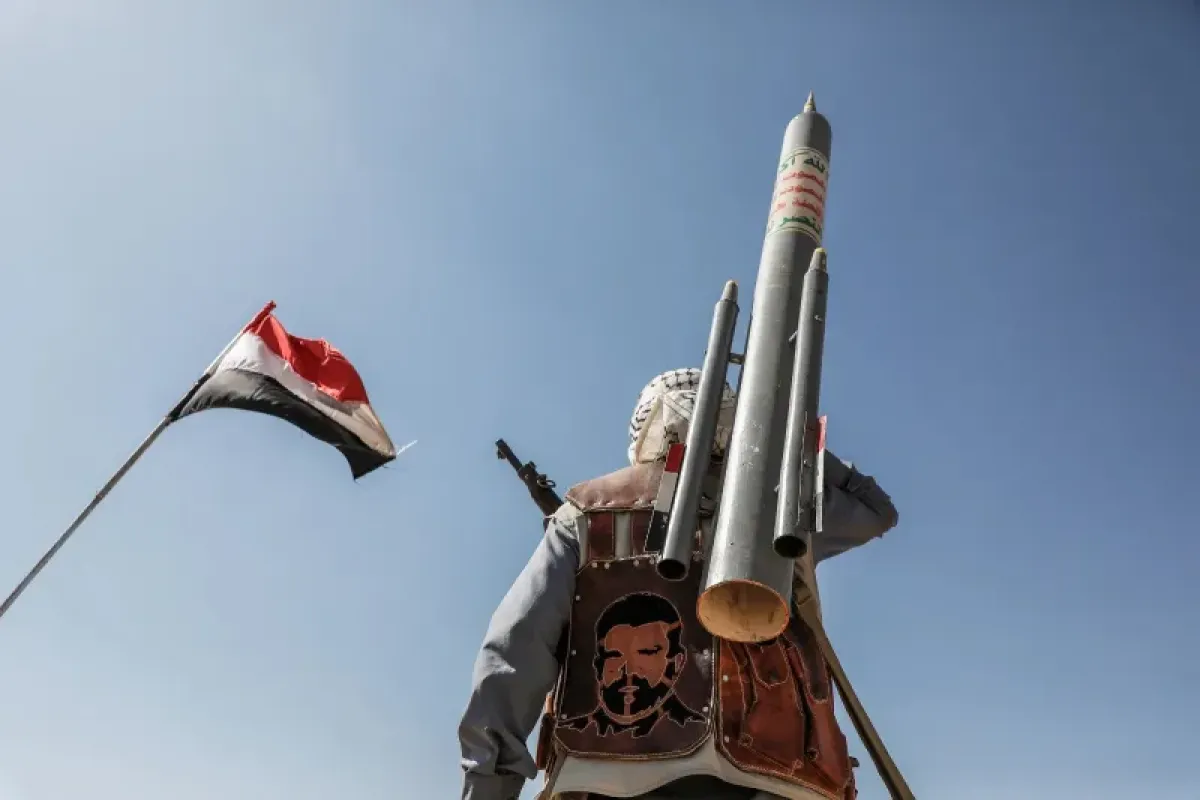
The Houthi threat, backed by Iran, remains a primary security concern for both nations. The Houthi movement has evolved beyond a local conflict party into an Iranian regional proxy seeking to expand influence, using Yemen as leverage against Gulf states and the international community. The Houthi declaration of a naval blockade on Saudi Arabia in the Red Sea and Bab el-Mandeb strait demonstrates a threat extending beyond Yemen to global maritime navigation.
Both Saudi Arabia and the UAE acknowledge that continued Houthi control over Yemen's western coast, coupled with Iranian-supported missile, naval, and drone capabilities, grants Tehran the ability to threaten a vital global maritime passage. The strategic importance of Bab el-Mandeb for international trade and energy flows makes Houthi threats in the Red Sea a shared concern, irrespective of other political or field-level differences.
The shared challenges, including energy security, maritime route safety, countering Iranian influence, and regional stability, necessitate a high level of coordination between Saudi Arabia and the UAE. Yemen remains central to this dynamic, as its stability is a strategic objective for both nations. Any security vacuum in Yemen could empower Iran's regional ambitions, posing a direct threat to Saudi and Emirati interests.
The current regional landscape, marked by the Houthi threat, persistent risks to the Red Sea and Bab el-Mandeb, and rapid geopolitical shifts, strongly favors enhanced Saudi-UAE coordination. The future of their relationship is likely to be defined by overarching strategic interests in Gulf security, regional stability, and the protection of international maritime routes, rather than by tactical differences or limited rivalries. The critical question is not whether the two nations can overcome tensions, but whether escalating regional challenges will drive them toward a more cohesive partnership against Iran's growing presence along the Red Sea and Bab el-Mandeb.