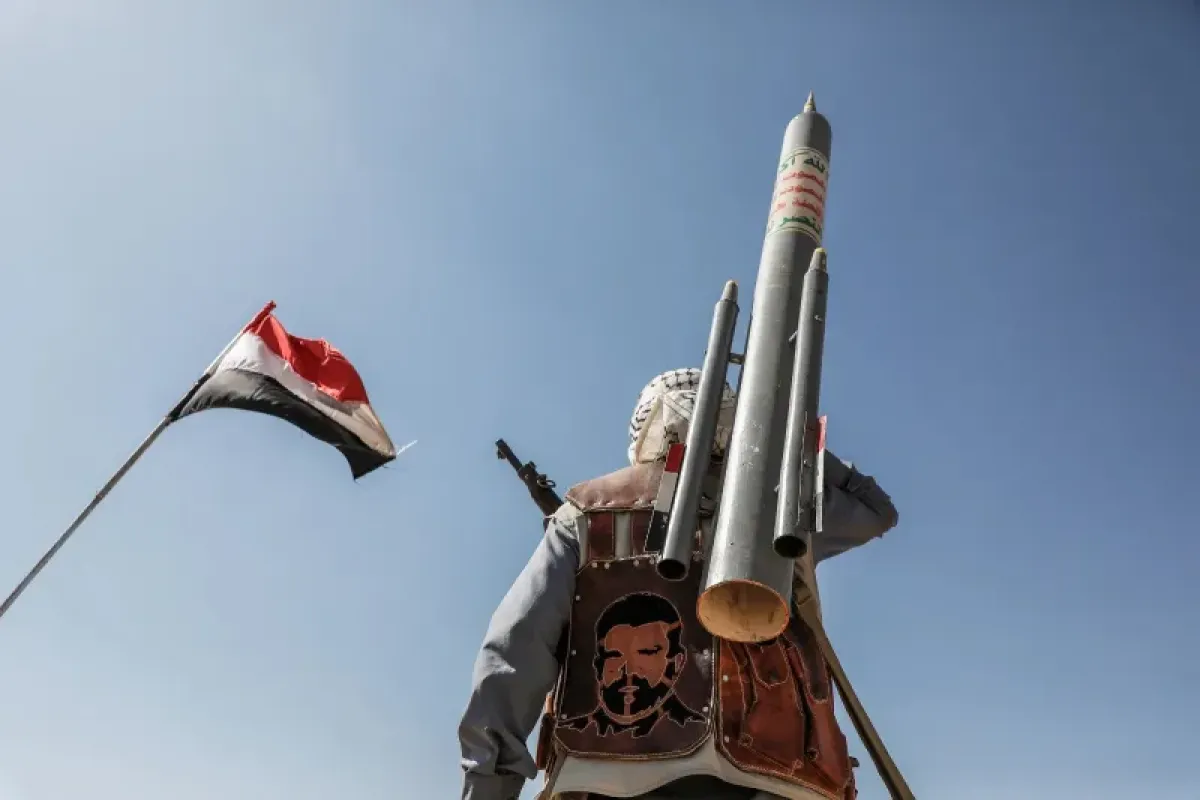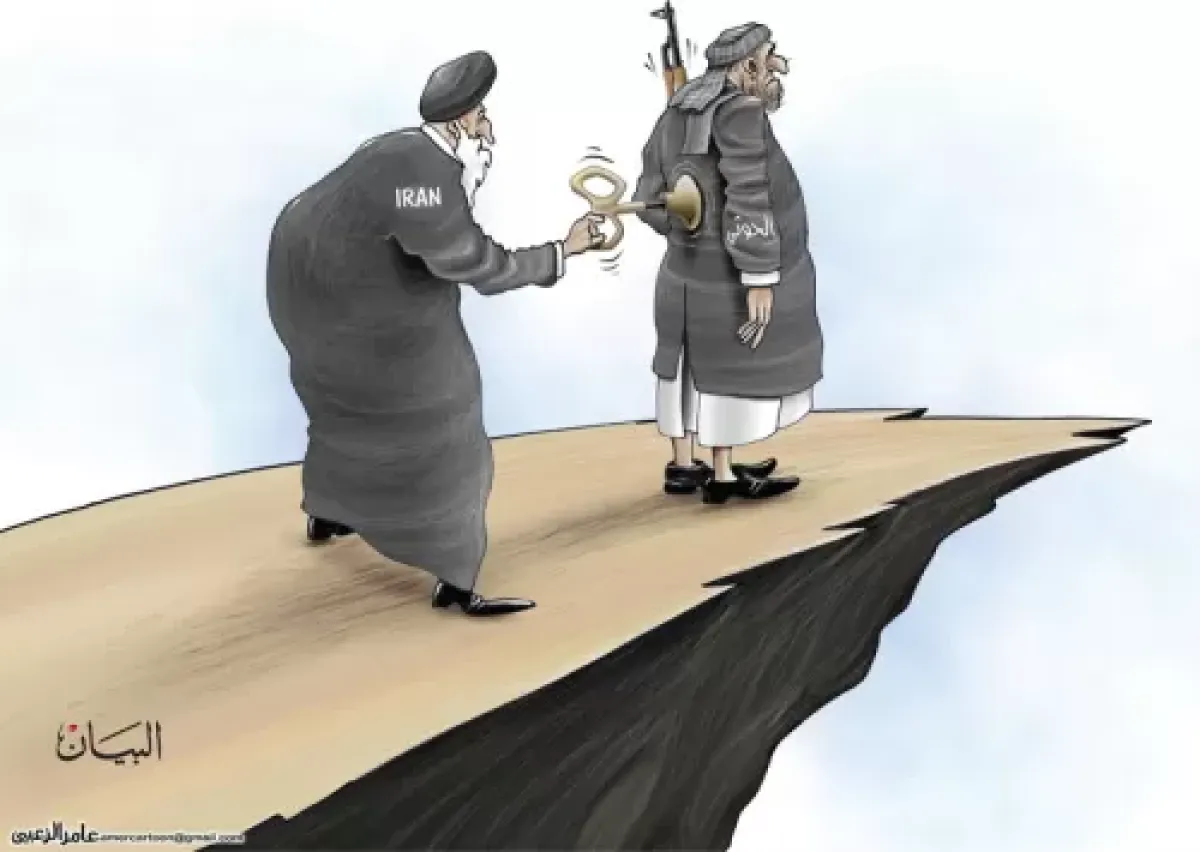
Iran and its Houthi proxies are engaged in an escalating confrontation that threatens regional stability and global interests, extending from the Strait of Hormuz to the Bab el-Mandeb Strait. This aggressive posture, characterized by a disregard for consequences, suggests a policy bordering on political and military suicide.
Tehran's recent actions, particularly its insistence on threatening international navigation in the Strait of Hormuz and attempting to impose control, led to the collapse of a de-escalation memorandum with Washington and the reinstatement of U.S. sanctions. The situation was further complicated by Oman's refusal to align with Iran's agenda for joint management of Hormuz, a decision influenced by potential U.S. repercussions.
Oman's subsequent facilitation of ship passage through its territorial waters to bypass Hormuz tensions reportedly angered Tehran. This friction culminated in the Islamic Revolutionary Guard Corps publicly claiming responsibility for drone attacks on Omani territory, a significant shift from previous incidents where Oman had remained silent. In response, Oman summoned the Iranian ambassador to deliver a formal protest regarding drone strikes on its Musandam and Al Wusta governorates.
This diplomatic move underscores Iran's escalating policy, which appears to disregard even its key regional allies, including Oman, which has historically served as a crucial intermediary for Iran in negotiations with the United States. In parallel with its broader escalation strategy, Iran has directed its Houthi allies to threaten maritime traffic in the Bab el-Mandeb Strait.
The Houthi declaration of a naval blockade on ships heading to Saudi ports via Bab el-Mandeb, ostensibly in support of Gaza, represents a critical escalation. This action mirrors Iran's apparent disregard for the potential loss of Omani support and the severe implications of confronting Saudi Arabia at this juncture. While Oman provided Iran a diplomatic channel, Saudi Arabia's commitment to de-escalation in Yemen had previously offered a degree of protection to the Houthis.
The Houthi threat to international navigation, initiated under the pretext of solidarity with Gaza, has significantly altered the international community's perspective on Yemen. This shift has led to U.S. designation of the Houthis as terrorists, joint U.S.-UK airstrikes to secure maritime routes, and the establishment of a European naval mission, Operation Aspides. Furthermore, the U.S. and UK have reportedly discussed the possibility of supporting a ground operation by Yemen's legitimate government forces to liberate Hodeidah and the Red Sea coastline. This proposal, unlike a similar initiative in 2018, has not faced Western opposition and was only previously stalled by Saudi Arabia's commitment to UN-brokered Yemeni de-escalation and its agreement with Iran. Saudi Arabia's preference for peace over renewed conflict has effectively prevented Western retaliation against the Houthis, highlighting the significant risks the Houthi militia is undertaking by undermining de-escalation and openly provoking conflict with Saudi Arabia.