The International Crisis Group has warned that the latest escalation by Houthi militias, sparked by attempts to establish direct flights between Sanaa and Tehran, poses the most significant threat to the undeclared truce that has maintained a semblance of calm in Yemen since April 2022. The group suggests this crisis reflects a shift in the Houthi movement's behavior, mirroring a clear change in Iran's approach to the Yemeni file, thereby increasing the likelihood of a large-scale return to war.
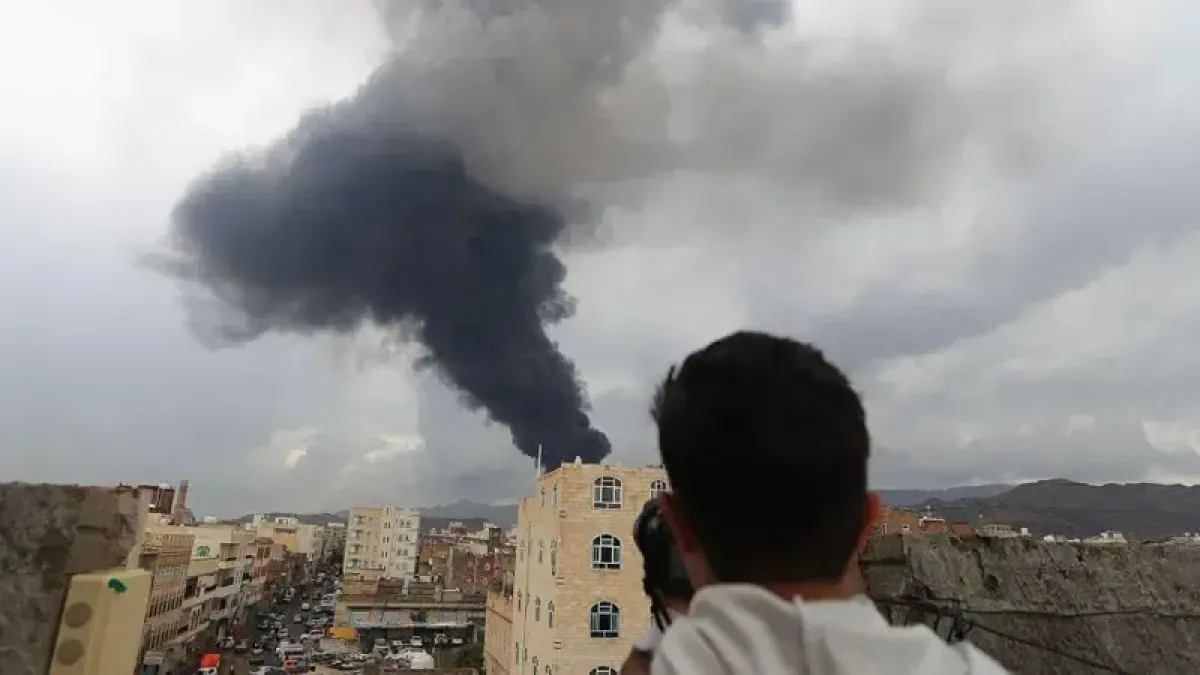
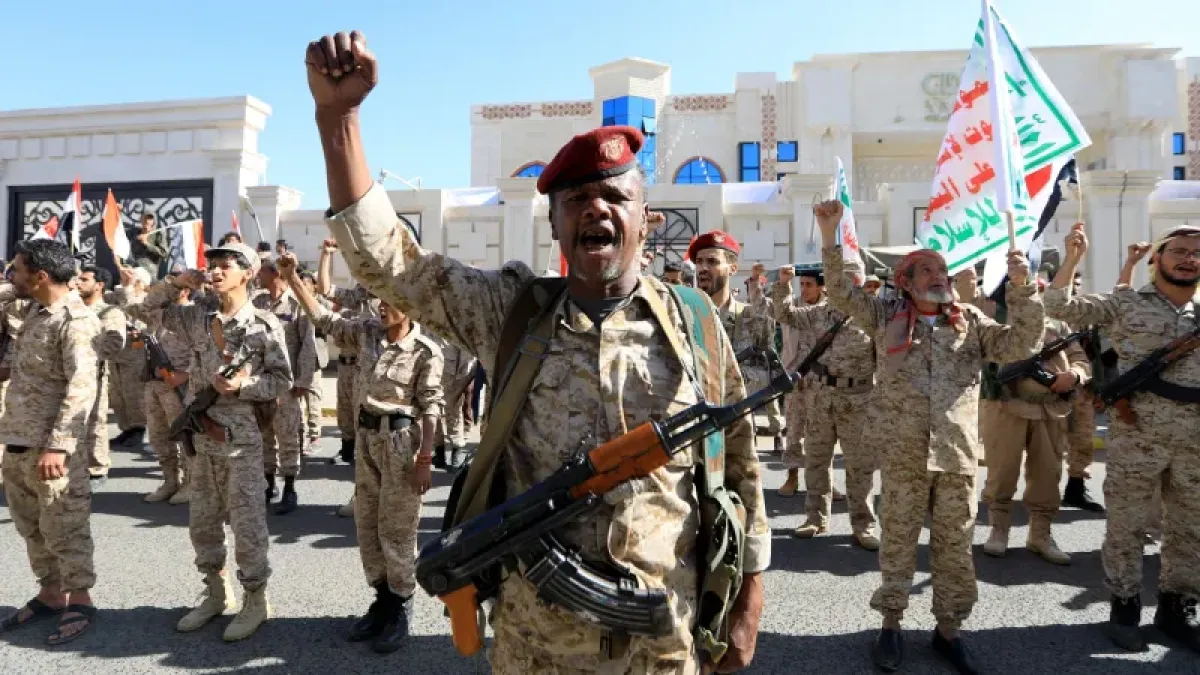
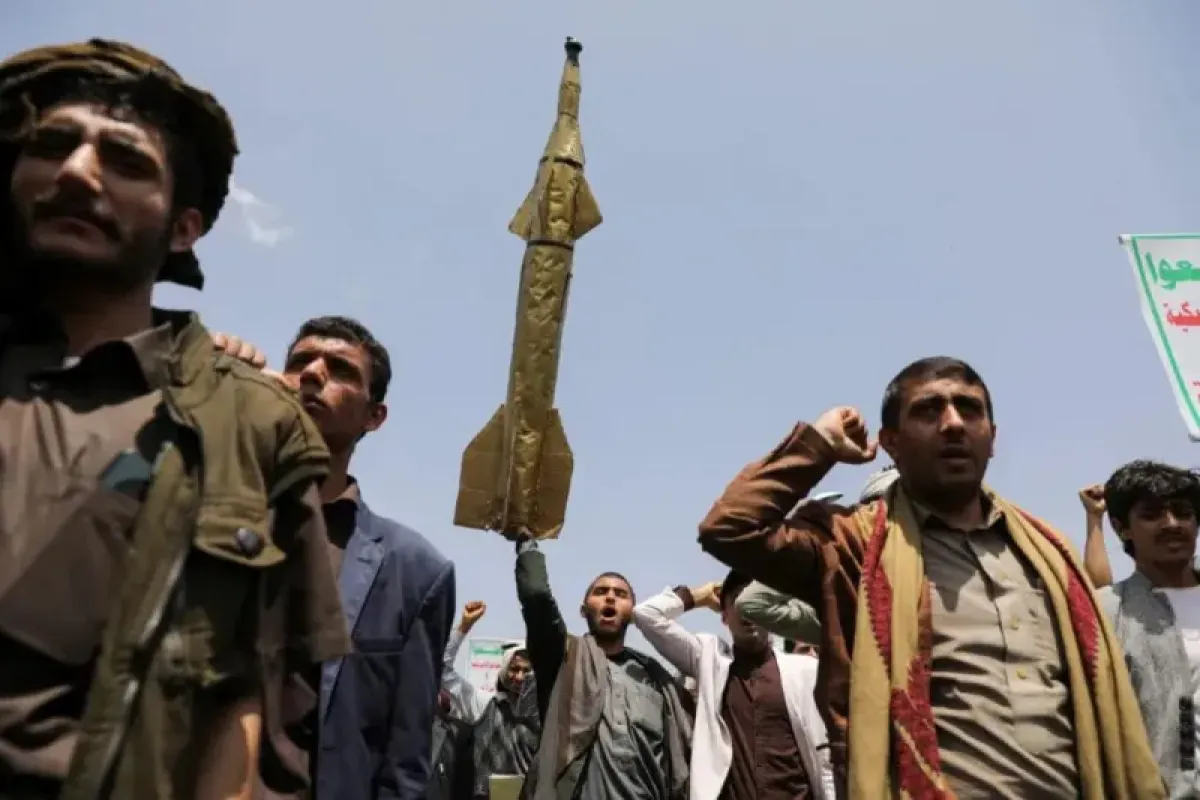
In an analysis by researcher Ahmed Naji, it was emphasized that the dispute over Iranian flights is not a mere technical disagreement about air traffic but signifies a strategic transformation that could undermine understandings that have averted a comprehensive military confrontation in Yemen over the past four years. Naji explained that the crisis threatens to dismantle the truce and heralds a new phase of conflict, noting that the recent escalation reveals a transition from restraint to direct confrontation. This is evidenced by Houthi attacks on Saudi Arabia's Abha Airport following airstrikes aimed at preventing an Iranian plane's landing in Sanaa, coupled with escalating messages conveyed through Houthi-organized demonstrations that spoke of widening the conflict to all fronts.
The analysis posits that these developments effectively conclude one of the quietest periods since the Yemeni war began. It cautions that continued escalation without urgent diplomatic intervention could pave the way for a new round of fighting, potentially expanding beyond limited engagements into a broader regional conflict. The Houthis' insistence on operating direct flights between Sanaa and Tehran without the consent of the Yemeni government or the Arab coalition is seen as part of a larger strategy to impose a new reality on the ground, bypassing UN-brokered negotiations. This move reflects three key shifts: a move from awaiting negotiation outcomes to enforcing facts by force, an upgrade in relations with Iran from indirect support to a more overt partnership challenging restrictions, and a redefinition of the conflict as a battle for "sovereignty" over airspace and territorial waters, rather than focusing on confidence-building measures.
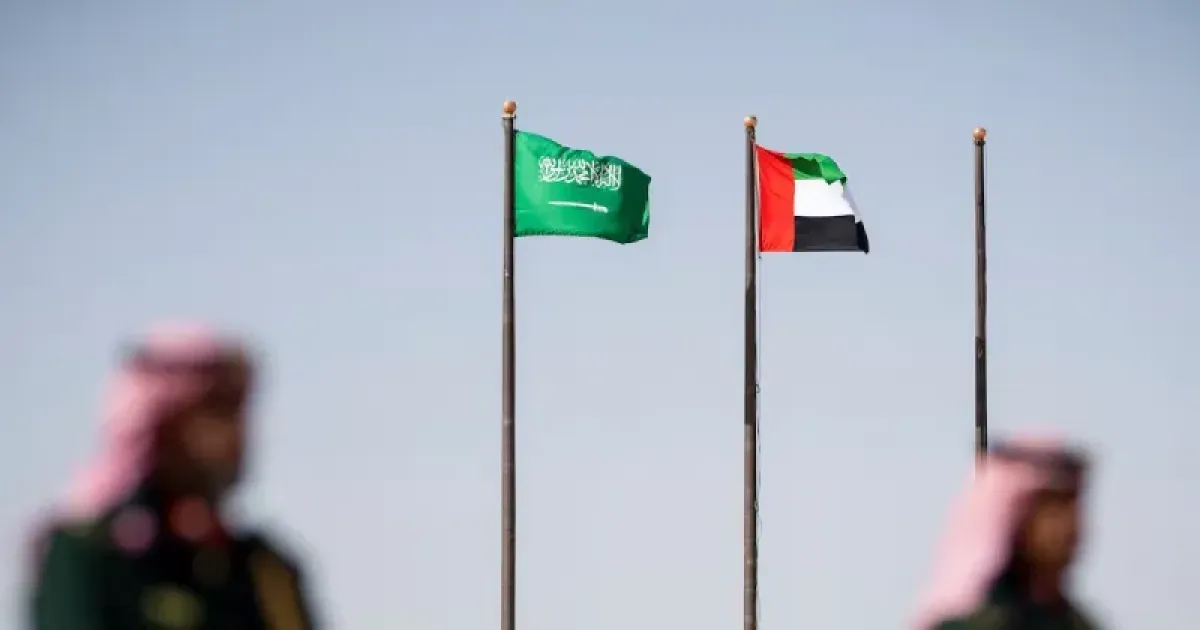
The Houthis' pursuit of establishing themselves as the sole authority representing Yemeni sovereignty is likely to complicate future settlements and raise the cost of reaching compromises. The International Crisis Group warns that the group is "playing with fire," as continued targeting of Saudi Arabia or expanding military operations could provoke a stronger response from Riyadh, especially given the altered power dynamics compared to previous years. Recent months have seen closer alignment among anti-Houthi Yemeni factions supported by Saudi Arabia, bolstering the coalition's capacity for coordinated future military operations, alongside potential U.S. political and military backing for Riyadh if war resumes. Concurrently, the Houthis face increasing internal pressure from economic deterioration and growing popular and tribal discontent with their policies.
A significant finding of the analysis is the linkage between Houthi escalation and a shift in Iranian policy toward Yemen. Iran appears to have moved from encouraging de-escalation post-Saudi-Iran agreement to adopting a more supportive stance of Houthi attempts to break imposed restrictions. This shift is directly tied to Iran's confrontation with the United States and Israel, with Tehran increasingly viewing the Houthis as a more significant regional pressure tool. This is evident in overt support for Houthi actions, the prominent role of the Iranian ambassador in Sanaa, and official Iranian endorsement of direct flights. The Iranian aircraft at the center of the July 13 crisis was a clear indicator of this shift, representing a broader political and logistical move with declared Iranian backing.
The analysis warns that continued U.S. pressure on Iran could compel Tehran to reactivate the Houthi front in the Red Sea and Bab el-Mandeb Strait by encouraging renewed attacks on international shipping, as a means of leverage in the regional confrontation. While the Houthis have not officially announced a return to targeting commercial vessels, officials have hinted at this possibility if the confrontation escalates. This suggests that international maritime security could once again be under threat. Any potential escalation in the Red Sea is linked to Iran's broader strategy, as disrupting navigation in Bab el-Mandeb alongside pressure on the Strait of Hormuz would amplify global trade disruptions and exacerbate the economic and security ramifications of the regional conflict.
The International Crisis Group's analysis concludes with an urgent call to prevent Yemen from descending into a new war, emphasizing that the country cannot withstand another round of conflict after more than a decade of war and humanitarian collapse. Re-activating direct dialogue channels between Saudi Arabia and the Houthis is identified as the most pragmatic path to contain the crisis. Managing the Sanaa airport issue through coordination with the UN and regional partners, rather than unilateral actions, is also recommended. The analysis underscores that any lasting stability in Yemen remains contingent on de-escalation between Iran and the United States, warning that their continued confrontation could once again turn Yemen into an open regional conflict zone, posing significant risks to regional security and international navigation.