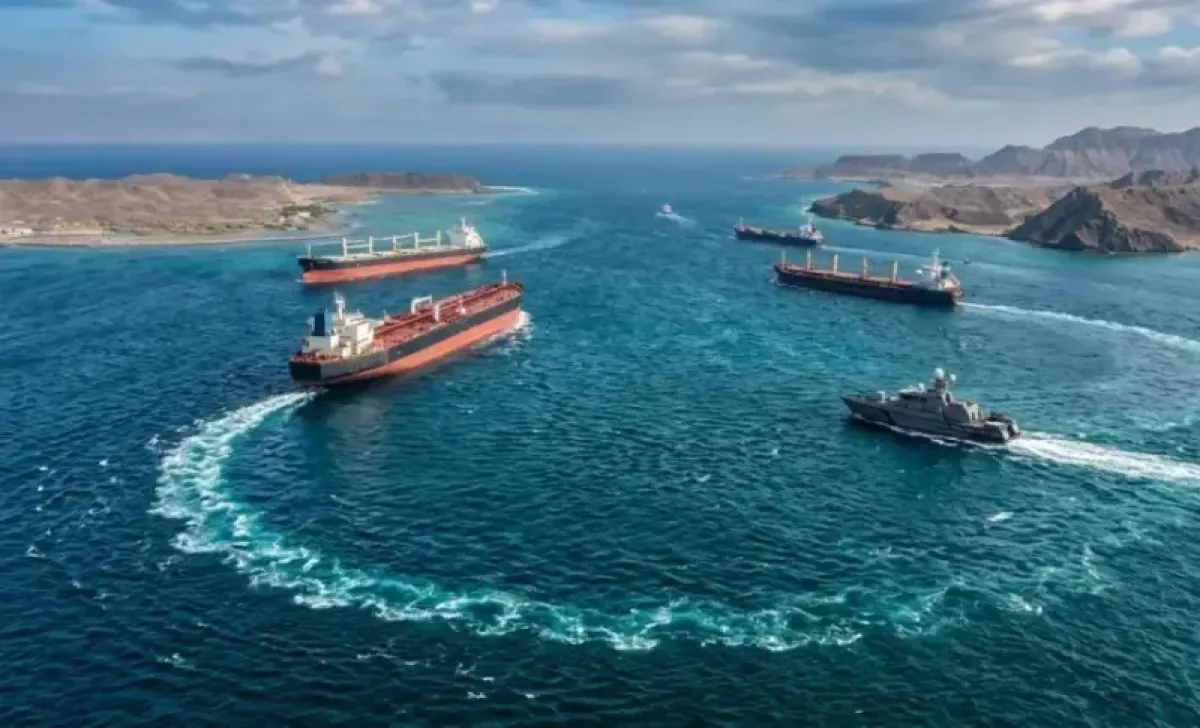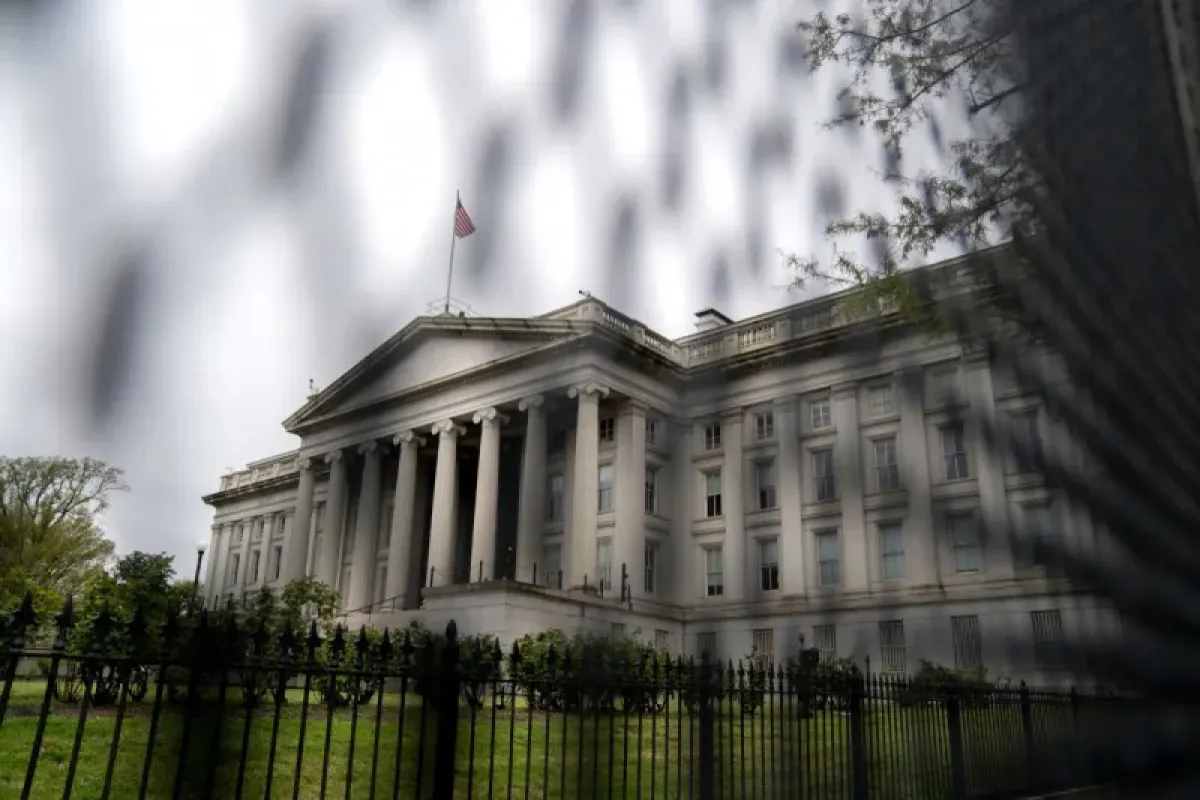
The U.S. Department of the Treasury has announced new sanctions targeting an alleged Iranian maritime and financial network accused of extorting commercial vessels transiting the Strait of Hormuz. The sanctions also extend to several shipping companies and oil tankers operating within Iran's so-called "shadow fleet," which facilitates illicit oil exports.
The Treasury's Office of Foreign Assets Control (OFAC) designated two primary entities involved in a scheme described as forcing commercial ships to purchase insurance arrangements linked to Iran's Islamic Revolutionary Guard Corps (IRGC) in exchange for guaranteed passage through the Strait. According to the Treasury, this scheme aims to monetize the risks posed by Iranian threats to shipping by offering insurance coverage against vessel detention or interception, with Washington asserting that Iran itself largely creates these threats.
Persian Gulf Marine Insurance and Habilita Services Maritime Company were identified for their roles in providing services related to vessel passage. U.S. officials stated that these operations are designed to enhance the IRGC's control over maritime traffic and generate additional funding for the organization. The U.S. administration highlighted a fundamental contradiction in Iran's actions, where protection and insurance services are presented as risk mitigation tools, while Tehran is simultaneously accused of fostering the very threat environment that necessitates such guarantees.
U.S. Treasury Secretary Scott believes the Iranian regime, facing economic pressure and dwindling resources, is seeking new liquidity sources. He affirmed that the United States will not permit global trade and shipping routes to be utilized for funding IRGC activities or supporting Tehran's regional policies. This latest action follows previous U.S. warnings regarding the legal and financial risks associated with payments, whether cash, digital, or indirect financial arrangements, made for safe passage through the Strait of Hormuz.
The Treasury noted that Habilita Services Maritime Company presented itself as a provider of comprehensive maritime services, including insurance, traffic monitoring, security, and emergency response, but also employed digital assets in its payment mechanisms. Washington contends this move is part of Iran's efforts to circumvent Western financial restrictions and utilize alternative methods for moving funds outside traditional banking channels, particularly as scrutiny intensifies on transactions linked to sanctioned Iranian entities.
In parallel with the sanctions on the insurance and transit scheme, the Treasury also targeted companies and vessels implicated in transporting millions of barrels of Iranian crude oil and petrochemical products to overseas markets, notably China. The sanctioned tankers include WELL SAIL, LILY, AL SALMI, BREEZE V, NATSUMI, CRYSTAL, NIRETA, and YEHOPE, along with associated companies involved in their management or ownership, based in Hong Kong, the Marshall Islands, and other jurisdictions. Washington views the shadow fleet as a crucial mechanism for Iran to maintain oil revenue streams through a network of companies and tankers registered in multiple jurisdictions, obscuring shipping routes and beneficial ownership of oil trade.