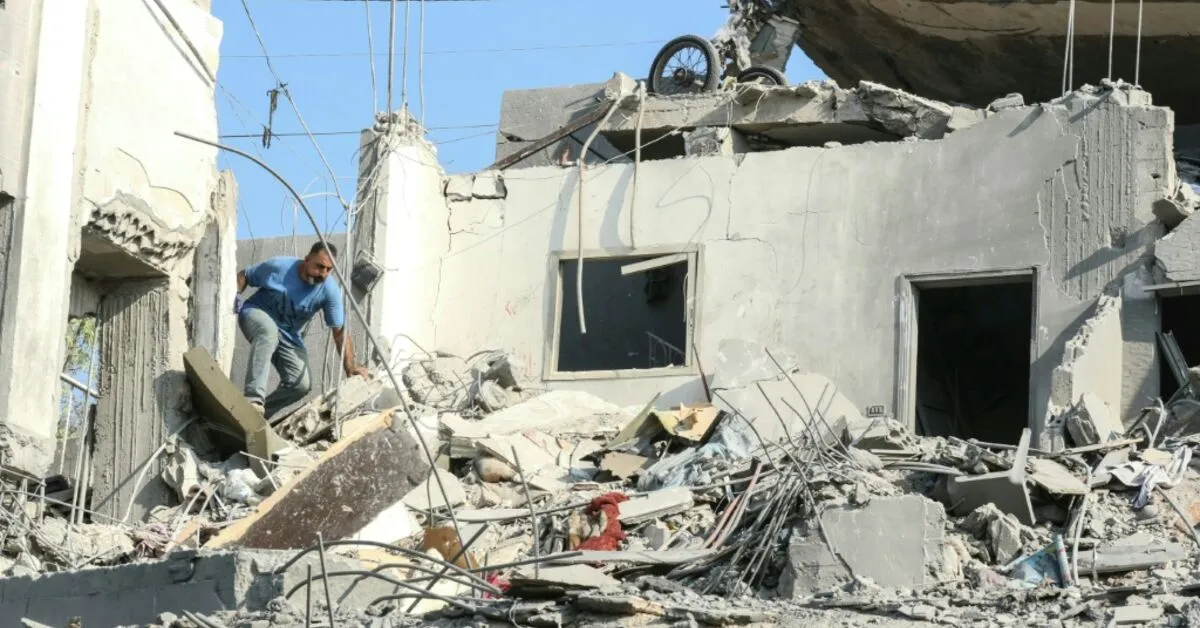
Israeli airstrikes in southern Lebanon on Saturday resulted in the deaths of eleven individuals, including three children, marking the most severe attacks since a June agreement aimed at de-escalating hostilities between Israel and Hezbollah. The Israeli military stated the raids were a direct response to an earlier Hezbollah attack on its troops operating within southern Lebanon.
The intensified violence occurred as both Lebanon and Israel were preparing for an eighth round of U.S.-sponsored direct negotiations, scheduled to take place in Rome early next month. While a framework agreement was reached in Washington in June, Lebanese President Joseph Aoun condemned Saturday's actions, describing them as a "clear message on the negotiations process and American efforts aiming to implement this agreement." Hezbollah, in turn, vowed an "appropriate response" and urged Lebanese authorities to cease direct negotiations, which it deemed a "humiliating path."
Lebanon's state-run National News Agency reported that Israel significantly increased its attacks on southern Lebanon, detailing an airstrike on a residence in the village of Ansar and multiple airstrikes targeting the strategically important Ali al-Taher ridge. Further strikes were reported in the southern town of Deir Zahrani. The Lebanese Health Ministry confirmed seven fatalities in Ansar, including three children and two women, with President Aoun noting that an "entire family" perished in the attack. In Deir Zahrani, four additional deaths were reported, bringing the total to eleven, with seventeen others wounded, including a child and eleven women.
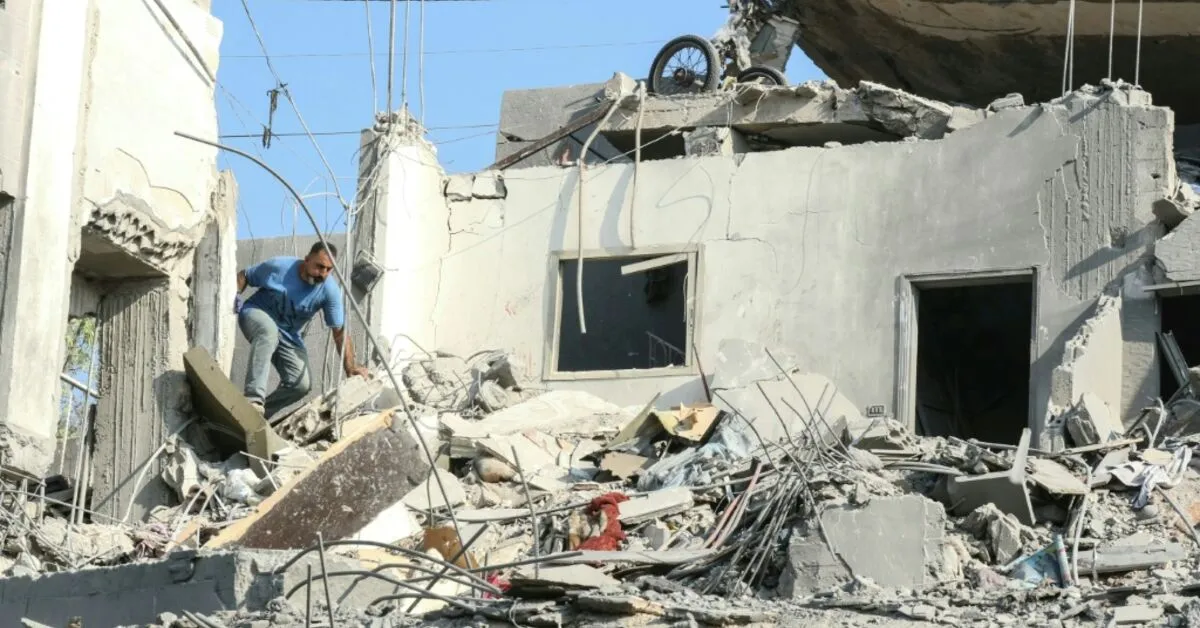
In Ansar, an AFP correspondent observed extensive destruction at a residential building, with rescue workers sifting through the debris. Abbas Khalil, a resident, recounted the shock of the strike, stating, "There's no justification for this." The Israeli army asserted that it targeted "Hezbollah terror infrastructure" in response to Hezbollah's "action" against Israeli soldiers near the Ali al-Taher ridge. The army further claimed that Hezbollah had attacked its forces within the designated "security zone," a buffer area extending approximately ten kilometers into Lebanon, characterizing it as a "serious violation of the agreement."
Lebanese Prime Minister Nawaf Salam strongly condemned the civilian casualties in Ansar, emphasizing that the deceased were not military targets and urging Israel to halt the "extremely dangerous" escalation. Nabih Berri, the Speaker of Parliament and an ally of Hezbollah, called upon the sponsors of the negotiations and ceasefire agreements to uphold their responsibilities "before it's too late." Hezbollah suggested that the expanded targeting of civilians indicated an effort by Israeli Prime Minister Benjamin Netanyahu to escalate the conflict for domestic political gain.
The framework agreement between Israel and Lebanon includes provisions for the disarmament of Hezbollah, a phased withdrawal of Israeli forces from southern Lebanon, and the deployment of the Lebanese army in designated areas. However, recent statements from Israeli Defense Minister Israel Katz reaffirming a continued troop presence in the "security zone" have been met with concerns from U.S. State Department officials, who stated that such a presence is inconsistent with the commitments made in the framework agreement.