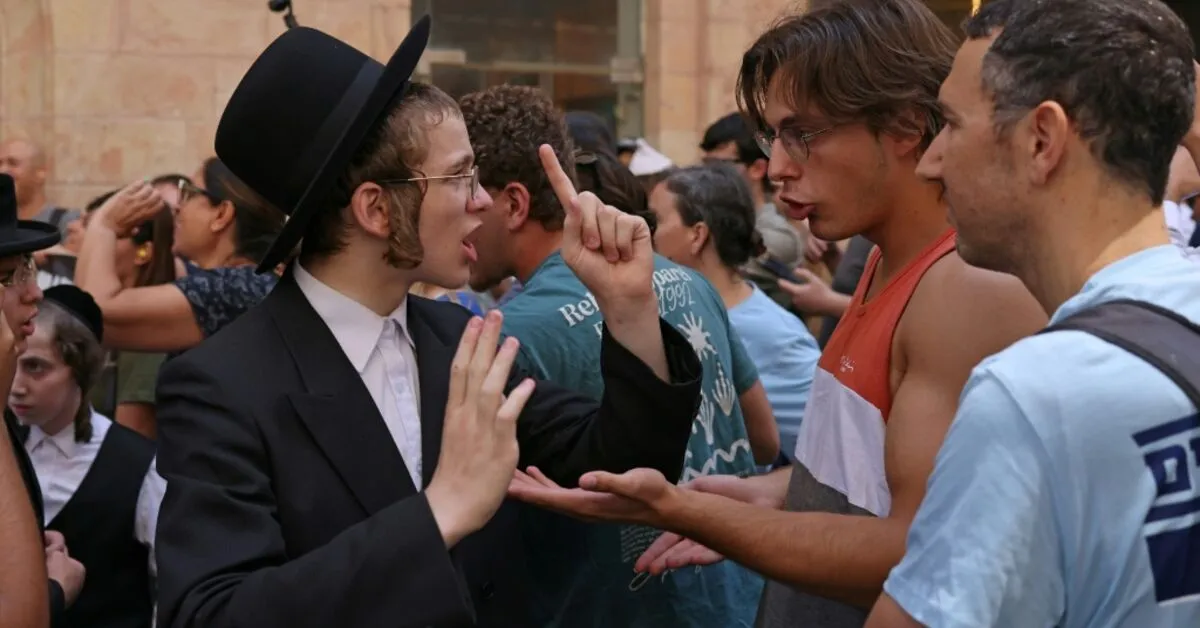
A weekly protest outside a Jerusalem cafe, where ultra-Orthodox demonstrators oppose its opening on the Sabbath, has become a focal point for the deep-seated tensions between secular and religious Israelis, particularly amid ongoing political instability and military conflict.
The cafe, Basimta, located near an ultra-Orthodox neighborhood, faces weekly protests by dozens of men and boys who decry its operation on Shabbat, the Jewish day of rest. Demonstrators chant "Shabbat!" and engage in disruptive behavior, while secular counter-protesters respond with noise and banners asserting their right to enjoy such amenities. This confrontation reflects a broader societal schism exacerbated by political dynamics in Israel.
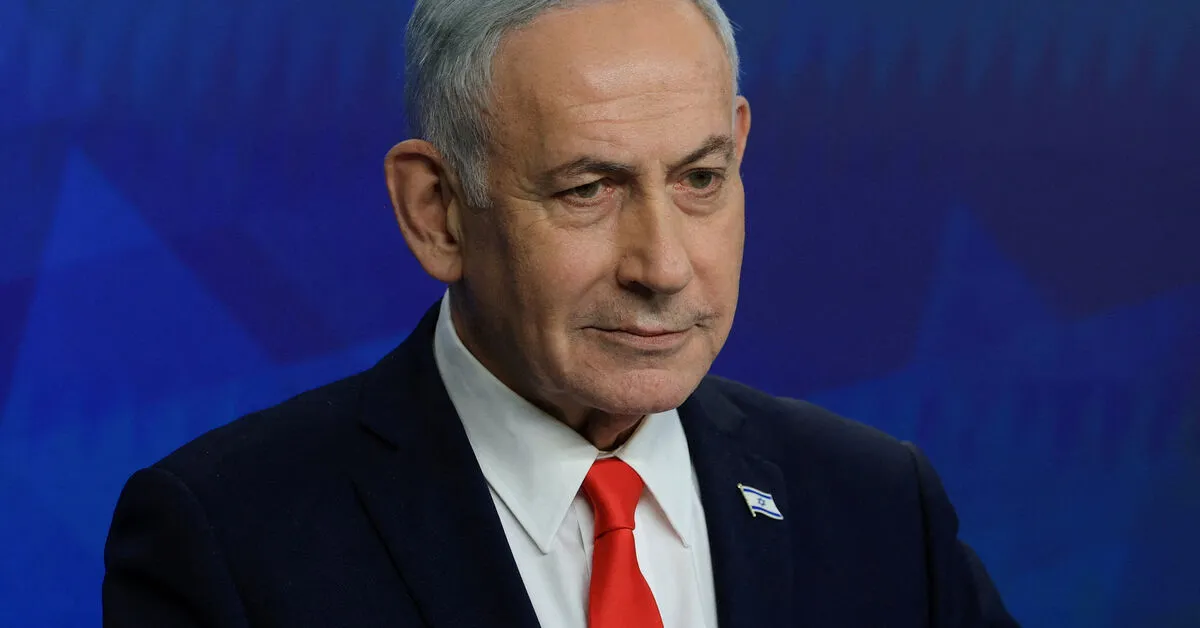
The conflict is amplified by growing resentment among secular Israelis, many of whom are serving in the military, over the exemption from mandatory service granted to ultra-Orthodox men who pursue religious studies. Secular citizens also express frustration over the political influence wielded by the ultra-Orthodox community, particularly under Prime Minister Benjamin Netanyahu's government, which has relied on their support. Many secular Israelis feel the ultra-Orthodox community benefits from state stipends and exemptions while not contributing equally to national defense or societal obligations.
This friction comes as Israel navigates the aftermath of the October 7th attacks and continues military operations. While secular Israelis identify with the national security challenges and military service, there is a perception that the ultra-Orthodox community is insulated from these burdens. The cafe's owner, identified as a supporter of Christian outreach to Jews, has become a symbol in this dispute, though customers emphasize their concern is with basic freedoms rather than the owner's specific religious affiliations.
Sociological data indicates a complex trend within Israeli society. While a majority of Jewish Israelis identify as secular, there has been a simultaneous demographic shift with religious populations growing. This dynamic, coupled with political shifts towards the right and the impact of the recent conflict, has intensified the debate over the role of religion in public life and governance. Activists on both sides are entrenched, with secular groups advocating for individual freedom in observing traditions and religious groups emphasizing adherence to religious law and community values.
The protests at Cafe Basimta are set to continue, underscoring the persistent societal fault lines in Israel. As the conflict gains wider recognition, the cafe has seen increased patronage, suggesting a growing number of secular Israelis are asserting their right to choose how they observe days of rest and engage with public spaces, irrespective of religious objections.