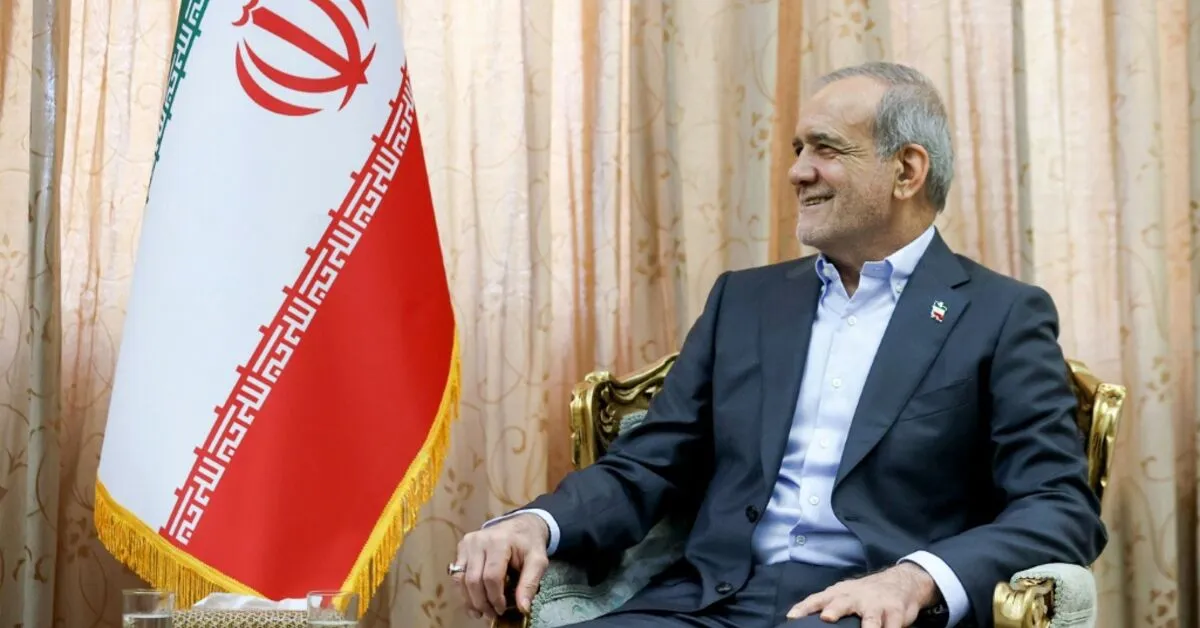
Iranian President Masoud Pezeshkian stated Friday that the time has come to conclude the ongoing Middle East conflict, asserting that Tehran currently holds a stronger position than Washington.
Pezeshkian made these remarks during a meeting with medical professionals, emphasizing the strategic advantage Iran possesses. He also addressed a recently concluded memorandum of understanding with the United States, designed to end the protracted war. The president defended the agreement, stating that it does not represent a capitulation by Tehran and that all commitments are incumbent upon the other party.
His comments emerge weeks after Iran's Supreme Leader, Mojtaba Khamenei, indicated his approval of the war-ending deal, despite expressing reservations. Hardline members of the Iranian parliament have also voiced criticism, accusing the government of making concessions to the U.S., particularly concerning the reopening of the strategically vital Strait of Hormuz.
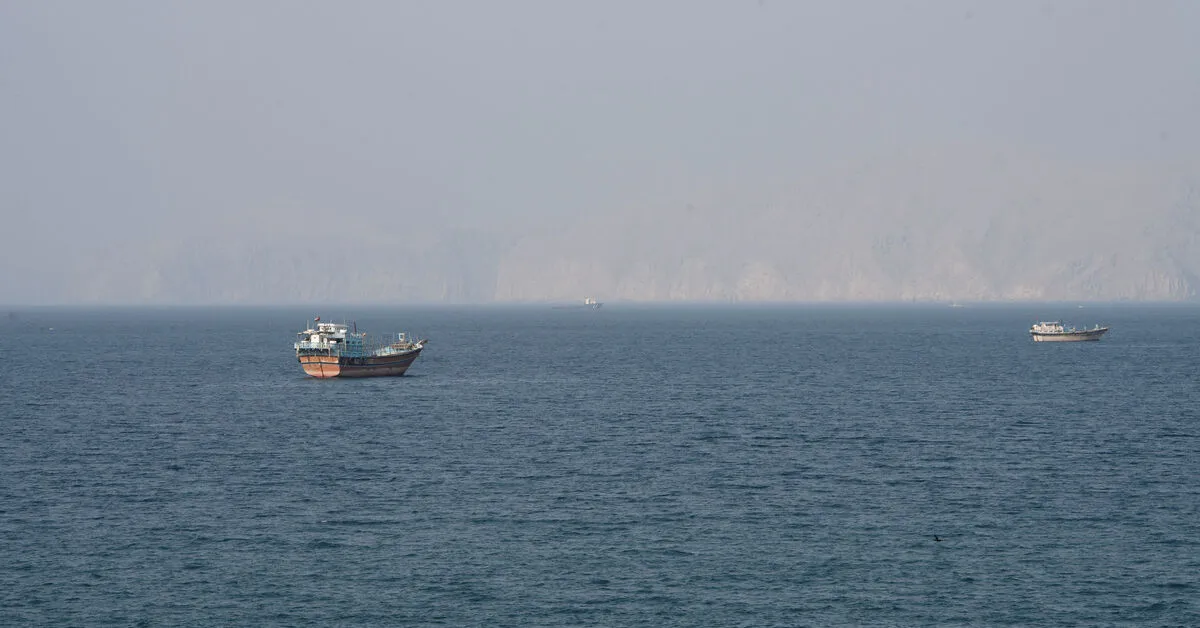
Reports from U.S. media suggest that the American navy is facilitating the passage of oil tankers through the southern sector of the Strait of Hormuz, enabling the export of significant quantities of oil daily. This comes as the U.S. has indicated its intention to increase sanctions against Iran, a move condemned by Tehran as "economic terrorism" and "crimes against humanity." U.S. Treasury Secretary Scott Bessent has vowed to pressure the Iranian regime through these economic measures.
The U.S. strategy appears to be shifting towards economic pressure rather than military operations, a move that has drawn criticism from China. A Chinese foreign ministry spokesman stated that sanctions and pressure are not conducive to resolving the conflict and called for diplomatic solutions. U.S. Treasury Secretary Bessent is expected to provide further details on the expanded sanctions campaign. Iran's Foreign Minister Abbas Araghchi characterized the U.S. economic plan as a diversion from its own domestic economic challenges.