Iran has issued a stark warning to its Gulf neighbors, threatening retaliation against any nation that cooperates with the United States in its escalating economic pressure campaign. The statement comes in response to President Trump's declared "Economic D-Day" targeting the Iranian economy.
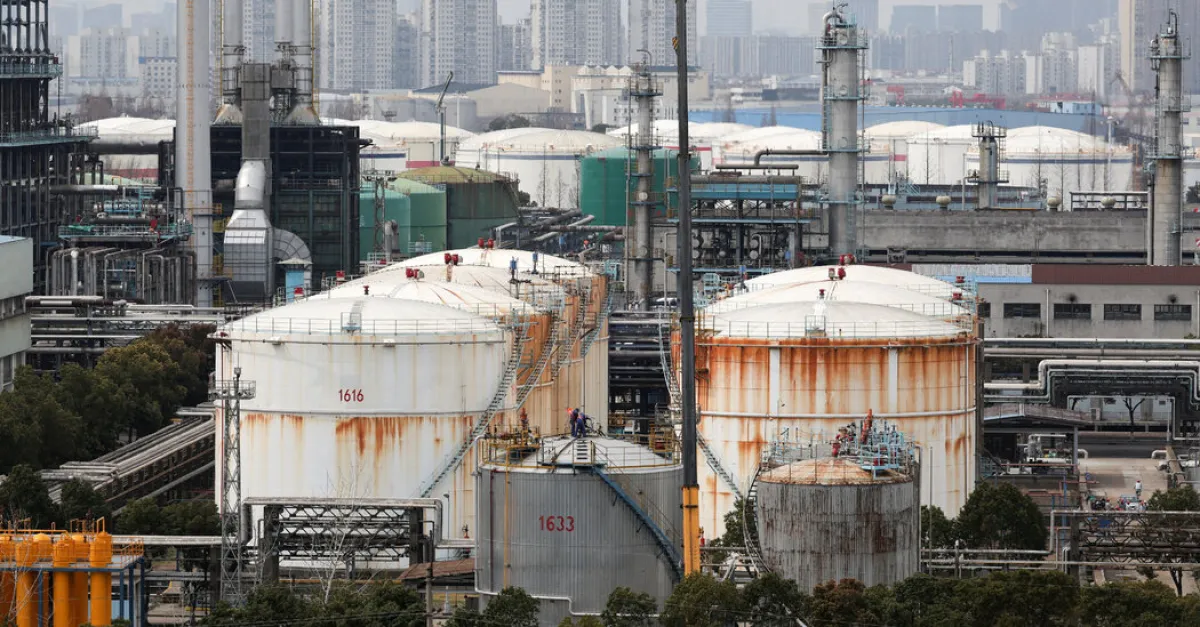
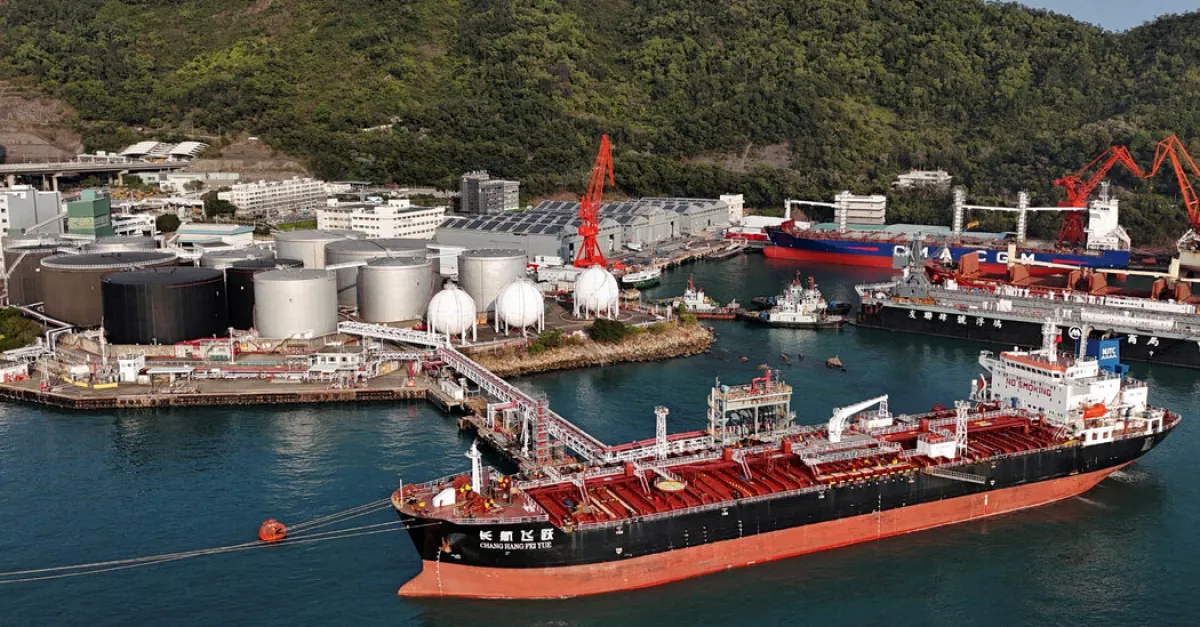
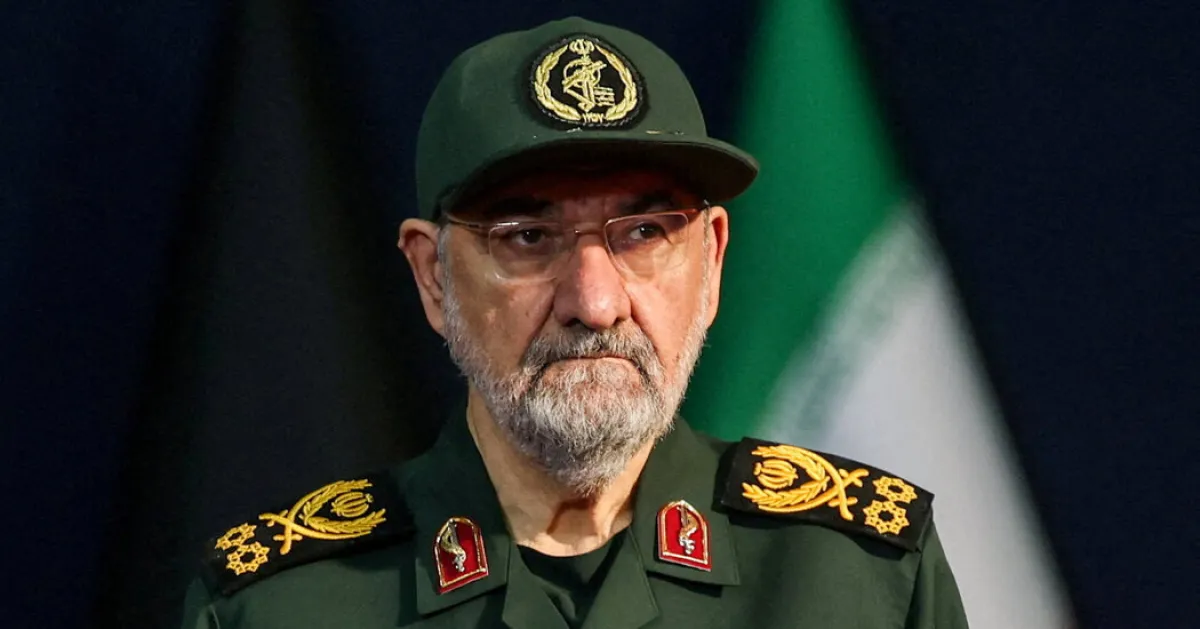
Mohsen Rezaei, Iran's newly appointed security chief, declared on Saturday that Tehran would target the interests of oil-rich regional states if they align with U.S. efforts to further isolate Iran. Rezaei, a hard-liner and former head of the Revolutionary Guards, vowed that Iran would take measures to halt "even a single drop of oil" from leaving the region. He emphasized in an interview with Iranian state broadcaster that any country becoming a partner in economic restrictions against Iran would be considered an enemy.
The interview marked Rezaei's first extensive public comments since assuming his new role two weeks ago, adopting an assertive stance consistent with Iran's evolving regional strategy. During the interview, he raised the provocative question of whether Iran should pursue nuclear weapons, a capability Tehran has consistently denied intending to develop.
Mohammad Ghaderi, a foreign affairs expert based in Tehran, commented that Iran's new leadership, which has taken over from figures perceived as more cautious and who were casualties of recent U.S. and Israeli actions, is shifting the nation's deterrence strategy. This shift, according to Ghaderi, moves from purely defensive measures to an offensive approach across all domains, including the economy.
Ghaderi further explained that Tehran aims to significantly increase the costs for the United States and its allies. "This conveys the message that the cost of continuing hostility toward Iran will have far more extensive consequences for Washington and its allies than in the past," he stated, underscoring Iran's intent to deter further economic aggression through a credible threat of broader regional repercussions.