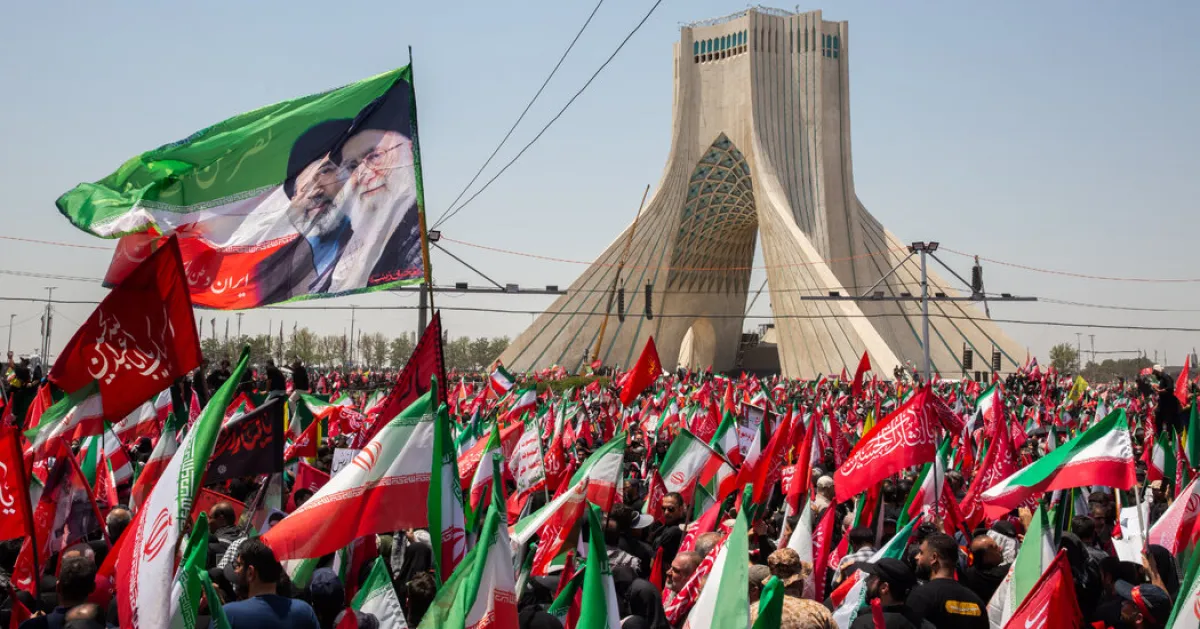
The United States and Iran failed to meet a 60-day deadline to finalize a comprehensive agreement aimed at curtailing Iran’s nuclear program, a development that signals a breakdown in the cease-fire brokered in June and casts doubt on President Trump’s promise to end the ongoing conflict.
The expiration of the deadline, largely symbolic given recent statements from both American and Iranian leadership indicating the deal's demise, underscores the challenges President Trump faces in achieving his foreign policy objectives, particularly regarding Iran's nuclear ambitions. It also highlights a perceived emboldening of the Iranian government, raising the risk of further military engagement.
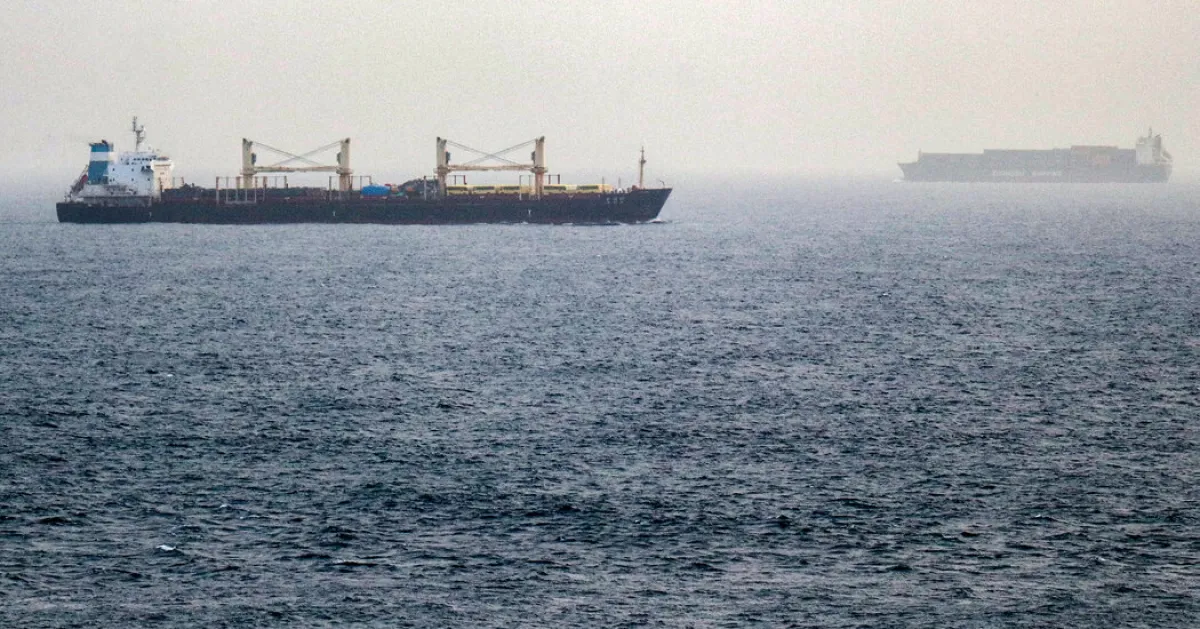
While public reports indicate no U.S. strikes on Iranian targets since late July, analysts suggest both nations are preparing for a prolonged period of economic pressure. Iran continues to leverage its control over the Strait of Hormuz, a vital energy shipping route, to influence global markets and pressure the Trump administration.
In response, the Trump administration has reinstated sanctions waivers on Iranian oil and reimposed a naval blockade on Iranian ports. The strategy aims to exert economic pressure on Iran to secure concessions. However, Iranian leadership appears confident in their ability to withstand further economic hardship, particularly with U.S. midterm elections approaching in November.
“The Islamic republic is trying to put the economic crunch on America, and America is trying to put the economic crunch on the Islamic republic,” stated Behnam Ben Taleblu, an Iran expert at the Foundation for Defense of Democracies. This indicates a mutual strategy of economic attrition rather than immediate de-escalation.