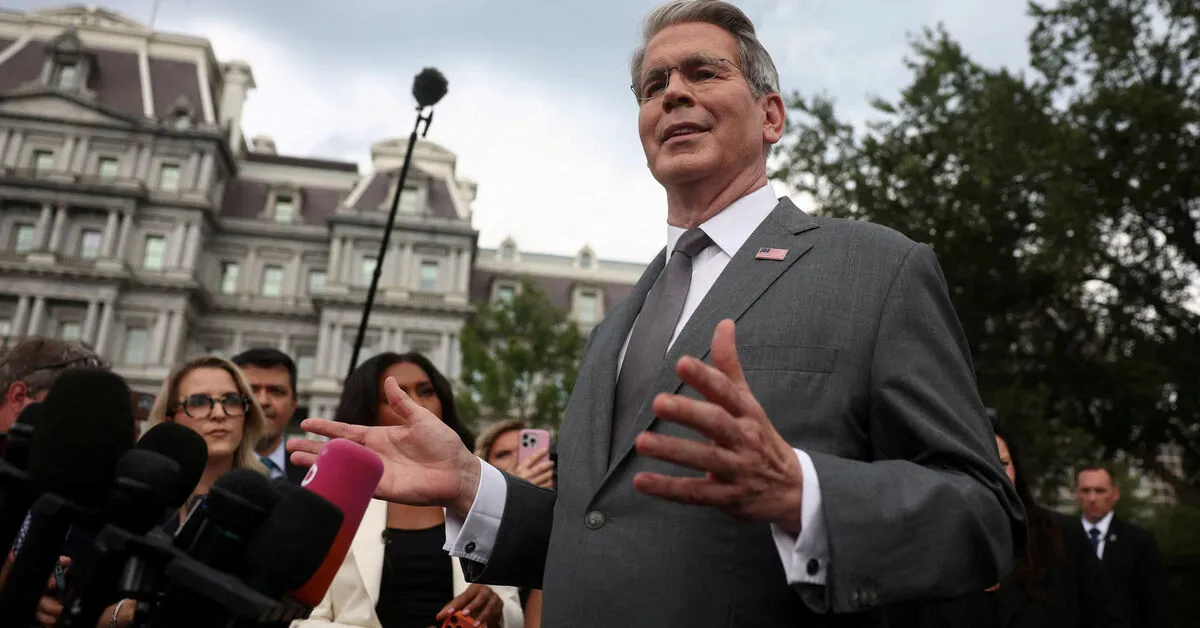
The United States is set to implement extensive economic sanctions against Iran, which Treasury Secretary Scott Bessent has described as "the greatest financial offensive ever marshalled," while Tehran has warned it will halt all oil exports from the Persian Gulf if the economic pressure continues.
The U.S. Treasury Department announced that Secretary Bessent would hold a press conference to detail further stringent measures against Iran, a nation that has faced persistent economic sanctions since the 1979 Islamic Revolution. Bessent, in an opinion piece published in the Financial Times, characterized the impending sanctions, set to begin on Monday, as an "economic D-Day."
This escalation occurs amidst a prolonged period of military inactivity between the U.S. and Iran, though diplomatic efforts to resolve the six-month conflict have remained stalled. The conflict, which commenced on February 28, has resulted in significant casualties, particularly in Iran and Lebanon, and has severely degraded Iran's conventional military capabilities. While Iran's nuclear program remains a point of contention, the precise extent of its current capacity is unknown.
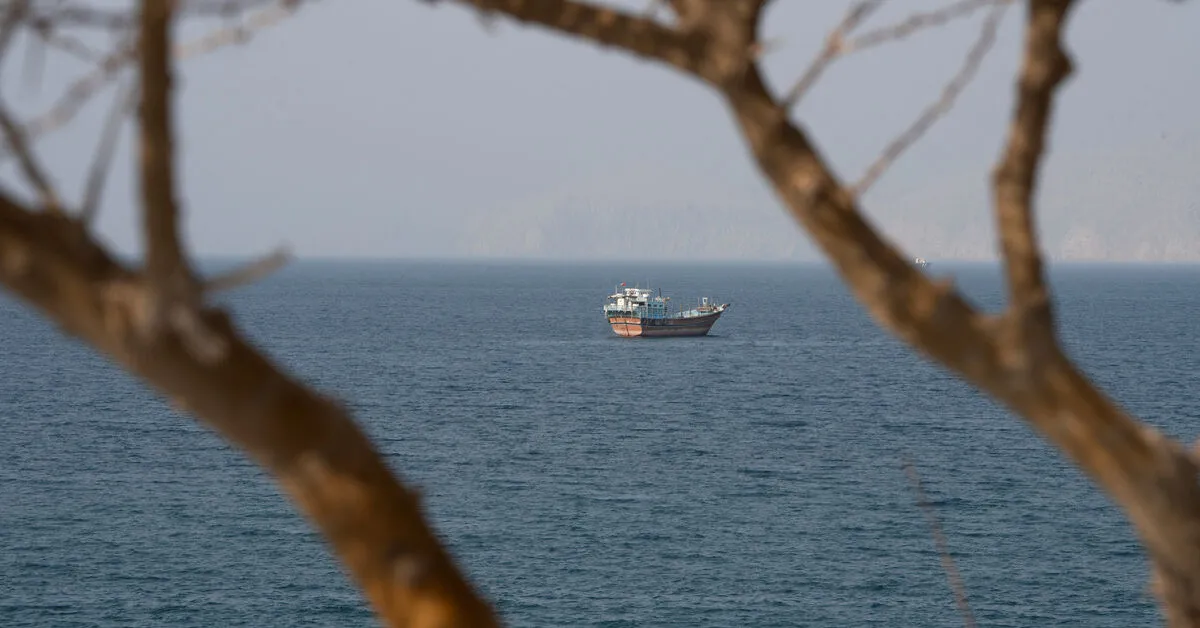
Despite Iran's diminished conventional forces, it retains missile and drone capabilities that have been used to threaten neighboring Gulf states and disrupt shipping in the Strait of Hormuz, impacting global fuel prices. Secretary Bessent indicated that the new U.S. sanctions would target countries perceived as engaging with Iran's economy and financial system, issuing a veiled warning about the consequences of such engagement.
In response, Iran has issued strong statements regarding potential military and economic retaliation. Mohsen Rezaei, secretary of Iran's Supreme National Security Council, stated via social media that "not a single drop of oil will be exported" if the economic war persists, and that any nation supporting U.S. sanctions would be considered an "act of war." China's embassy in Washington has responded to U.S. overtures by stating that sanctions are not a solution and advocating for diplomacy.
Iran's economy is already strained by existing international sanctions and the impact of recent conflict-related infrastructure damage. Officials have expressed concerns that further economic hardship could exacerbate internal unrest and diminish the legitimacy of the Islamic Republic. The nation faces significant economic challenges, including high inflation, a devalued currency, energy shortages, and the costs associated with rebuilding damaged infrastructure and trade routes.
While direct high-level talks between the U.S. and Iran have been absent since June, intermediary efforts are ongoing. Pakistan's Army Chief, Asim Munir, is scheduled to visit Tehran to discuss regional peace and security, with sources indicating that the U.S. sanctions threat will be a key topic. The ongoing conflict, marked by U.S.-Israeli strikes on Iran and Israeli attacks in Lebanon, has led to thousands of deaths and millions displaced, with the U.S. reporting military casualties.