Many kitchen composters promise nutrient-rich soil, but most just grind and dry food scraps, significantly reducing waste volume and odor without creating true compost.
The idea of a countertop kitchen composter that magically transforms your daily food waste into garden-ready compost sounds amazing. However, the reality is that most of these electric gadgets primarily function as food scrap dryers and grinders. While they do a great job of reducing waste volume and eliminating unpleasant smells, they don't produce the kind of fully decomposed compost you'd buy at a garden center.
These machines can reduce the amount of food waste sent to landfills, which is a significant environmental benefit. Food waste makes up a substantial portion of municipal solid waste, and its decomposition in landfills releases methane, a potent greenhouse gas. While not creating true compost, the processed scraps can be mixed into potting soil in small ratios or added to a traditional compost pile. Some users also appreciate that these devices make them more aware of their food waste habits.
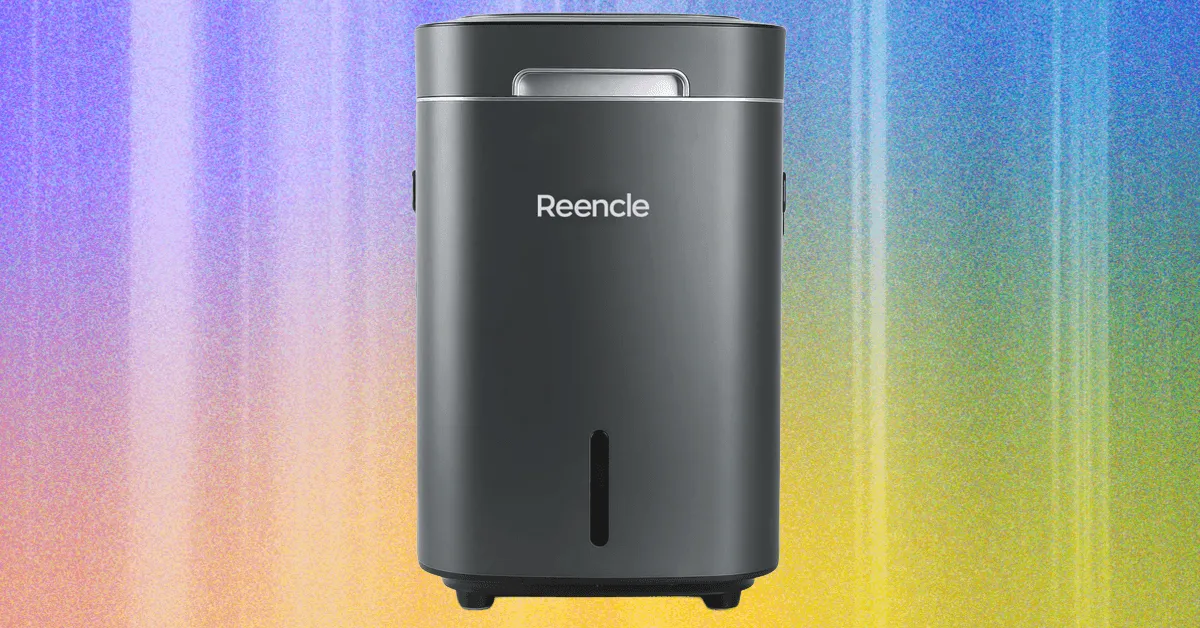
The Reencle Prime stands out as the closest to producing actual compost. It uses thermophilic microbes and breaks down scraps into a dirt-like material. While it can accept meat and dairy and handle daily waste, its larger sibling, the Reencle Gravity, offers more capacity and operates more quietly. Both models require the processed material to be cured for several weeks before it can be used in gardens.
Other options like the Lomi 3 and FoodCycler Eco 3 are effective grind-and-dry recyclers. They significantly reduce waste volume and odor, making them practical for those looking to minimize trash or comply with local composting regulations. While they don't create compost, their ease of use and waste reduction capabilities make them valuable tools for many households.
For budget-conscious consumers, the Airthereal Revive R800 offers a more affordable grind-and-dry solution, though it lacks some of the user-friendly features of higher-end models. The Mill provides the largest capacity and a unique service for shipping processed scraps to a farm for repurposing, addressing the challenge of what to do with the reduced waste.
For those seeking a more traditional, albeit hands-on, approach, the bokashi method offers anaerobic fermentation. While it requires more manual effort and can produce an odor reminiscent of kombucha, it's a favored method for some due to its nutrient retention properties.