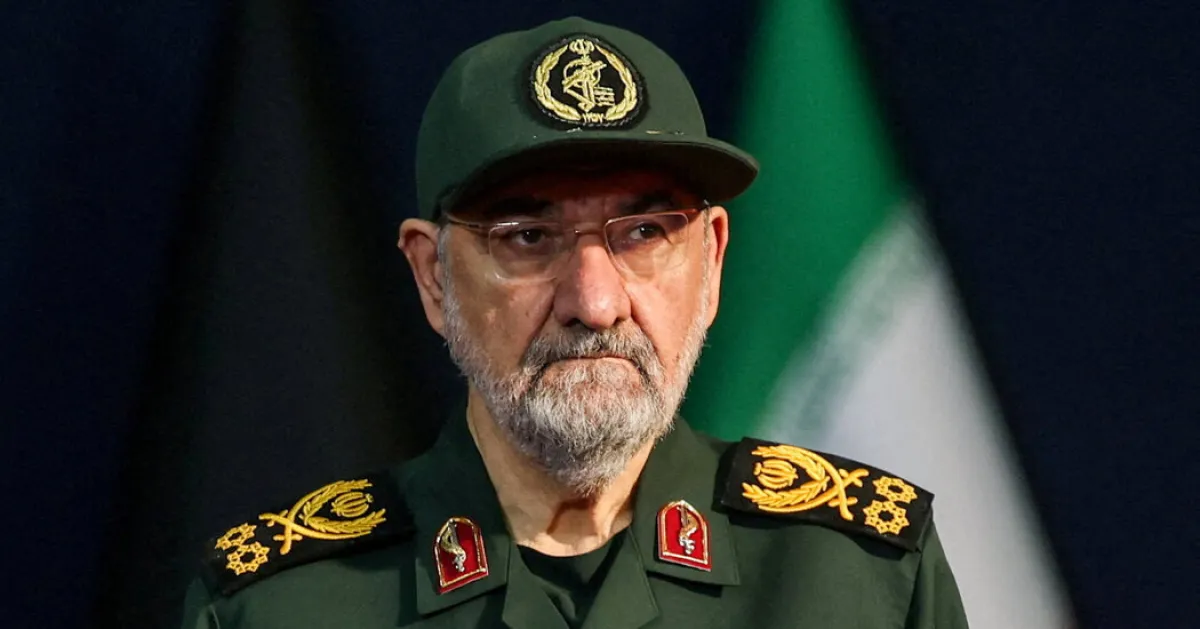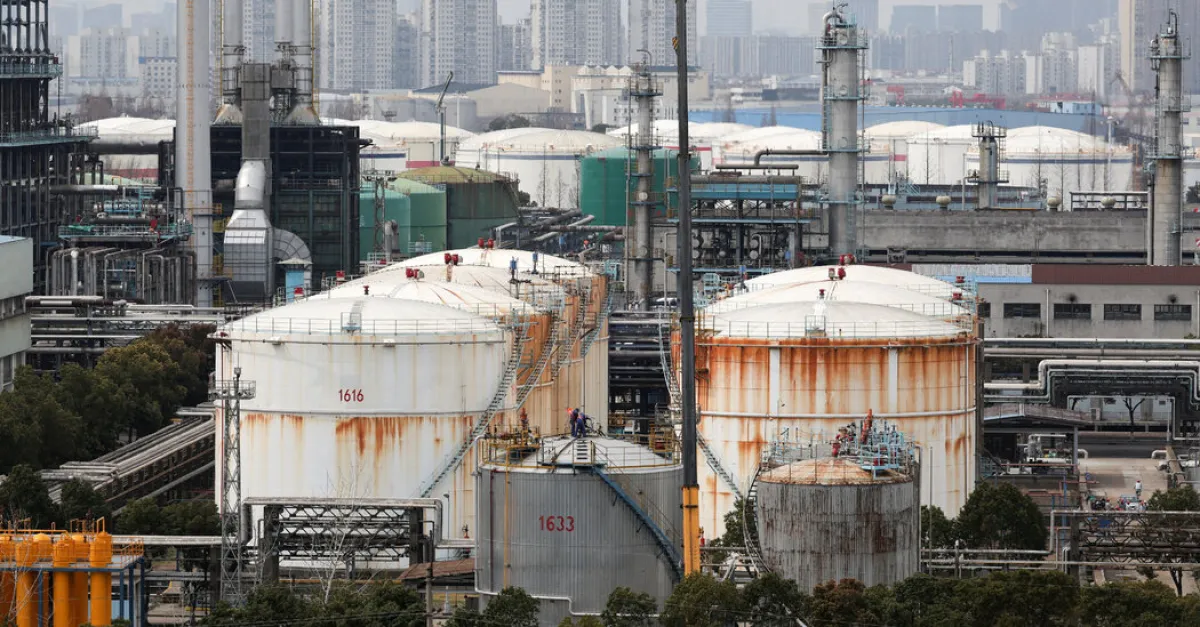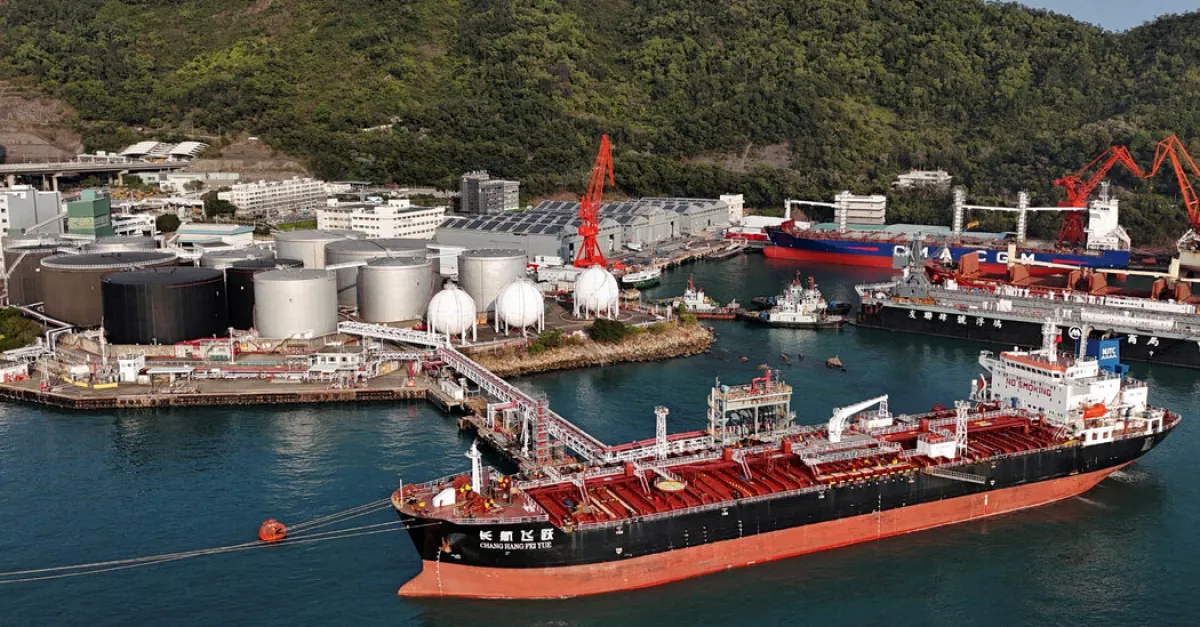
Six months after a United States and Israel attack on Iran on February 28, the global economic landscape has been significantly reshaped, with oil prices surging, interest rates climbing, and stock markets experiencing downturns. The immediate aftermath saw a 34 percent increase in gasoline prices for American consumers as energy flow from the Persian Gulf was disrupted.
Currently, the conflict has settled into a tense stalemate. While oil shipments have resumed, volumes are reduced, and energy prices remain elevated. Maritime traffic, though operating on altered routes and with reduced frequency, is ongoing. Investors have largely shifted their focus from these markets to other concerns.
The price of oil has risen by over 20 percent, currently standing at $89 per barrel, a 23 percent increase from pre-war levels. This escalation impacts the cost of numerous products, including gasoline and plastics. Despite the significant disruption in a crucial oil-producing region, global energy markets have demonstrated resilience.
Several factors contribute to this adaptability. Nations heavily reliant on Middle Eastern oil have reduced their consumption. Strategic petroleum reserves were tapped by the United States and other governments. Increased oil production from the Americas and innovative export strategies from Gulf nations, despite transit risks, have supplemented supply. Notably, China, a major oil importer, significantly curtailed its purchases, a development that surprised many analysts.
Future price movements will hinge on the duration of U.S. and Iranian interference in the Strait of Hormuz and potential changes in Chinese import levels. The market appears to be adapting to a new equilibrium. A more pressing concern is the impact of ongoing conflicts, including those in the Middle East and Ukraine, on refinery capacity, which has led to a global reduction in the ability to process crude oil into gasoline and diesel, further exacerbating fuel costs.