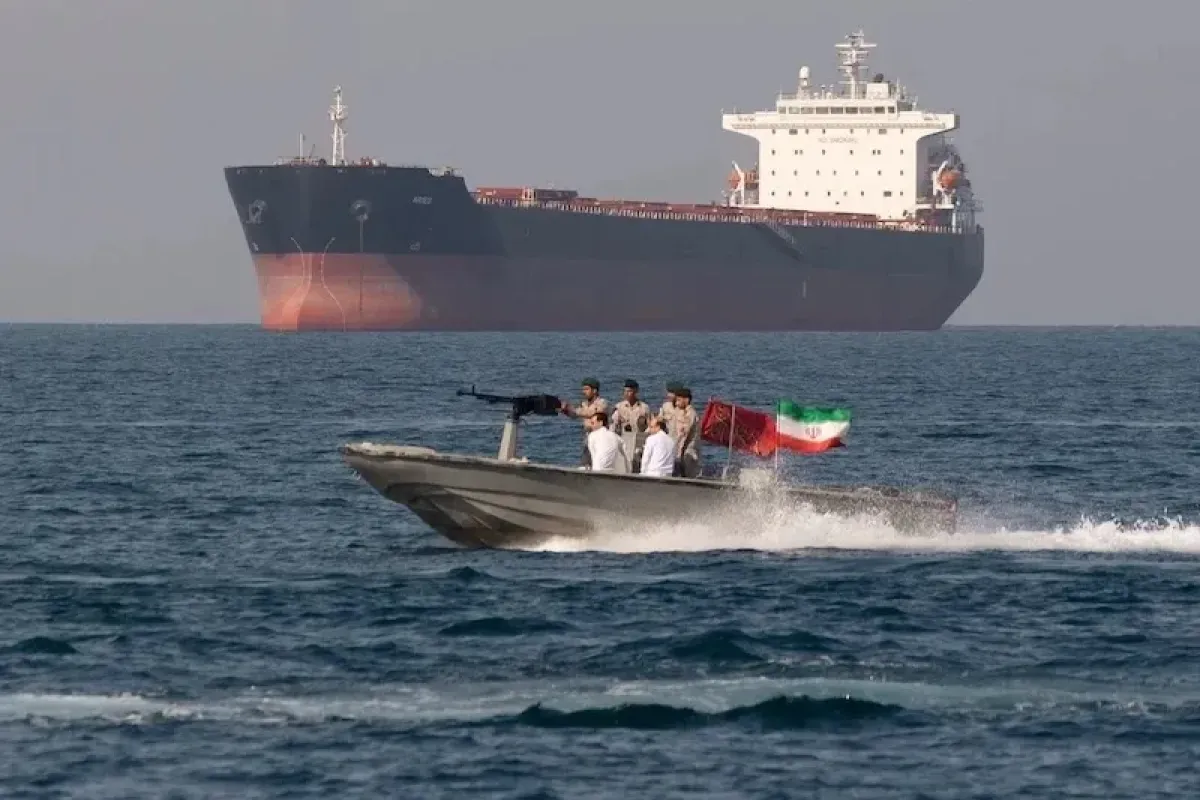
The United Arab Emirates has escalated its rhetoric towards Iran, deeming the recent attack on the Saudi tanker 'Sadir' in the Strait of Hormuz a grave threat to international maritime security. The UAE asserted that the incident, which resulted in the deaths of two crew members, highlights the dangers of targeting commercial shipping and attempts to weaponize vital waterways for economic coercion.
The UAE Ministry of Foreign Affairs vehemently condemned the attack, characterizing it as a significant menace to the safety and security of global navigation and a dangerous escalation aimed at undermining stability in one of the world's most critical maritime passages. Abu Dhabi emphasized that targeting commercial vessels or utilizing the Strait of Hormuz for political and economic leverage is unacceptable.
The Emirates warned that such actions not only target specific nations but also jeopardize international trade, global energy security, and pose greater risks to the world economy. The UAE stressed that the assault constitutes a flagrant violation of UN Security Council Resolution 2817, which mandates the protection of freedom of navigation and condemns attacks on commercial shipping and the disruption of international maritime routes.
Abu Dhabi declared its full solidarity with Saudi Arabia and pledged support for measures to safeguard Saudi vessels and interests, ensuring freedom of navigation in both regional and international waters. Saudi Arabia, in turn, condemned the attack on the 'Sadir' alongside alleged Iranian aggressions against Jordan, Bahrain, and Kuwait, calling for an end to escalation and respect for international maritime security, energy supply stability, state sovereignty, and international law.
The Saudi national shipping company, Bahri, confirmed that the 'Sadir' experienced a security incident while transiting the Strait of Hormuz on August 31, resulting in the fatalities of two Filipino crew members. The targeting of the 'Sadir' presents a renewed challenge to maritime security in the Gulf amid concerns that Iran may continue to employ maritime threats as a tool for political and economic pressure, potentially transforming vital international shipping lanes into arenas for negotiation and intimidation.