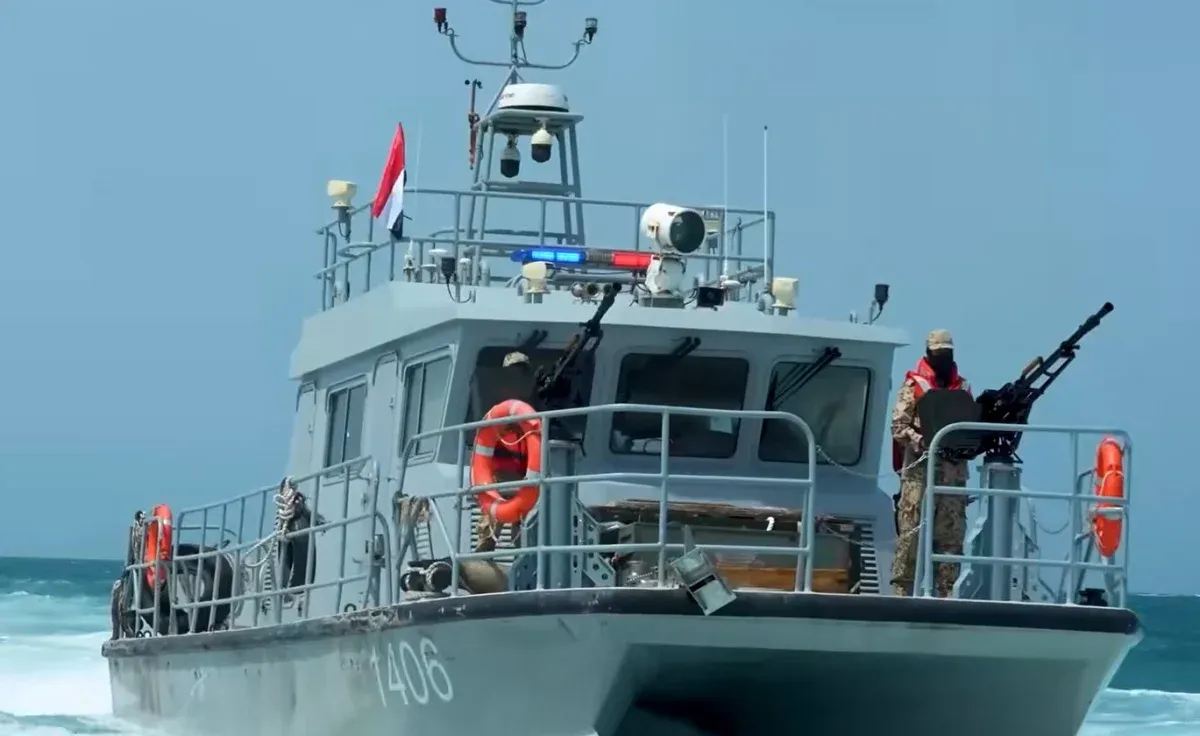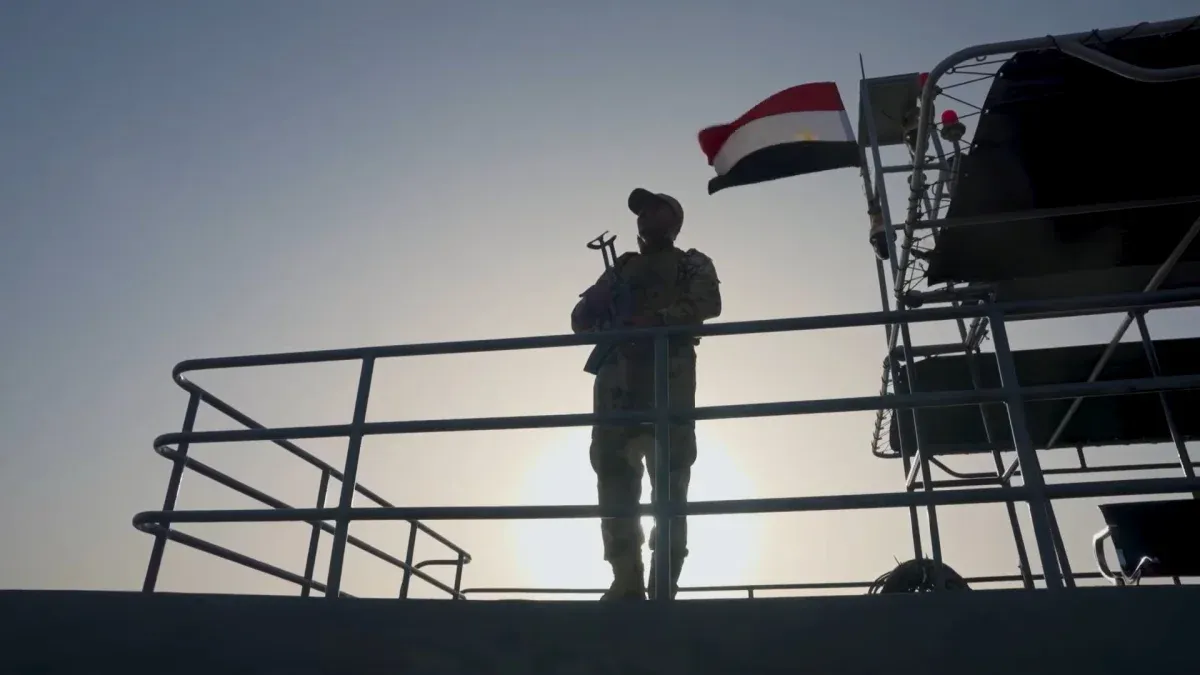
The Yemeni Naval Forces operating in the Western Coast near Bab al-Mandab have demonstrated a capacity exceeding their resources, effectively embarrassing coalition naval forces. Despite limited capabilities, they have successfully intercepted smuggling operations and thwarted attacks, highlighting a critical gap in existing maritime security efforts.
In late August, the Yemeni Naval Forces on the West Coast successfully intercepted a shipment of drones. This operation coincided with missile attacks, explosive boat assaults, and drone strikes, all of which were effectively countered by the Yemeni navy. This dual success, involving the foiling of attacks and the seizure of contraband, underscores the navy's high level of competence.
The evolving landscape of smuggling networks is increasingly complex, now involving multiple transfer points beyond direct Iranian ports or Bandar Abbas, which are under US sanctions. The Revolutionary Guard Corps employs sophisticated methods to circumvent naval patrols, utilizing diverse transfer methods across the waters of the Gulf of Oman, Arabian Sea, Gulf of Aden, and the Horn of Africa. The Yemeni navy, despite its modest means, continues to effectively disrupt these operations and intercept smuggled goods.
European and US declarations regarding maritime security and the protection of navigation, made in early August, have thus far yielded little tangible result. While expressing strong condemnation of threats and promising support for coast guard and naval capabilities, these statements have not translated into concrete action. Such pronouncements echo past assurances that have not led to significant improvements on the ground. The European approach often involves strong rhetoric without subsequent impactful intervention.
The forces operating along the West Coast continue to fight against overwhelming odds, driven by a profound commitment to their cause and country. Each success they achieve, overcoming their resource limitations, is met with significant praise and numerous promises, often followed by disappointment. While the urgent need for enhanced maritime security and support for the coast guard is evident, calls for a comprehensive political solution with those perpetrating maritime terrorism have been made, even as their attacks are being condemned.
Furthermore, European and US maritime missions, as well as UN inspection mechanisms, appear to prioritize the escort of Western commercial vessels and cargo over actively interdicting arms smuggling to Houthi forces. Their mandate is largely confined to protecting commercial shipping, and they do not typically intercept or inspect suspicious shipments. Reports from UN Security Council experts have documented instances of arms smuggling, both by sea and land via the Omani border, facilitated by forged documentation. Recently, Yemeni naval and coast guard forces intercepted vessels with dangerous cargoes bound for the Houthis, which had previously been cleared by US naval units based on fraudulent permits falsely declaring the cargo as food items.
The persistent flow of illicit arms from Iran to the Houthis over the past decade, often overlooked or ignored by patrolling fleets, highlights a systemic issue. Hope now rests on the multinational maritime defense coalition being established and promoted by Saudi Arabia to enact meaningful change. There is an expectation that the Yemeni Navy and Coast Guard in the Red Sea and Bab al-Mandab will receive substantial support and resources, moving beyond the substantial but ineffectual Western and international promises that have yet to deploy a single vessel or boat into active service.