Prediction markets are facing increased scrutiny, with high-profile users like George Santos being banned and facing fines, and even leading to arrests in insider trading cases. This trend highlights the ongoing debate about regulation and the blurred lines within these platforms.
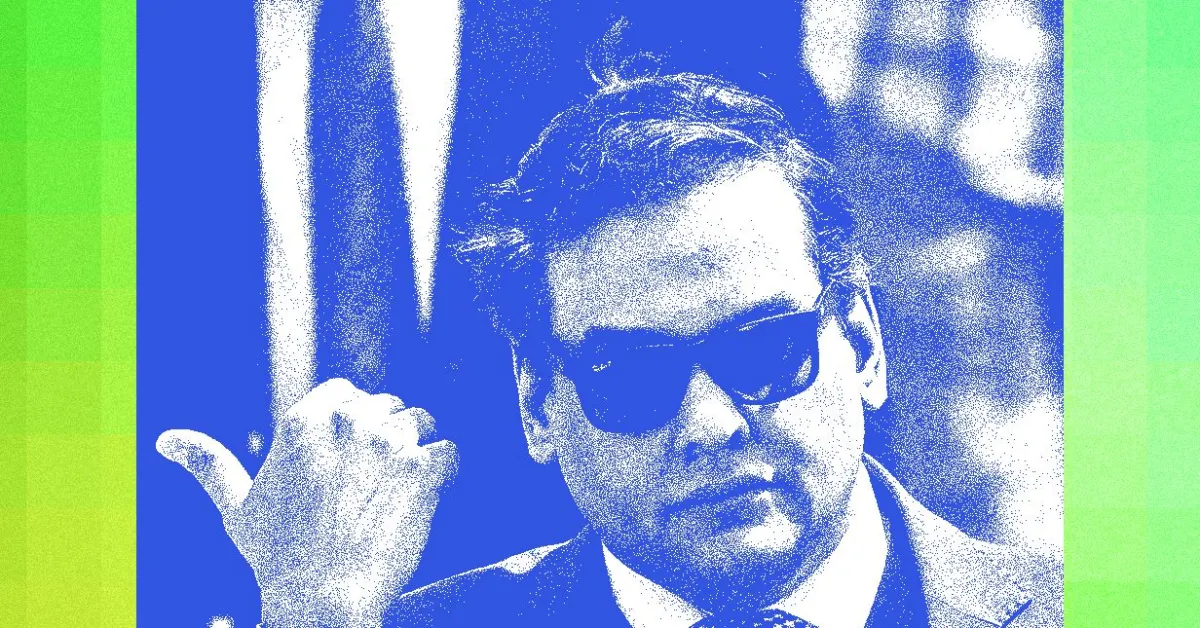
Former US Representative George Santos recently received a lifetime ban from the prediction market platform Kalshi and a hefty $71,000 fine. The penalty stems from allegations that Santos attempted to manipulate a market regarding his attendance at the State of the Union address. Kalshi, a federally regulated financial platform, has the authority to issue such fines, a detail many users may not be aware of. This incident adds to a growing list of politicians facing consequences on these platforms for perceived rule violations.
The situation is further complicated by a separate case involving a Google engineer accused of insider trading on the Polymarket platform. Unlike Santos, who was fined but not arrested, this engineer faces criminal charges. The defense hinges on the argument that the actions constituted international betting rather than illegal trading, raising questions about how existing commodities laws apply to prediction markets and wagers.
Beyond the financial markets, the discussion also touched upon surveillance technology. WIRED reporters recreated Flock's AI-powered search tool, which allows users to search for individuals based on descriptions and location. This technology, while potentially useful for law enforcement, has raised significant privacy concerns due to its broad capabilities and the potential for misuse.
Finally, the episode delved into the online discourse surrounding AI agents. A viral blog post anthropomorphizing AI models involved in a security incident at OpenAI sparked heated debate. The conversation highlighted the challenges of language used to describe AI behavior and the broader implications of advanced AI capabilities, with some arguing for caution and others viewing such discussions as attempts to stifle AI development.