Sanctions targeting Iran's oil sector are exacerbating a fuel crisis in Houthi-controlled areas of Yemen, as supply shortages lead to significant price increases for gasoline and diesel in Sana'a.
The escalating pressure on Iran, characterized by attacks on tankers, heightened risks in the Strait of Hormuz, and tightened oil transport regulations, is increasingly impacting markets under the Houthi militia's control. Reports indicate a reduction in fuel supplies and renewed congestion at oil product stations in Sana'a and other regions, coinciding with substantial hikes in fuel prices by the group.
These developments occur amidst reports of severe fuel shortages within Iran itself, leading to long queues, price spikes, and protests from truck and taxi drivers, attributed to refinery damage and import restrictions. Recent data further highlights the ongoing disruption to oil tanker traffic in the region, with a notable decrease in transits through the Strait of Hormuz, raising concerns about broader impacts on energy supplies.
The fuel crisis in Houthi-controlled territories appears intrinsically linked to these global dynamics. U.S. sanctions have previously targeted networks involved in smuggling Iranian oil to Yemen, including companies, intermediaries, and vessels accused by the U.S. Treasury Department of facilitating the delivery of oil products to the Houthis via the ports of Hodeidah, Ras Isa, and Salif. The Treasury has asserted that the Houthis rely on a network of shell companies and commercial fronts to procure Iranian oil and sell it within the Yemeni market, generating significant financial revenue for the group.
With the tightening grip on Iranian supply channels, the Houthi militia's capacity to maintain a steady flow of petroleum products through the western coastal ports becomes more precarious, particularly given their reliance on smuggling and import networks tied to Iran. Washington has previously identified Hodeidah, Ras Isa, and Salif as primary conduits for oil product imports into Houthi-controlled areas.
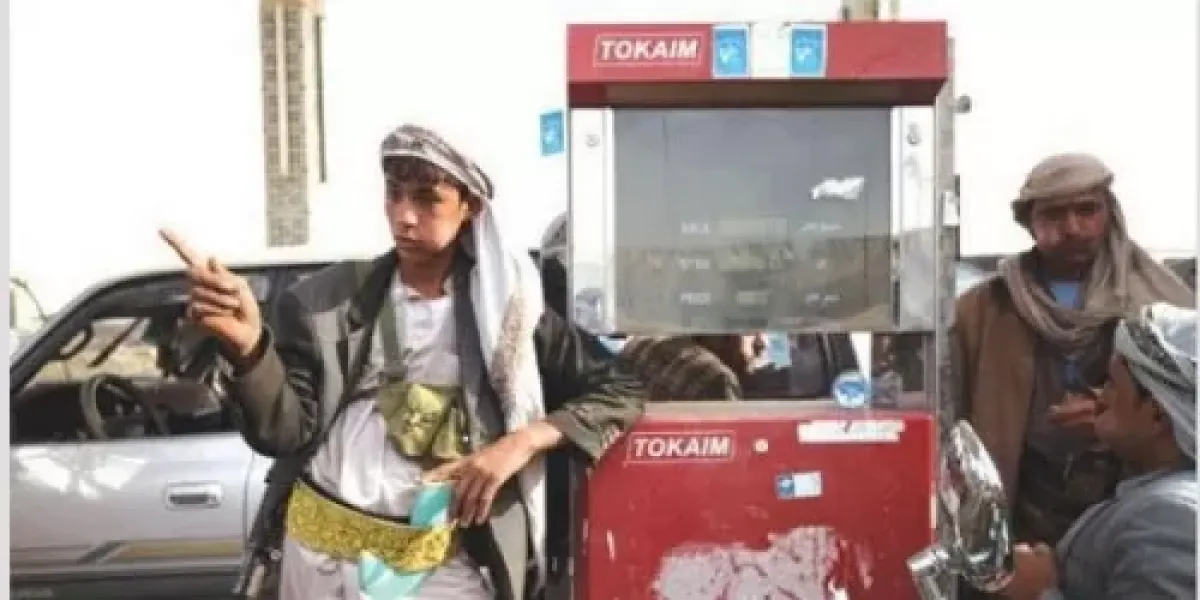
In response to these compounding pressures, the Houthi militia has implemented new fuel pricing, raising the cost of gasoline to 525 Yemeni rials per liter (10,500 rials per 20-liter container) and diesel to 575 Yemeni rials per liter (11,500 rials per container). This represents an increase of approximately 10.5% for gasoline (from 9,500 to 10,500 rials per container) and a steeper rise of about 21% for diesel (from 9,500 to 11,500 rials per container). The price adjustment was introduced abruptly at filling stations in Sana'a without a clear explanation from the Houthi-controlled Oil Company regarding the reasons for the increase or the new pricing mechanism.
This price hike carries additional significance, as fuel prices in Houthi-controlled areas had reportedly remained stable at 9,500 rials per container for the past four years. The unfolding situation reveals a dual crisis: first, Iran's diminished capacity to secure and export oil due to conflict, sanctions, and maritime disruptions; and second, the Houthi administration's management of domestic shortages. Instead of alleviating the burden on the population during a supply crisis, the price increase shifts the cost of Iran's disrupted supply network onto citizens already grappling with diminished purchasing power and rising living expenses in Houthi-controlled regions. This predicament is further amplified by widening disruptions in regional energy pathways, with Brent crude recently surpassing $100 per barrel and reports warning that continued instability in the Strait of Hormuz and attacks on oil infrastructure and routes could exacerbate global supply and price crises.