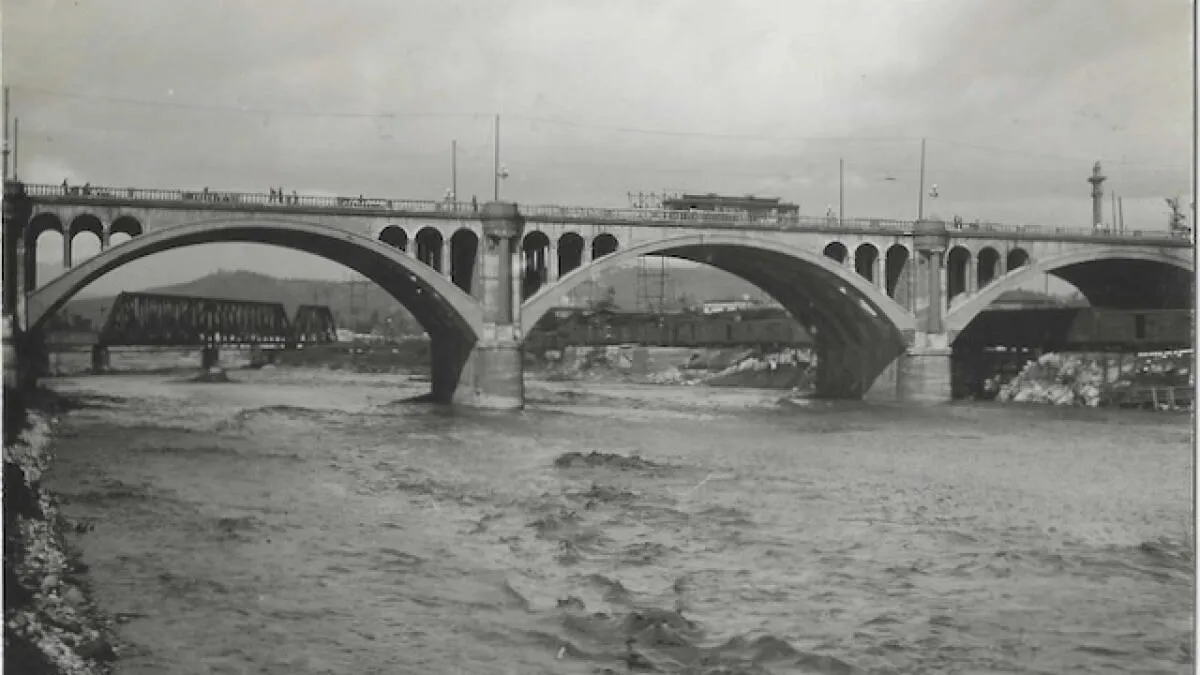
As El Niño approaches, Los Angeles faces a familiar threat, recalling a history of devastating floods that have repeatedly impacted the region. The coming storms evoke past events where heavy rainfall transformed the city and its surroundings into disaster zones, highlighting a recurring challenge for the sprawling metropolis.
The modern era has seen significant El Niño events, with March 1938 marking one of the most destructive. A deluge of nearly six inches of rain in 24 hours caused widespread flooding, even forcing the postponement of the Academy Awards. This event underscored the city's vulnerability, a vulnerability stemming from its geography: steep mountain watersheds that funnel immense volumes of water into the basin.
Historically, massive storms, not always linked to El Niño, have caused even greater devastation. The monumental floods of 1862, believed to be caused by atmospheric rivers, inundated vast areas of the West, from Arizona to Oregon. In California, this event led to widespread destruction of livestock and agriculture, with estimates suggesting thousands may have perished in the state. Los Angeles, then a smaller pueblo, also suffered immensely, with many residents rendered homeless and destitute.
In response to recurring flood threats, Los Angeles has undertaken significant infrastructure projects. The construction of the Los Angeles Aqueduct in 1913 aimed to secure water resources, but the city's natural waterways, like the Los Angeles River, continued to pose a danger. The 1914 floods, which destroyed crops and infrastructure, led to the establishment of a county flood control district. This marked the beginning of a transformation of natural waterways into engineered systems of dams, catch basins, and reservoirs.
Further catastrophic events, such as the mudflow in La Crescenta and Montrose on New Year's Eve 1933-1934, which killed dozens and devastated neighborhoods, prompted further action. The severe storms of early 1938, which turned the region into an inland sea and isolated communities, were particularly destructive, resulting in significant loss of life and property. These floods ultimately contributed to the federal flood control programs that led to the channelization of the Los Angeles River into its current concrete form.
While the concrete river system has protected the city from the worst floodwaters, it has also altered the landscape and created new challenges. The system efficiently diverts water away from populated areas, but this prevents natural groundwater recharge, a critical issue for a region that relies heavily on imported water. As El Niño approaches once more, the city's history serves as a stark reminder of its enduring vulnerability to water, both in abundance and scarcity.