Yemen's Houthi movement, once a modest highland militia, has transformed into a significant regional force capable of disrupting global shipping and striking critical infrastructure, following a recent rapid advance that brought the vital Bab el-Mandeb Strait under its control.
Originating in the late 1990s as a Zaydi Shi'ite revival movement led by the Houthi family in northern Yemen, the group established a robust local militia and engaged in six conflicts with the central government. The disintegration of Yemen's state apparatus during the 2011 Arab Spring provided an opportunity for the Houthis to expand their influence and forge relationships with Iran and Hezbollah. By 2014, they had seized the capital, Sanaa, prompting a Saudi-led military intervention that resulted in years of civil war and a subsequent stalemate, culminating in a 2022 ceasefire.
The recent collapse of the ceasefire has seen renewed fighting along established front lines. Last week, the Houthis achieved swift territorial gains in the southern Tihama region, securing the port city of Mocha and subsequently controlling the entire Red Sea coastline and adjacent islands. This strategic control positions them along the entirety of the 19-kilometer-wide Bab el-Mandeb Strait, enhancing their ability to impede Red Sea shipping, a crucial route for Saudi oil exports to Asia, and potentially enabling a new ground offensive towards Aden.
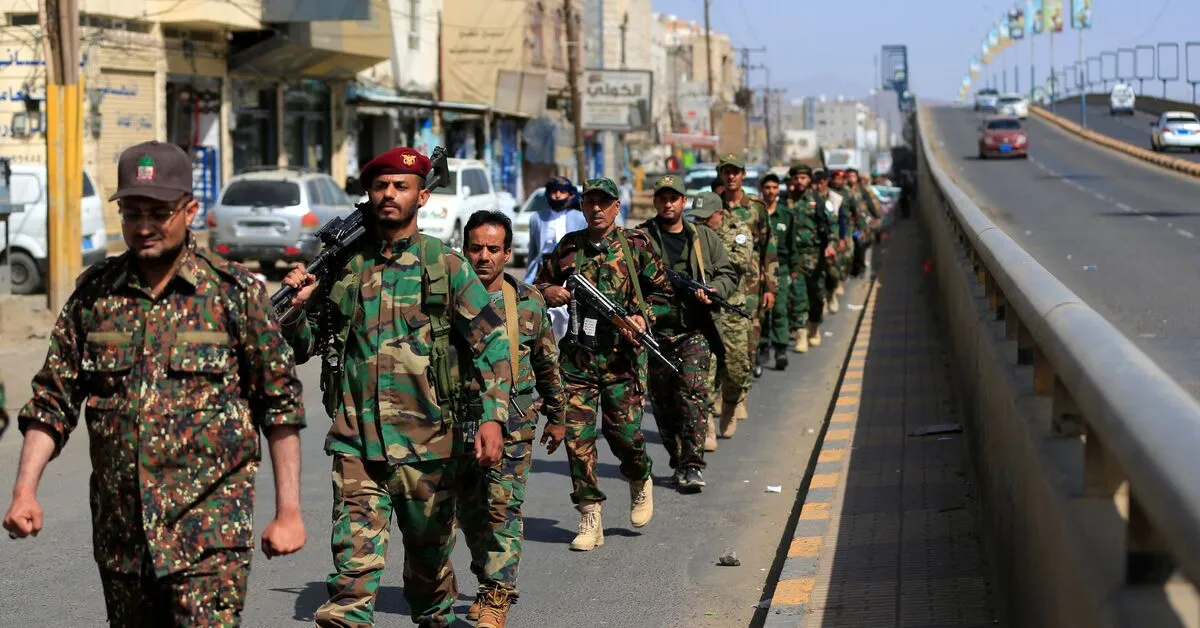
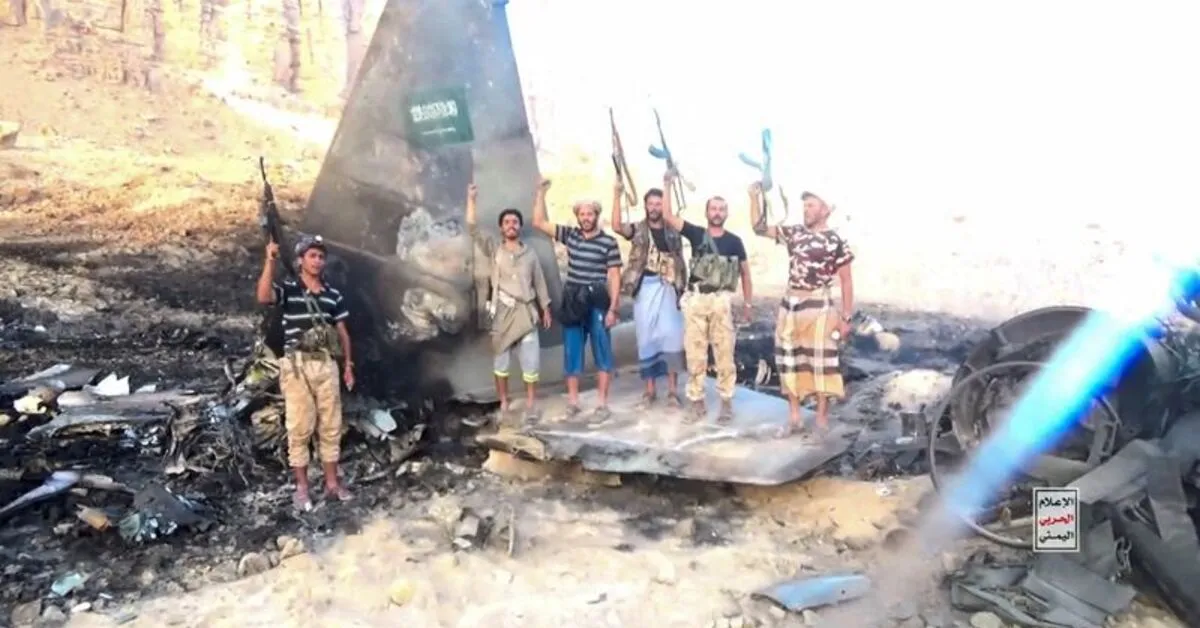
The Houthis' growing capacity for long-range strikes, demonstrated by ballistic missile attacks reaching Israel and frequent strikes on Saudi targets, underscores their heightened regional importance. Their capabilities extend to drones, which have been increasingly deployed on the battlefield and used against ships in the Red Sea, contributing to a halt in maritime traffic. Videos released by the group have showcased a variety of military equipment, including drones, rocket launchers, and various firearms, alongside captured armored vehicles and weaponry.
International assessments indicate that the Houthis have developed their missile and drone technologies through a combination of domestic manufacturing and technical assistance. Despite a United Nations arms embargo, widespread arms smuggling has been reported, including overland routes from Oman and seaborne operations. While Iran officially denies providing weapons, reports suggest Tehran has supplied both weaponry and expertise to its Houthi allies. A 2025 assessment by the International Institute for Strategic Studies noted that while domestic production has advanced, the Houthis remain reliant on Iran for key technologies and advanced capabilities.
Military analysts highlight that Iranian and Hezbollah training has been instrumental in the Houthis' evolution from a militia into a more organized military force. This training, reportedly initiated after the Arab Spring, has influenced their tactical approach, which focuses on infiltration, drone attacks, shelling, and the deployment of explosive devices. Estimates suggest the Houthi forces number around 350,000 fighters, partly due to the recruitment of individuals under 18.