Saudi Arabia is intensifying its security reassessments due to escalating Houthi attacks, coupled with the group's expanding influence along Yemen's western coast and proximity to the Bab el-Mandeb strait. This situation arises amid diminishing prospects for direct U.S. military intervention and hesitancy from regional allies to engage directly in the conflict.
The recent developments reveal a security dynamic more complex than a simple military confrontation between Saudi Arabia and the Houthis. Riyadh now confronts threats targeting its territory, oil facilities, and maritime routes. While external support is being provided in the form of intelligence, air defense, and political backing, a broad, direct military commitment appears absent.
Crown Prince Mohammed bin Salman had reportedly requested U.S. assistance against the Houthis. However, reports indicate Washington does not currently intend to engage militarily but is offering support in intelligence sharing, targeting, and planning. U.S. sources have also confirmed the presence of a U.S. Central Command task force dedicated to enhancing information exchange and planning support with Saudi forces.
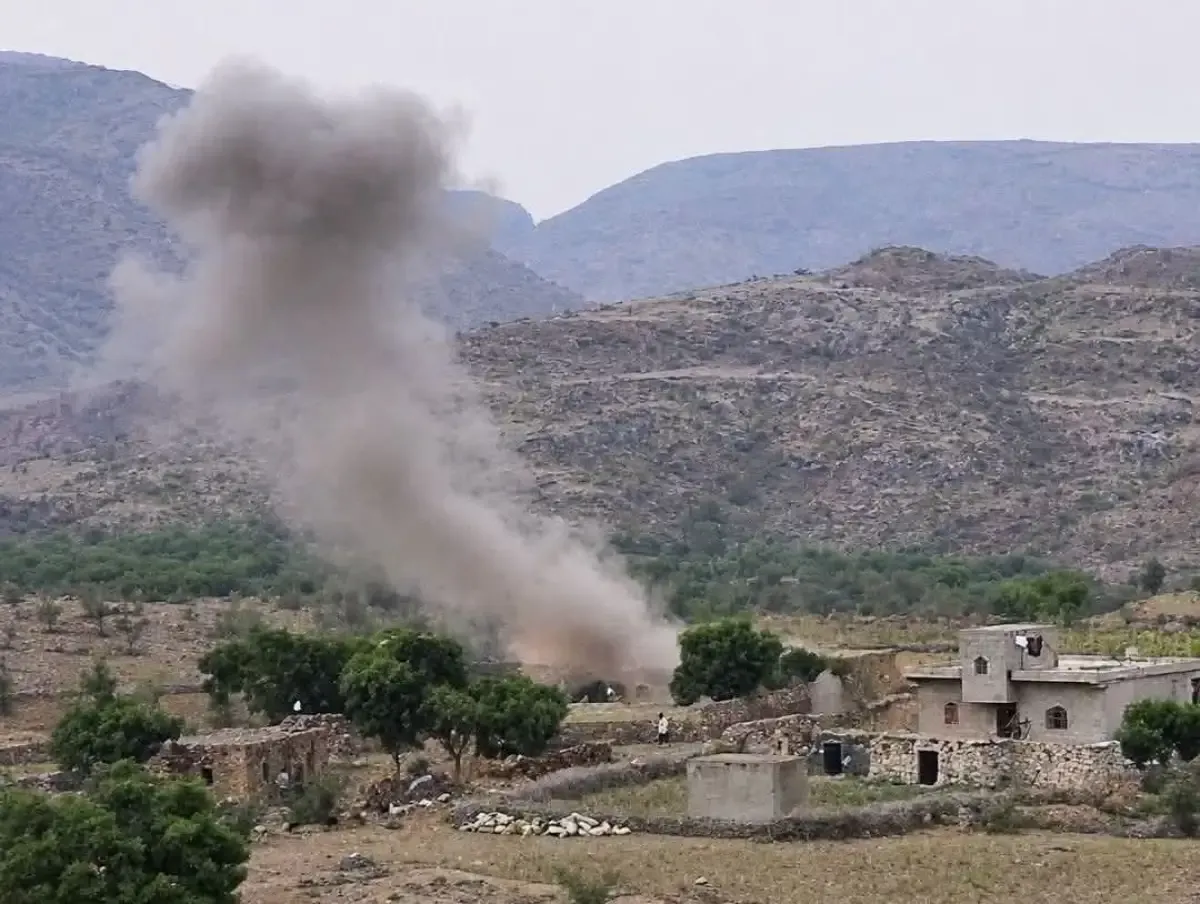
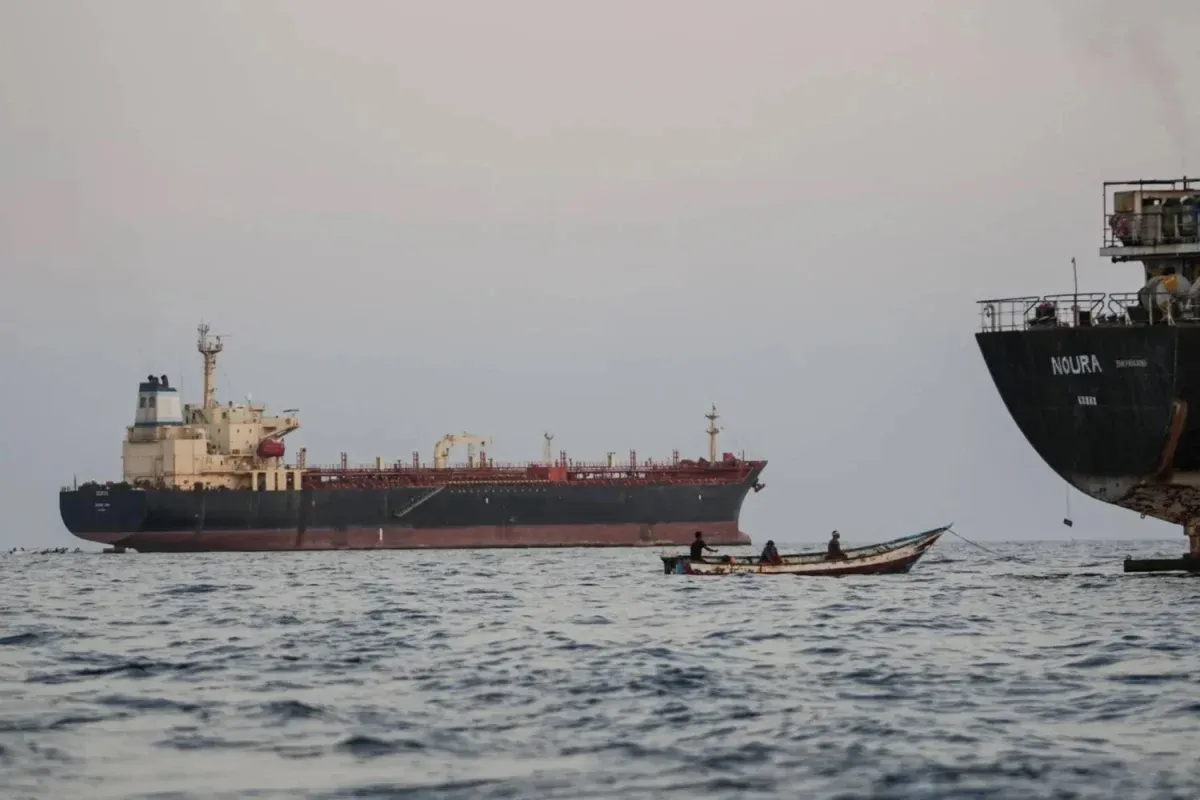
Concurrently, the Houthis have achieved battlefield gains on the western coast, seizing strategically important sites and islands near the Bab el-Mandeb. These advances coincide with attacks on Saudi territory and infrastructure. International reports suggest these developments have heightened pressure on Riyadh, increasing risks to oil exports and Red Sea navigation.
Amidst this pressure, Israeli reports have emerged detailing communications between Riyadh and Tel Aviv, facilitated by U.S. Central Command (CENTCOM). The discussions reportedly focus on intelligence support to aid Saudi Arabia in countering the Houthis, improving their ability to track movements, target positions, and protect vital installations. Israeli reports indicate that current communications are centered on intelligence and early warning, while regional sources have confirmed to The Jerusalem Post the existence of CENTCOM-mediated talks for this purpose.
These communications carry particular sensitivity as they occur between two nations without formal diplomatic relations. Saudi Arabia publicly maintains its position that any normalization with Israel is contingent upon the establishment of a Palestinian state. This suggests that potential security cooperation might operate as a separate channel, though it could develop into an indirect political conduit if the conflict and security needs persist.
Conversely, Israel itself appears reluctant to become directly involved in the Yemen conflict. The Times of Israel, citing an Israeli intelligence source, reported that the Israeli security establishment opposes preemptive action against the Houthis and prefers to avoid direct entanglement in the Saudi conflict, instead advocating for a broader international and regional coalition to counter the threat. This implies that any potential Israeli cooperation, in its initial phase, might be confined to information sharing, defense, and early warning, rather than direct military participation.
The significance of these communications extends beyond the military sphere. U.S. President Donald Trump's administration had previously linked a civilian nuclear agreement with Saudi Arabia to the Kingdom's accession to the Abraham Accords and normalization of relations with Israel. Trump explicitly stated that proceeding with the nuclear agreement was conditional on Saudi Arabia joining the Abraham Accords. In response, Riyadh has affirmed that normalization is not feasible without a clear and irreversible path toward the establishment of a Palestinian state, a stance reiterated in recent Saudi statements and positions.
The Houthi conflict thus emerges as a new factor in U.S. and Saudi calculations. If the confrontation evolves into a long-term threat to oil facilities, export routes, and Red Sea navigation, the importance of establishing a regional security framework involving the United States and its partners—potentially including Israel as an intelligence or defense component—could grow. However, the transition from security cooperation to political normalization is not automatic. Saudi Arabia's need for intelligence or air defense does not necessarily signify Riyadh's readiness to alter its stance on the Palestinian issue. Similarly, confirmed and sustained Israeli intelligence support does not automatically imply the formation of a declared Saudi-Israeli alliance.
In an alternative interpretation, Yemeni writer and analyst Nabil Sabei suggests that the pressures facing Riyadh have moved beyond financial matters to the more sensitive issue of normalization with Israel. Sabei argues that U.S. pressure on Saudi Arabia should not be viewed solely as a financial demand, given the substantial payments and investments Riyadh has already made to the United States during the current Trump administration. He posits that the issue may be linked to a more costly political and strategic path for the Kingdom, primarily normalization with Tel Aviv.
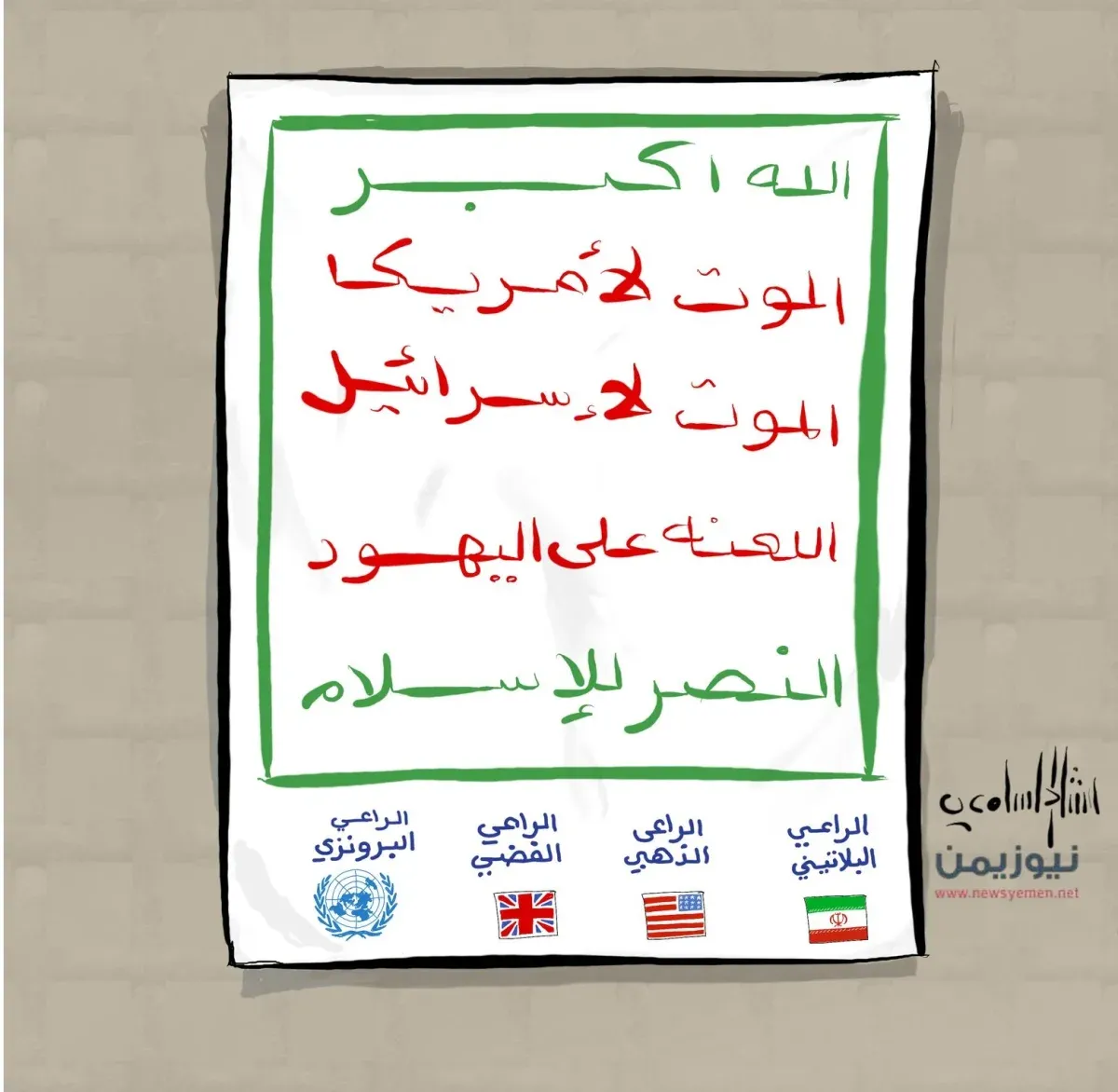
Sabei highlights a paradox linking Houthi actions and U.S. calculations. He observes that the group advocates for confronting the United States and Israel, yet directs some of its operations against Saudi Arabia and imposes restrictions on vessels linked to the Kingdom in the Bab el-Mandeb. He suggests that Washington could leverage the Houthi threat as a means to pressure Riyadh into reconsidering normalization. Sabei contends that this paradox positions the Houthis not merely as an "Iranian tool" but as a factor benefiting other parties in their political calculations, while Trump, in his view, finds an opportunity to use the Houthi danger to push Riyadh toward regional options it had previously been hesitant about.
Sabei believes the core issue is that while Saudi Arabia might be willing to make financial or economic concessions, normalization with Israel represents a different matter due to its linkage with the Saudi position on a Palestinian state and the Kingdom's internal and regional political considerations.
The limited direct military support exacerbates Saudi Arabia's complex calculations. Turkey and Pakistan, despite their growing defense ties with Riyadh, have not declared involvement in the Yemen war alongside Saudi Arabia. Egypt's stated position focuses on supporting Saudi security and the safety of navigation in the Red Sea and Bab el-Mandeb, without announcing direct military participation in the current confrontation. Consequently, Riyadh faces a difficult security equation: an expanding Houthi threat geographically approaching one of the world's most crucial maritime routes, attacks reaching Saudi infrastructure, and a growing need for a broader defense and intelligence system, all while Washington appears unwilling to revert to a pattern of direct military intervention.
These data points suggest that the conflict is not only redrawing the lines of confrontation in Yemen but may also prompt a realignment of security relationships in the region. Saudi Arabia is seeking additional tools to protect its territory and interests. Israel views the Houthis as a threat connected to Iran and maritime security, while Washington aims to manage escalation through a wider network of partners rather than bearing the cost of direct warfare.
Saudi security needs could thus become an entry point for reintroducing normalization within a broader regional framework. However, the success of such a path remains contingent on two intertwined factors: Saudi Arabia's ability to secure effective security guarantees without compromising its political conditions, and the willingness of Washington and Tel Aviv to address the core issue that the Kingdom places at the forefront of any agreement—a genuine path toward a Palestinian state.