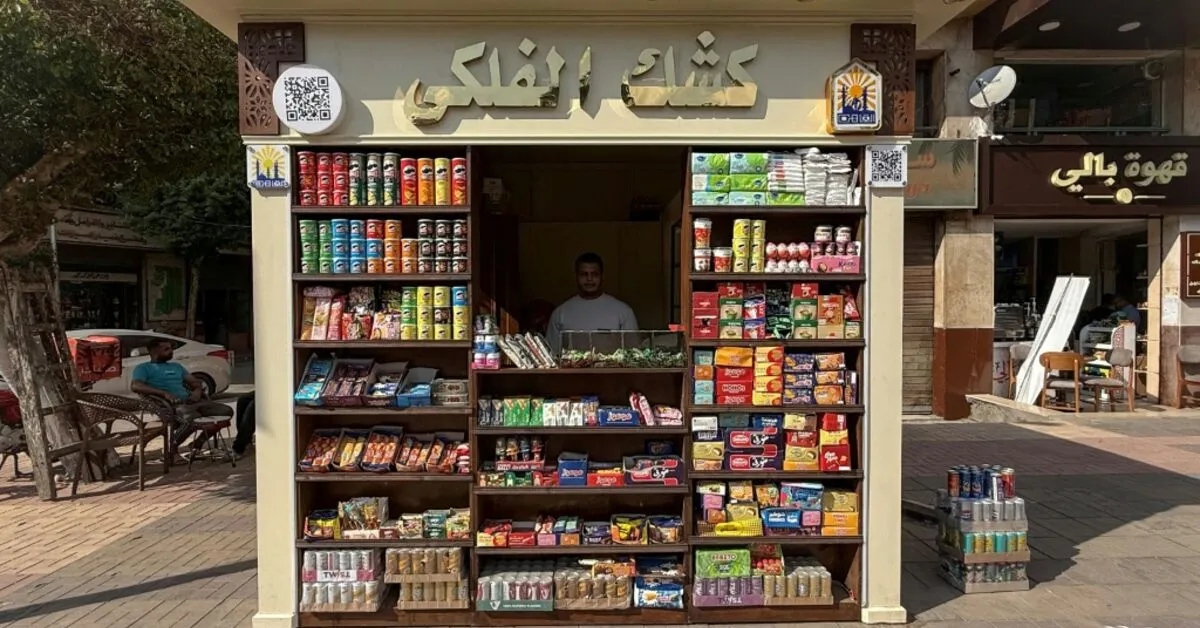
Cairo is undergoing a significant transformation of its ubiquitous street kiosks, a move authorities claim will unify designs and improve urban aesthetics, but which threatens to displace many small business owners due to substantial costs.
The Egyptian capital has launched a plan to standardise thousands of licensed kiosks, requiring existing operators to adopt a new, uniform design within three months. The projected cost of these renovations ranges between 50,000 and 60,000 Egyptian pounds (approximately $1,000-$1,200), a considerable expense for many individuals who operate these small businesses.
This initiative is the latest in a series of urban development projects in Cairo, which critics argue have often disregarded the city's historical character. Moamen Hassan, a 27-year-old shopkeeper in the Heliopolis district, expressed support for improving the city's appearance but voiced concern over the financial implications. "We definitely want the city to look better," he told AFP, "But many kiosk owners in poorer areas won't be able to afford the cost. Some will have no choice but to close."
Cairo Governor Ibrahim Saber stated the scheme aims to enhance the city's visual appeal and maintain clear pavements. A prototype unveiled downtown showcases the vision: a cream-coloured structure with gold lettering and organised shelving, a marked contrast to the current, often cluttered, kiosks. These compact structures, known locally as "koshk," have been a fixture of Cairo's streetscape for generations, serving as vital neighbourhood hubs.
The new regulations will mandate the installation of QR codes for accessing operator information, including licence and payment records. The standardised kiosks, measuring either six or nine square metres, will also be equipped with essential safety features such as electricity meters and fire extinguishers. This overhaul occurs amidst ongoing economic challenges in Egypt, marked by currency devaluations and high inflation.
To mitigate the financial burden, authorities have offered a payment plan: licensed kiosk owners can pay 25 percent upfront, between 12,500 and 15,000 pounds, with the remaining balance payable over two years without interest.