Pakistan has intensified its political and military messaging regarding Saudi Arabia's security amidst escalating Houthi attacks on vital Saudi infrastructure, prompting questions about Islamabad's commitment to its defense obligations with Riyadh.
The Pakistani military confirmed its unwavering support for Saudi Arabia, stating that the nation stands with the Kingdom "diplomatically and physically" and is prepared to take any necessary measures to defend it and its holy sites. Lieutenant General Ahmed Sharif Chaudhry, the spokesperson for the Pakistani Army, asserted that Pakistani forces are already present in Saudi Arabia to assist in its protection, a statement that elevated Pakistan's pledges in parallel with the ongoing Houthi assaults.
Earlier, Pakistan's Defense Minister Khawaja Muhammad Asif had indicated that any unjustified aggression against Saudi Arabia or an extension of the Yemen conflict into its territory could activate the Mecca Defense Pact. He reiterated Pakistan's commitment to the agreement's provisions. Subsequently, the Pakistani Ministry of Foreign Affairs stated that Islamabad would act in accordance with the pact's requirements, though it emphasized that no discussions regarding direct military action against the Houthis were underway at that time.
These pronouncements carry significant weight given the joint defense agreement signed by Saudi Arabia, Pakistan, and Turkey in August, which stipulates that an armed attack on any one of the three signatory nations will be considered an attack on all. However, the practical mechanisms for activating this agreement and the nature of the assistance each country can provide require further operational arrangements, leaving a considerable gap between political commitment and direct military engagement.
Concurrently with these heightened pledges, Islamabad has engaged with Tehran. Reports suggest that Pakistan conveyed a Saudi message to Iran urging it to curb Houthi attacks on the Kingdom. Furthermore, it has been reported that Pakistan's Army Chief, General Asim Munir, pressed Iranian officials to help halt the attacks, warning that Pakistan might be compelled to defend Saudi Arabia if requested under their defense commitments.
These coordinated actions suggest that Islamabad is currently pursuing a dual strategy: pressuring Iran to cease Houthi attacks while simultaneously affirming its readiness to fulfill its commitments to Saudi Arabia should the confrontation escalate. It is crucial to note that defending Saudi Arabia does not necessarily entail deploying Pakistani troops into Yemen. Military assistance could encompass various forms, including bolstering air defense, safeguarding Saudi airspace and facilities, providing intelligence or logistical support, or increasing military capabilities within the Kingdom.
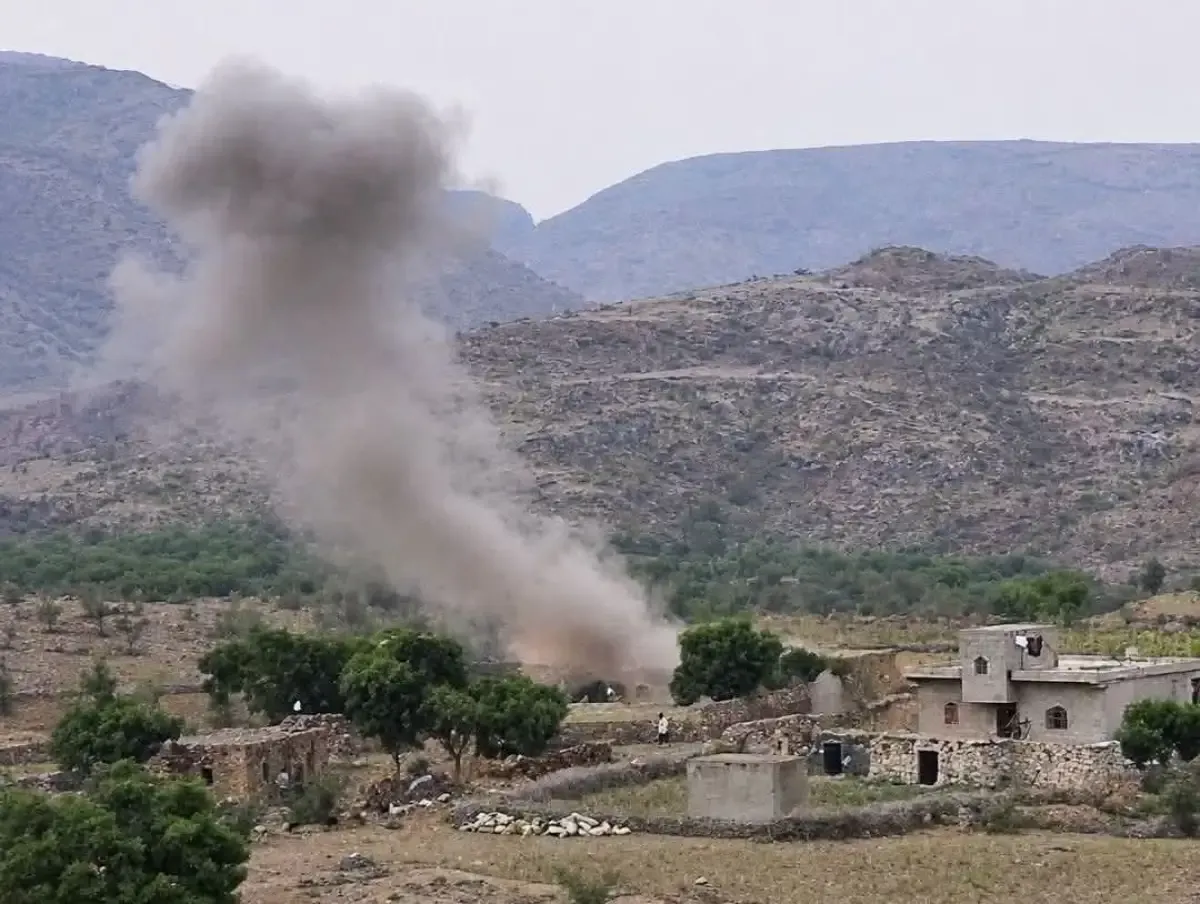
Analysis indicates that Riyadh would lead the determination of the type of assistance required if the defense pact were activated, and there is currently no indication that Saudi Arabia has requested Pakistan to initiate military operations within Yemen. This development occurs as Saudi Arabia faces mounting pressure from Houthi attacks, having announced in September that its cities and vital infrastructure were targeted by missiles and drones. Reports suggest Riyadh is seeking assistance from multiple countries to replenish its interceptor missile stocks amid depleting air defense capabilities.
The targeting of areas near Mecca has heightened the sensitivity of the situation for Pakistan, whose commitment to Saudi security is intrinsically linked to the protection of its holy sites. Saudi Arabia announced the interception of a drone it claimed was launched by the Houthi group towards the Mecca region, though the group denied targeting holy sites. Conversely, direct military intervention in Yemen would present Pakistan with more complex considerations, particularly as Islamabad seeks to maintain its relations with Tehran alongside its security partnership with Riyadh.
Therefore, current actions appear to be more aligned with enhancing deterrence, defense readiness, and diplomatic pressure rather than an explicit declaration of entry into the Yemeni conflict. As such, Pakistan has not announced a decision for direct military intervention in Yemen alongside Saudi Arabia. However, it has clearly elevated its commitment to the Kingdom's defense, affirming that the Mecca pact could become operational should Saudi Arabia face aggression or if the Yemeni conflict extends to its territory. The extent of any military action will remain contingent on Saudi requests, the nature of the threat, and understandings reached among the signatory nations.