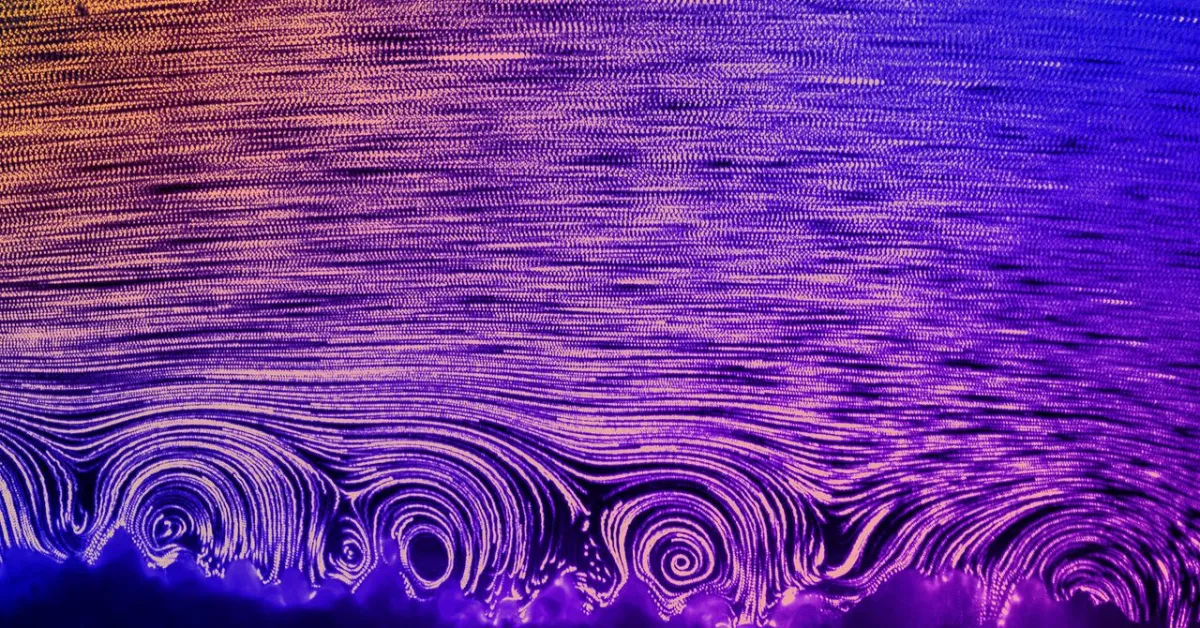
New research reveals that the tiny, hair-like cilia on corals, crucial for their survival by circulating oxygen, may malfunction in warming ocean waters, potentially leading to suffocation.
Corals, often mistaken for simple rock formations, are complex living colonies that require oxygen, just like other animals. A fascinating, previously unknown survival mechanism involves microscopic cilia on their surface. These cilia generate water currents, vital for circulating oxygen and keeping colonies clean, especially at night when their symbiotic algae, which produce oxygen during the day, are inactive.
A recent study published in Science highlights how warming waters, which naturally hold less oxygen, force these cilia to beat faster, akin to gasping for air. However, beyond a certain temperature threshold, this frantic motion becomes counterproductive. The intense cilia activity depletes any available oxygen, leading to polyps suffocating in the increasingly oxygen-deprived water.
Scientists previously focused on symbiotic algae as indicators of coral health. Now, the role of cilia is emerging as a potentially more direct signal. Researchers are investigating the intricate interplay of physics and biology involved, linking cilia function to coral bleaching, disease, and mass die-offs. Understanding these microscopic processes could explain why some corals survive harsh conditions while others perish side-by-side.
Experiments exposing stony corals to escalating temperatures revealed that cilia initially beat faster to meet increased oxygen demand. However, as water temperatures neared human body temperature and beyond, cilia movement slowed and eventually ceased, resulting in coral death. This suggests that rising ocean temperatures, exacerbated by climate change and marine heatwaves, are pushing corals toward lethal limits, even beyond the well-known phenomenon of bleaching.
The research underscores the critical, yet often overlooked, role of oxygen availability in coral survival. While ocean acidification has long been a primary concern, this new work points to deoxygenation, driven by warmer waters, as a significant and potentially fatal threat from climate change. Scientists are now racing to understand these dynamics to better protect vulnerable coral reefs worldwide.