World leaders are converging in New York for the United Nations General Assembly, facing significant global challenges including escalating conflicts in the Middle East and Ukraine, and the potential risks posed by artificial intelligence. The gathering occurs as the post-World War II international order is under strain and the UN itself navigates questions of relevance and financial stability.
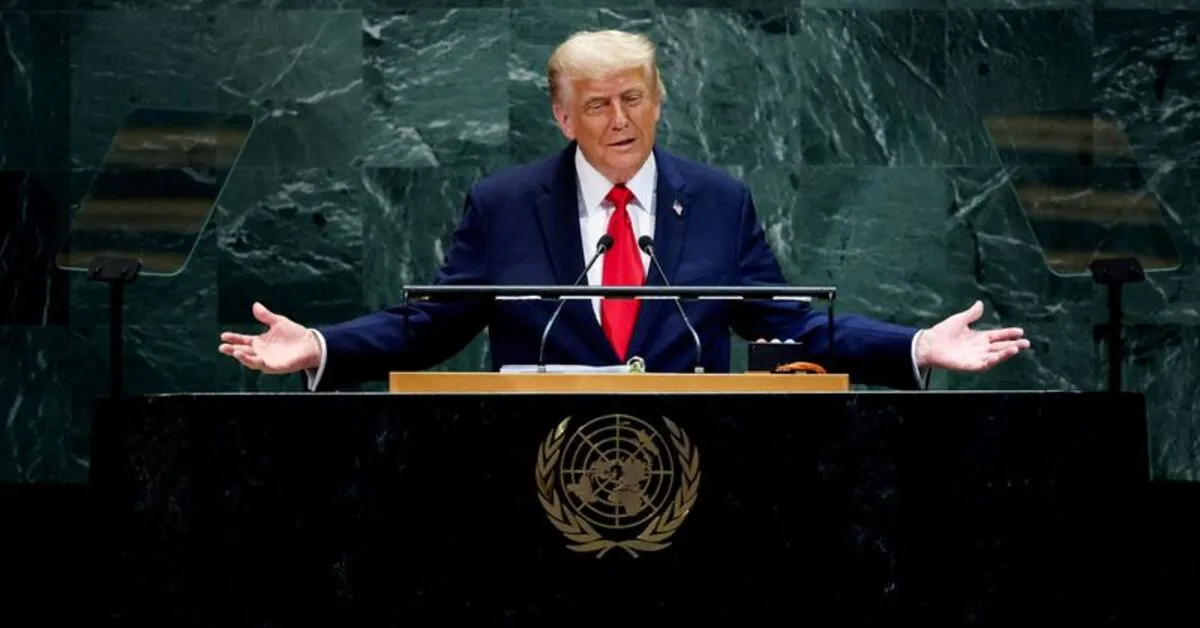
This year's assembly sees nearly 130 heads of state convene amidst a backdrop of geopolitical tensions. Notably, Chinese leader Xi Jinping will forgo the New York forum to hold bilateral talks with U.S. President Donald Trump in Washington, a move that has intensified discussions regarding the UN's efficacy in addressing major global crises. President Trump, a vocal critic of the organization, returns to the podium for a second consecutive year, having previously reduced U.S. financial contributions and withdrawn from several UN bodies.
Compounding the organization's challenges are concerns about its future leadership. Secretary-General Antonio Guterres's term concludes at the end of 2026, with no clear successor identified. The UN Security Council is expected to convene high-level meetings addressing key issues such as the conflict in Ukraine, the development of artificial intelligence, and the complex situation in the Middle East, including discussions with Arab leaders.
The assembly convenes shortly after industry leaders and experts issued warnings about the rapid advancement of artificial intelligence, advocating for a coordinated slowdown due to concerns about the technology potentially escaping human control. Secretary-General Guterres has identified AI as a major topic, urging the establishment of global safeguards to prevent a "race to the bottom" that could lead to catastrophic outcomes. President Trump, however, has dismissed these concerns, labeling them a "hoax" and suggesting that China would benefit from delays in AI development.
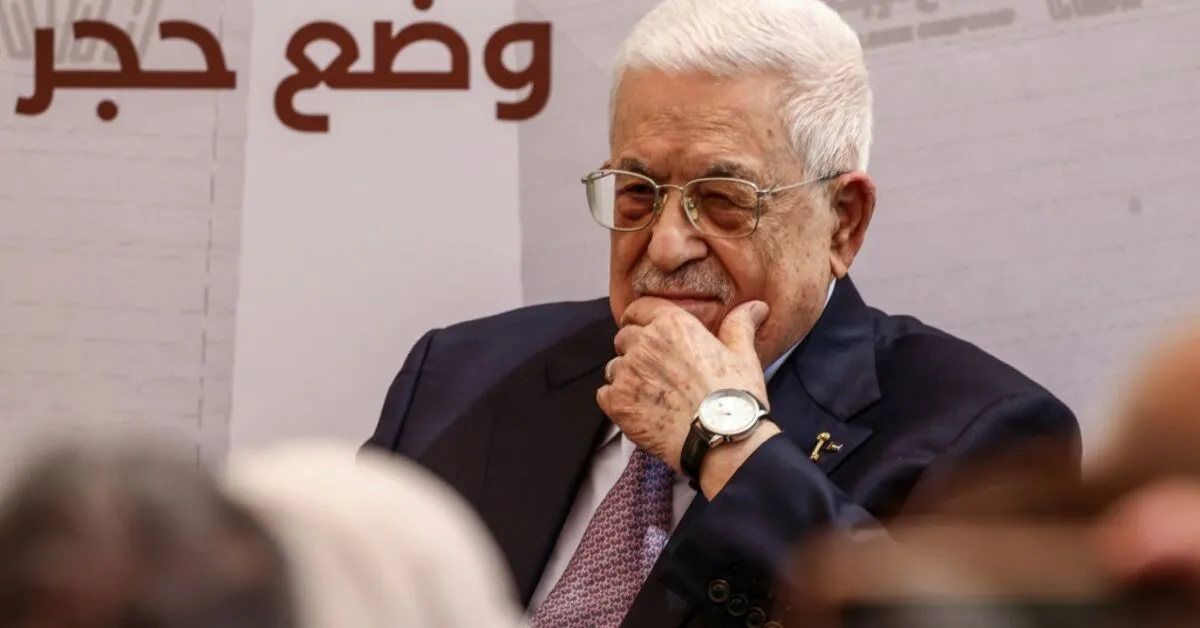
The Middle East remains a central focus, with ongoing discussions on the U.S.-Israeli conflict with Iran, which continues to impact global inflation and regional stability. The escalation of Houthi militant activity threatens crucial shipping lanes in the Bab el-Mandeb Strait, potentially driving up energy prices. Efforts to de-escalate, including UN-led initiatives in Yemen, face considerable obstacles, particularly as Iran and the U.S. engage in retaliatory strikes. Iranian President Masoud Pezeshkian and Israeli Prime Minister Benjamin Netanyahu are scheduled to address the assembly, while Palestinian President Mahmoud Abbas, denied a U.S. visa for a second consecutive year, will participate remotely.
The war in Ukraine is also prominently on the agenda, with Ukrainian President Volodymyr Zelenskiy and Russian Foreign Minister Sergei Lavrov set to speak. President Zelenskiy is expected to seek continued international support as Ukraine braces for another challenging winter. The UN Security Council's ability to act on the conflict is impeded by Russia's veto power. Secretary-General Guterres has underscored the war's devastating impact on civilians and its contribution to global food and energy insecurity, highlighting the critical need for safe passage for Ukrainian and Russian exports through the Black Sea.