Despite increased oil shipments from the Persian Gulf, crude prices remain near $100 a barrel, a situation analysts attribute to shifting market sentiment regarding geopolitical stability and declining strategic reserves.
The current high cost of oil, even as Middle Eastern supply has reached levels not seen since the Iran-Iraq War, presents a seeming paradox. Traders' perspectives have evidently shifted from potential peace agreements to heightened concerns about the protracted nature of regional hostilities.
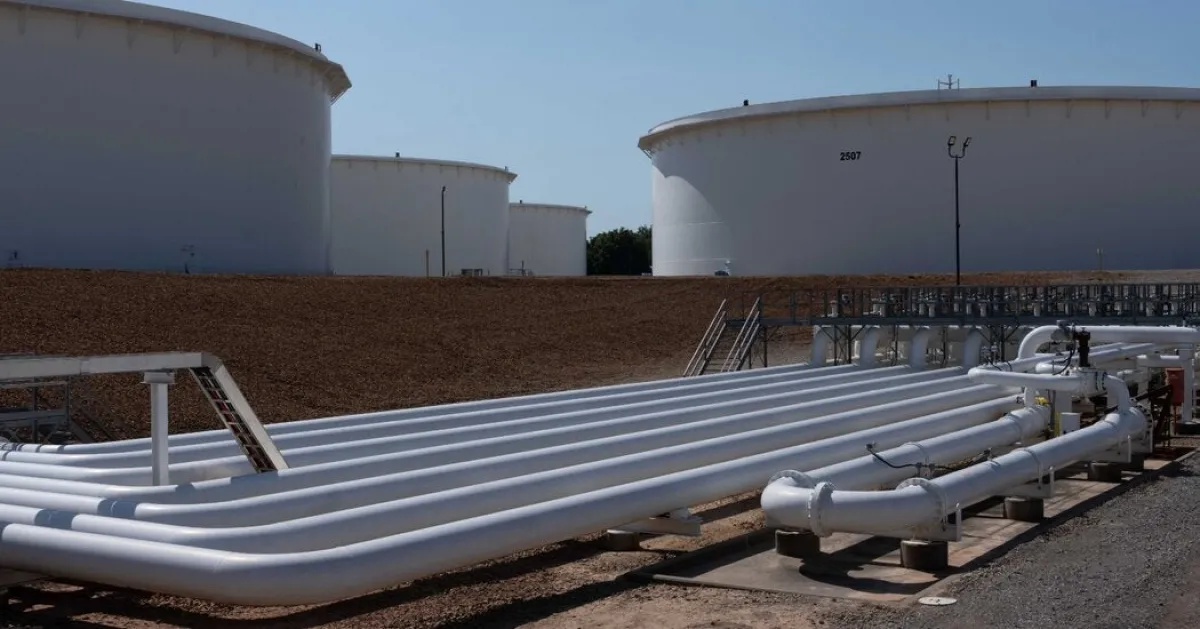
Compounding the issue, the United States and other nations have been depleting their strategic oil stockpiles to manage the immediate supply-demand imbalance. This drawdown of global buffers against potential future disruptions contributes significantly to the sustained high prices.
Furthermore, China's increased oil purchases, following an initial reduction in imports after the conflict began, are also playing a role in the market dynamics. David Fyfe, chief economist at Argus Media, noted the apparent contradiction, suggesting that while physical flows have increased, the market is responding to a lack of political resolution.
The international benchmark Brent crude was priced at $98 a barrel on Wednesday, indicating traders' expectations for its value in December. This figure is notably higher than the futures prices observed in June, July, and August, a period characterized by less crude originating from the Persian Gulf.