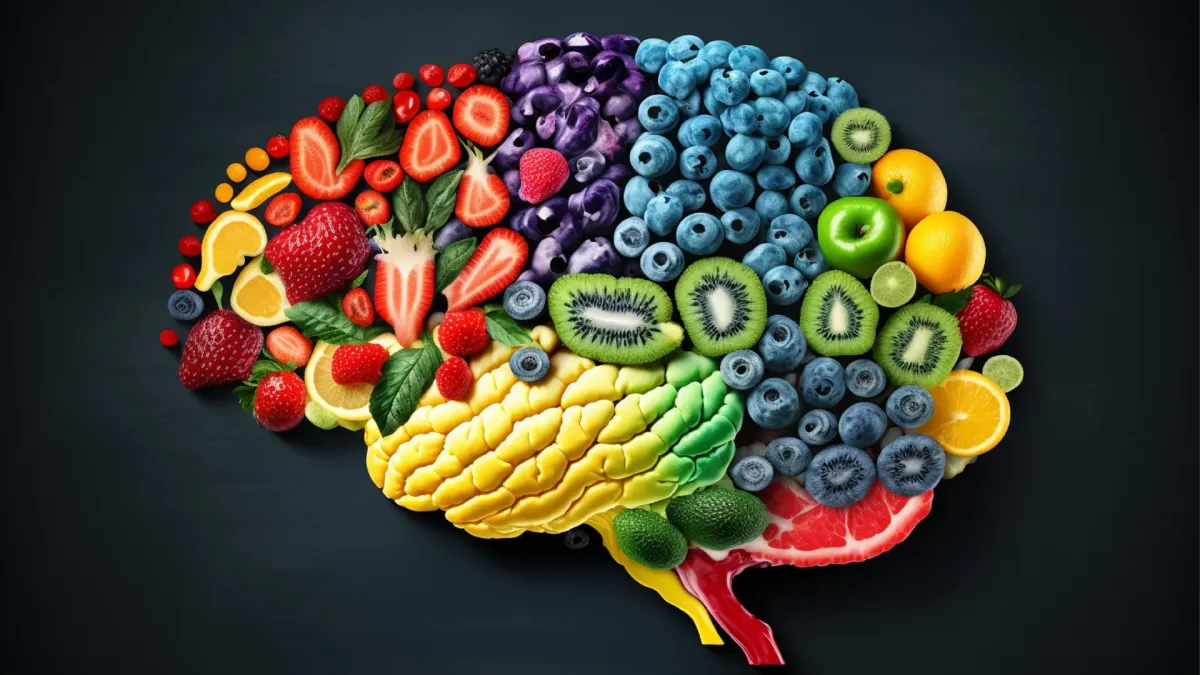
A diet combining Mediterranean and DASH principles, known as the MIND diet, may significantly slow brain aging, potentially by as much as 2.5 years. Research published in the Journal of Neurology Neurosurgery & Psychiatry suggests higher adherence to this eating plan is associated with less brain tissue loss and slower structural changes over time.
The MIND diet, which stands for Mediterranean-Dietary Approaches to Stop Hypertension Intervention for Neurodegenerative Delay, emphasizes leafy green vegetables, other vegetables, berries, nuts, whole grains, fish, beans, olive oil, and poultry, while limiting butter, cheese, red meat, sweets, and fried foods. Previous studies have linked the MIND diet to better cognitive function, but its specific impact on brain structure related to aging was less clear.
Researchers analyzed data from 1647 adults, tracking their diet and brain health via MRI scans over an average of 12 years. They found that participants with higher scores on the MIND diet showed a slower rate of grey matter loss, the brain tissue crucial for memory and learning. Specifically, a 3-point increase in the MIND diet score correlated with 20% less age-related grey matter decline, equivalent to delaying brain aging by 2.5 years.
The study also noted that higher MIND diet adherence was associated with slower enlargement of the brain's ventricles, fluid-filled spaces that typically expand as brain tissue shrinks. This effect was equivalent to about 1 year of delayed brain aging. While berries and poultry consumption appeared particularly beneficial, with higher intake linked to slower ventricular enlargement and grey matter decline, the consumption of sweets and fried foods was associated with negative structural changes.
Interestingly, some findings were unexpected. Higher whole grain intake was linked to some unfavorable structural changes, while increased cheese consumption showed protective effects. The benefits of the MIND diet also appeared stronger in older participants and those who were more physically active and maintained a healthy weight, suggesting that combining diet with other healthy lifestyle habits could further boost brain health and potentially reduce the risk of neurodegenerative diseases.
While the study provides compelling evidence, the researchers acknowledge it's observational and cannot definitively prove cause and effect. Factors like recall bias from food questionnaires and genetic predispositions were also noted limitations. Nevertheless, the findings strongly support the MIND diet as a valuable tool for promoting brain health and potentially mitigating neurodegeneration in aging populations.