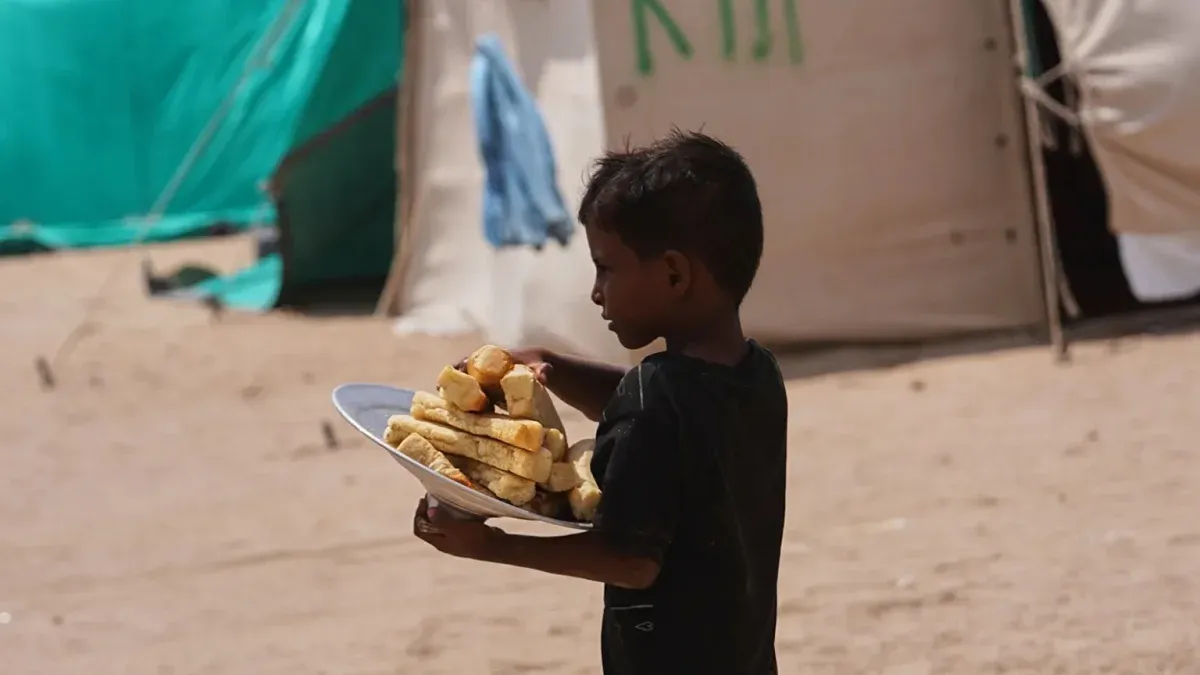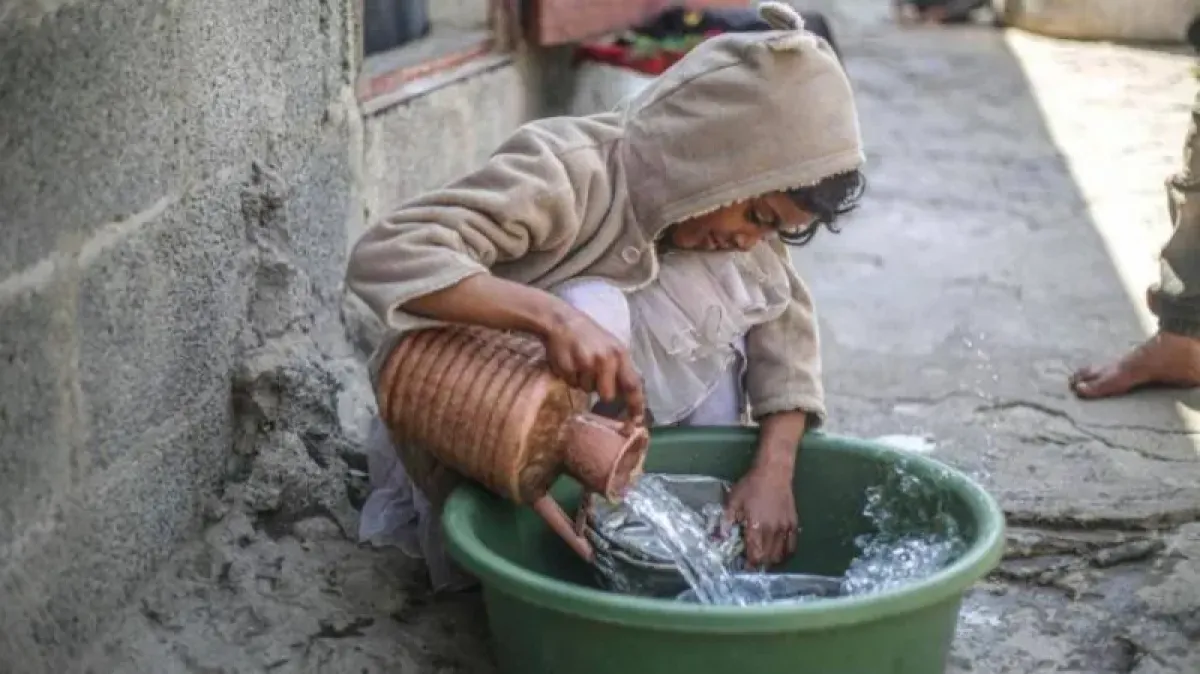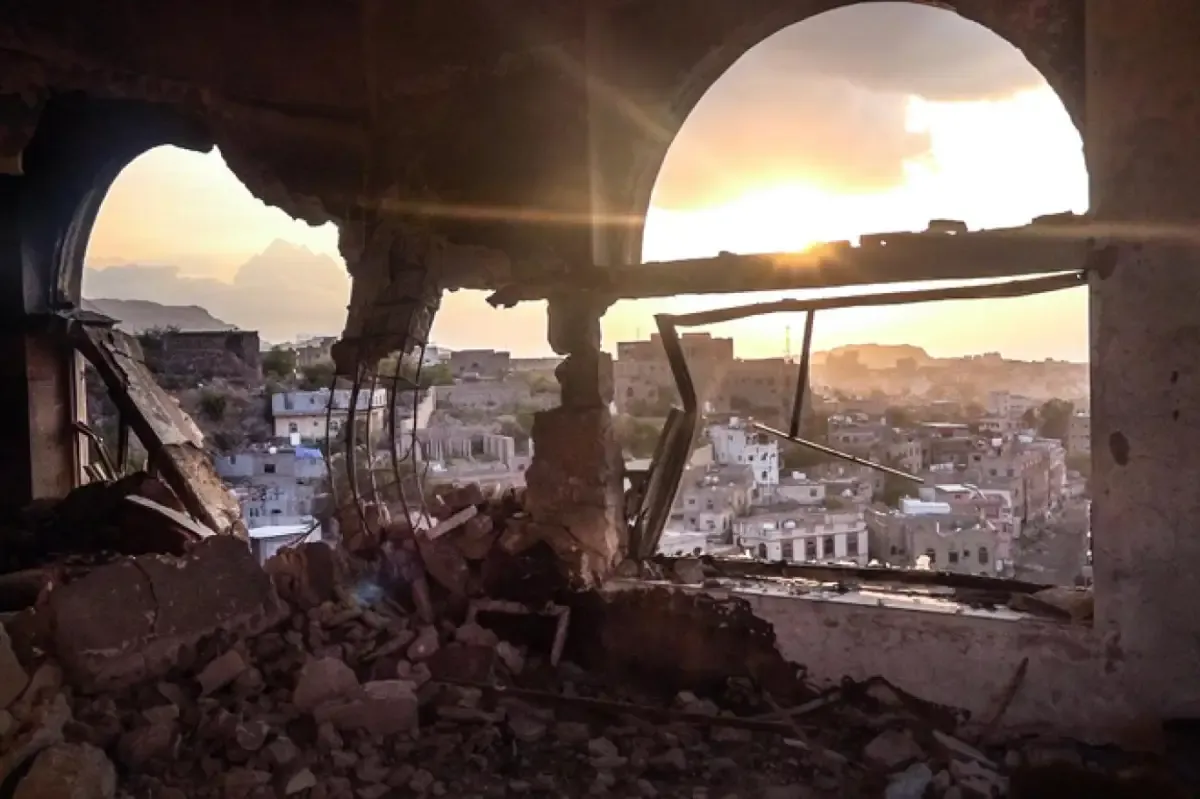
Houthi violations against civilians in Taiz Governorate are escalating, coinciding with intensified battles on multiple fronts. The abuses now encompass abductions, persecution, and home raids, in addition to shelling that has targeted residential areas, properties, and roads, exacerbating the pressure on residents and deepening the humanitarian crisis in the governorate.
In the Mawiya district, Houthi militias abducted a farmer accused of conspiring and communicating with what they term "aggression," continuing a pattern of pursuit targeting residents of the district under similar pretexts. Local sources identified the abducted farmer as Hamim Mohammed, a daily wage laborer supporting a family and relying on agriculture and strenuous work for their livelihood. This abduction follows previous arrest campaigns by the militia in Mawiya, fostering an atmosphere of discontent and fear among residents regarding ongoing detentions based on political and security accusations.
The violations are not limited to arrests. Civilians have reported an increase in raids and searches conducted by the militia in areas recently seized in the Shamaiteen and Jabal Habashi districts in southwestern Taiz. Reports indicate that militia forces have stormed citizens' homes, instilling terror in women and children in residential villages. These actions occur amid fierce confrontations in Taiz, leaving civilians caught between the pressures of military operations and the militia's campaigns of persecution and raids, raising concerns of further escalating violations as the fighting expands.
The Yemeni Network for Rights and Freedoms has documented 61 incidents of human rights abuses and material damage attributed to Houthi militias against civilians and public and private property in Taiz within a single 24-hour period. According to the network, these incidents included killings, injuries, field executions, shelling of residential neighborhoods, and targeting of homes, vehicles, and roads. The violations resulted in the deaths of five civilians, including women and an infant, and injuries to 22 others, including seven women and six children. Additionally, 21 homes sustained partial or total damage, along with 12 civilian vehicles and crucial public roads, impeding residents' movement and access to essential services.
The report also documented the field execution of Hammoud Abdullah Saif Al-Rajhi, who was killed by Houthi militants inside his home in front of his children and wife in the Jabal area of Sam'a district, after he refused to allow them to use his house as a sniper position. The network indicated that these events were accompanied by continuous shelling of civilian areas and properties. The targeting of roads has significantly worsened the suffering of affected families, particularly given the difficulties in accessing medical services, food supplies, and basic necessities. The network highlighted that the escalation coincides with a siege that has contributed to shortages of food, medicine, and other essential requirements, warning that the continuation of these conditions will exacerbate the humanitarian situation for residents in the affected areas.
The Yemeni Network for Rights and Freedoms emphasized that the reported figures are preliminary and subject to update, and do not represent a comprehensive count of all violations. The ongoing confrontations have hindered their field team's ability to access all areas and verify incidents, underscoring the challenges in documenting the full extent of the abuses.