One year after a ceasefire was declared to end the conflict in Gaza, many of the long-term objectives agreed upon remain largely unrealized, according to reports. The agreement, brokered with the involvement of then-US President Donald Trump, has seen mixed outcomes, with some key provisions falling short of expectations.
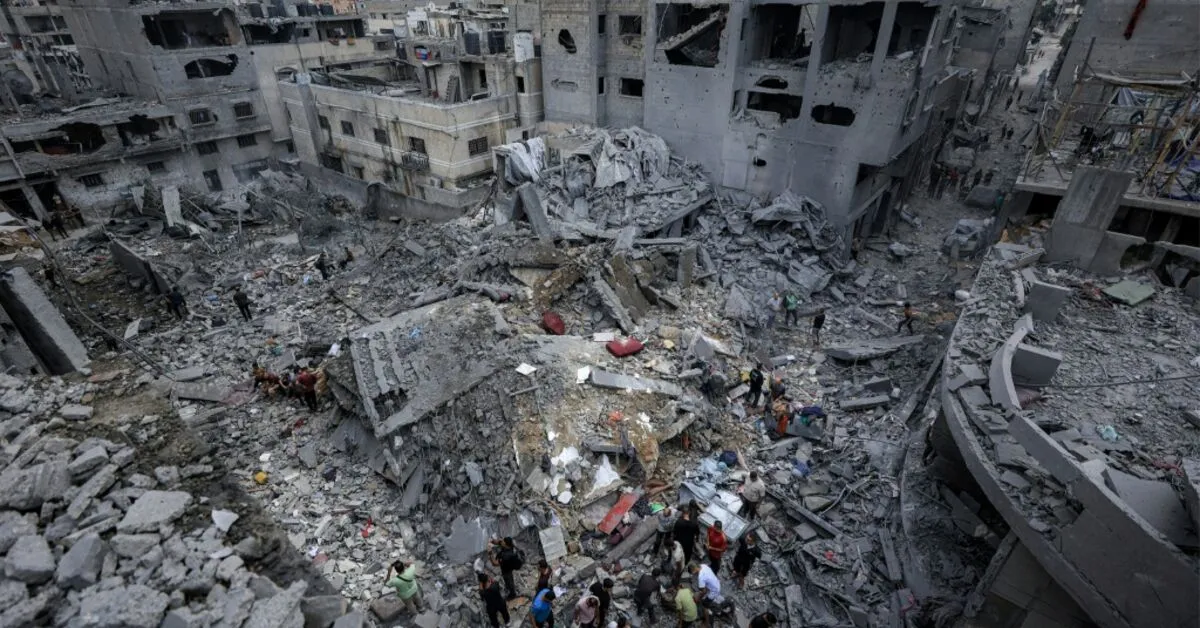
The ceasefire, established on October 10, 2025, initially brought relief through the release of hostages held by Hamas following the group's October 7, 2023 attack. The return of these captives was a critical priority for Israel. Concurrently, Israel experienced a year of relative calm from the Gaza front, with no rocket attacks launched by Hamas. This quietude followed extensive Israeli bombardment that significantly depleted Hamas's missile capabilities and caused widespread destruction in Gaza. A US-led military command post was established near the border to monitor the truce.
Despite the ceasefire, Israel has maintained a significant military presence and continued sporadic strikes within Gaza. Since the agreement, Gaza's health ministry, operating under Hamas and whose figures are corroborated by the United Nations, reports that approximately 1,450 Palestinians have been killed. Israeli Prime Minister Benjamin Netanyahu had pledged to eliminate all involved in the October 7 attacks, stating a year later that thousands of Hamas operatives had been neutralized. While Israeli forces were permitted to remain in 53 percent of Gaza under the ceasefire terms, their control has reportedly expanded to approximately 70 percent.
The second phase of the ceasefire was intended to facilitate a political transition away from Hamas's governance, with the appointment of technocrat Ali Shaath as the head of a new National Committee for the Administration of Gaza (NCAG). Hamas announced in July its dissolution of its governing body and the handover of administration to the NCAG. However, Hamas has reportedly maintained de facto security control in Gaza, and Shaath has adopted a low profile. The group elected a new leader, Khalil al-Hayya, in July, subsequently announcing a commitment to disarm, a step that was initially hailed by President Trump. Israel, however, has remained skeptical, with Prime Minister Netanyahu demanding verifiable disarmament down to individual weapons, a demand that Hamas has not met, consequently delaying any reciprocal withdrawal of Israeli forces.
Plans for the reconstruction of Gaza have also stalled. President Trump established a global body named the "Board of Peace," appointing former British Prime Minister Tony Blair and Bulgarian diplomat Nickolay Mladenov as key figures. Despite President Trump's January pledge of $10 billion in US funding, and commitments from Gulf allies, no reconstruction funds have reportedly reached Gaza. In September, the Board of Peace proposed a $2.45 billion recovery plan, intended to span six months, during a meeting with its members and stakeholders.