The International Monetary Fund (IMF) has upgraded its global growth forecast for 2026 to 3.1 percent, citing the resilience of advanced economies despite ongoing geopolitical tensions and elevated energy prices. However, the organization cautioned that low-income countries remain vulnerable to economic shocks, projecting a "bifurcated outlook" characterized by divergent economic trajectories.
In its World Economic Outlook (WEO) report, released during the IMF's Annual Meetings in Bangkok, the Fund increased its 2026 global growth projection by 0.1 percentage points. This revision comes as many advanced economies have benefited from increased investment in artificial intelligence (AI) technology. Conversely, poorer nations not participating in this AI boom face significant challenges due to high energy costs stemming from the conflict in the Middle East.
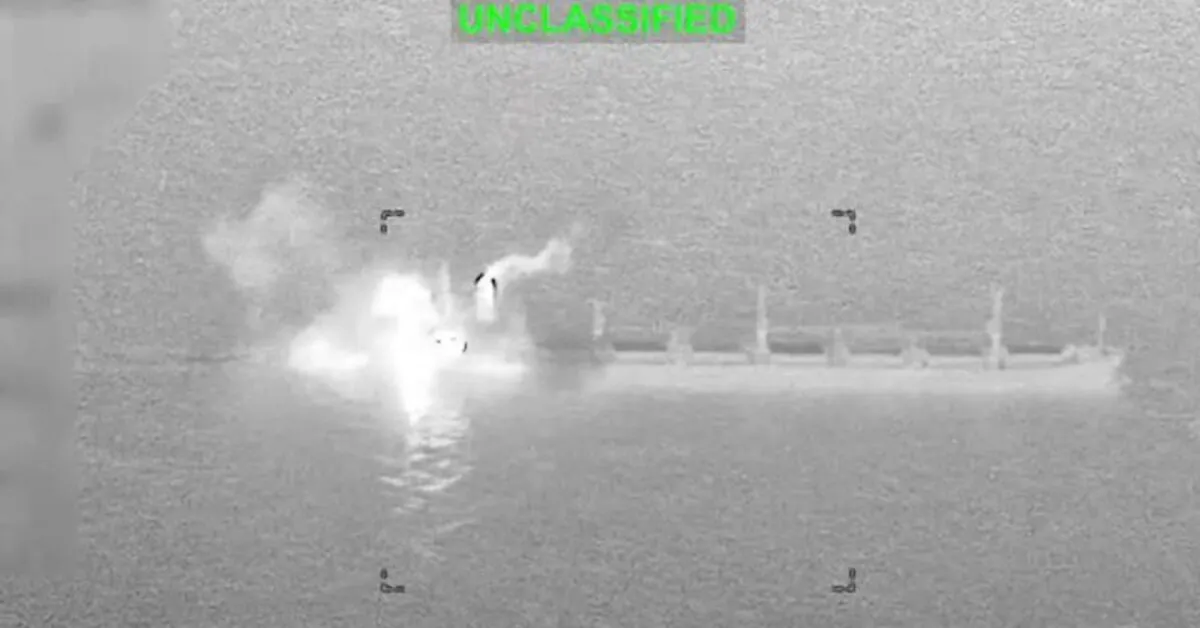
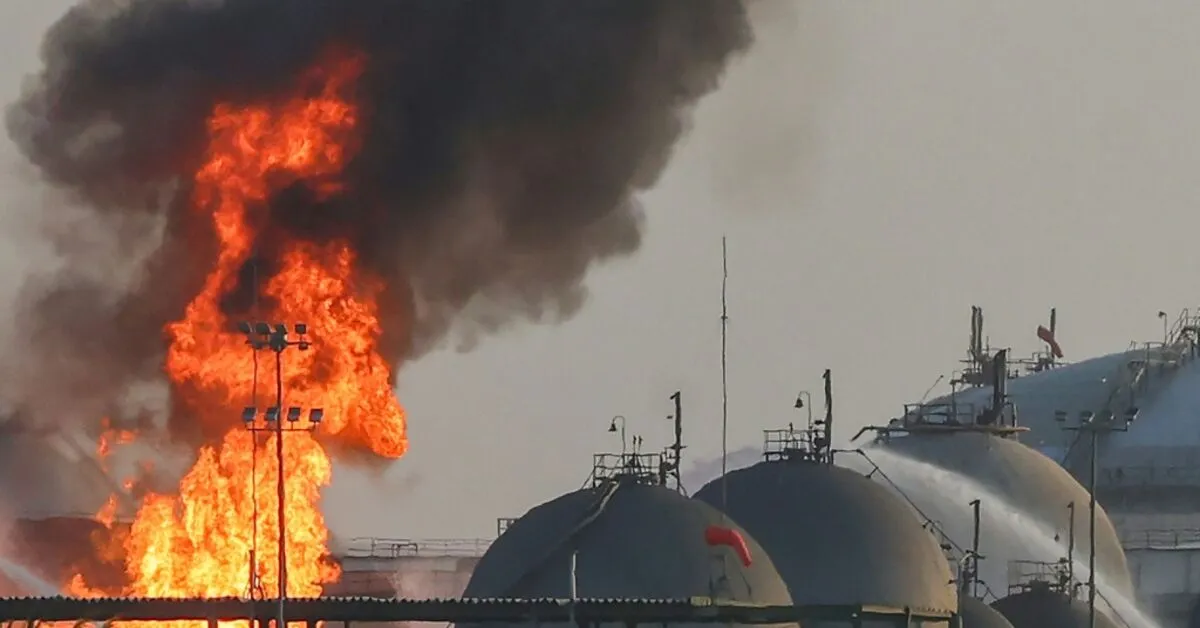
"The global economy has been resilient, but that resilience is under strain, with risks to growth tilted to the downside," stated Silvana Tenreyro, the IMF's chief economist. The ongoing conflict in the Middle East, now in its eighth month, has led to a substantial surge in global energy prices, with refined petroleum products remaining significantly above pre-war levels. Tenreyro warned that a prolonged conflict could further exacerbate inflationary pressures and impede growth.
The IMF's analysis highlights a fragmented global economy shaped by two major forces: the conflict in the Middle East and the AI technology boom. The report indicates that energy-importing countries not benefiting from the AI surge are the most susceptible to these economic headwinds. "Headwinds from a prolonged war and persistent geopolitical tensions could revive inflationary pressures, strain fiscal and external positions, and hit energy-importing and low-income countries hardest," the report detailed. Simultaneously, it noted that the AI-driven tailwind could abruptly cease if expectations regarding AI-related profits and productivity gains are revised, potentially impacting investment and financial conditions.
The disparity in economic fortunes is reflected in regional projections. The Middle East and Central Asia region, directly affected by the conflict, is forecast to experience an economic contraction of 0.3 percent in 2026. Saudi Arabia, in particular, faces a projected growth contraction of 3.3 percent, a downward revision of 5.0 percentage points. While a rebound is anticipated post-conflict, the timing remains highly uncertain. In contrast, advanced economies are expected to grow by 2.1 percent in 2026, with countries like Taiwan and South Korea, integral to the AI supply chain, projected to show significantly higher figures. China's economy is expected to slow to 4.5 percent this year, primarily due to weak domestic demand.
In response to these risks, IMF Chief Economist Tenreyro urged "urgent action." She advised governments to implement only temporary and targeted fiscal measures to alleviate the cost-of-living burden on citizens. Concurrently, she emphasized the importance of monetary policy remaining "firmly focused on price stability," suggesting that interest rate adjustments to control inflation are appropriate. "The economy has been resilient, but that resilience is reaching its limits," she concluded. "The task ahead is to move from coping to rebuilding, restoring fiscal space, and rebuilding supply-side resilience."