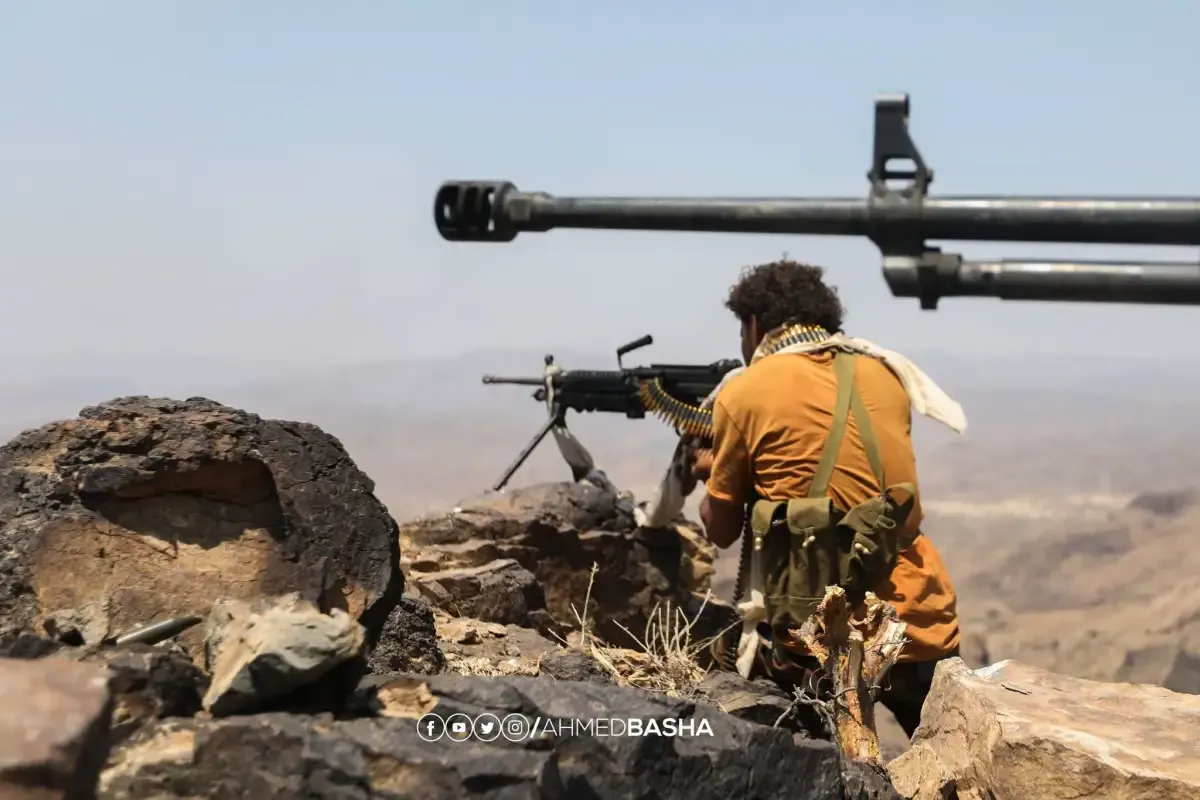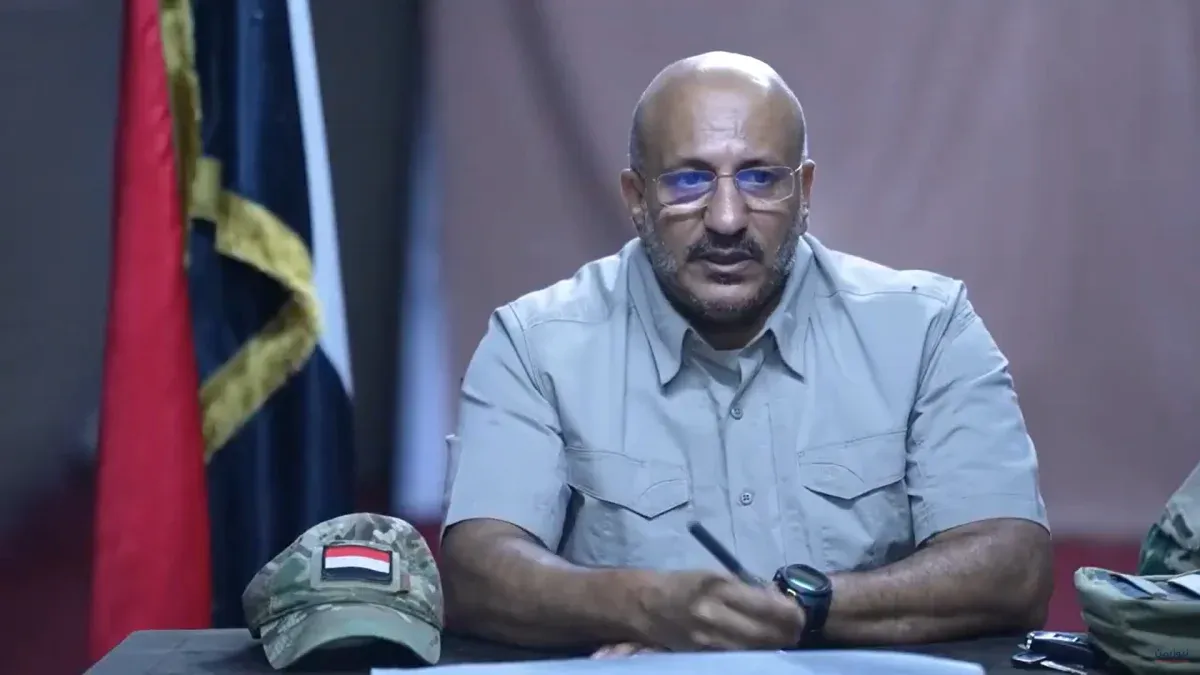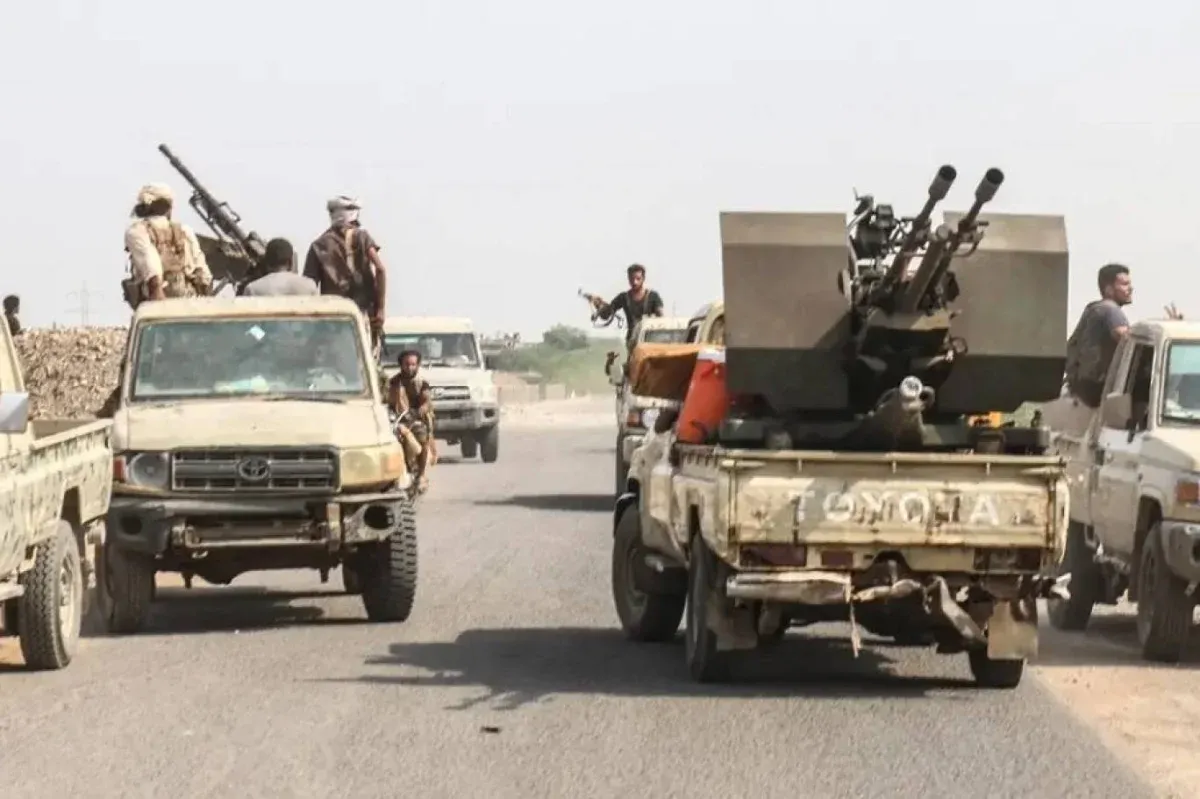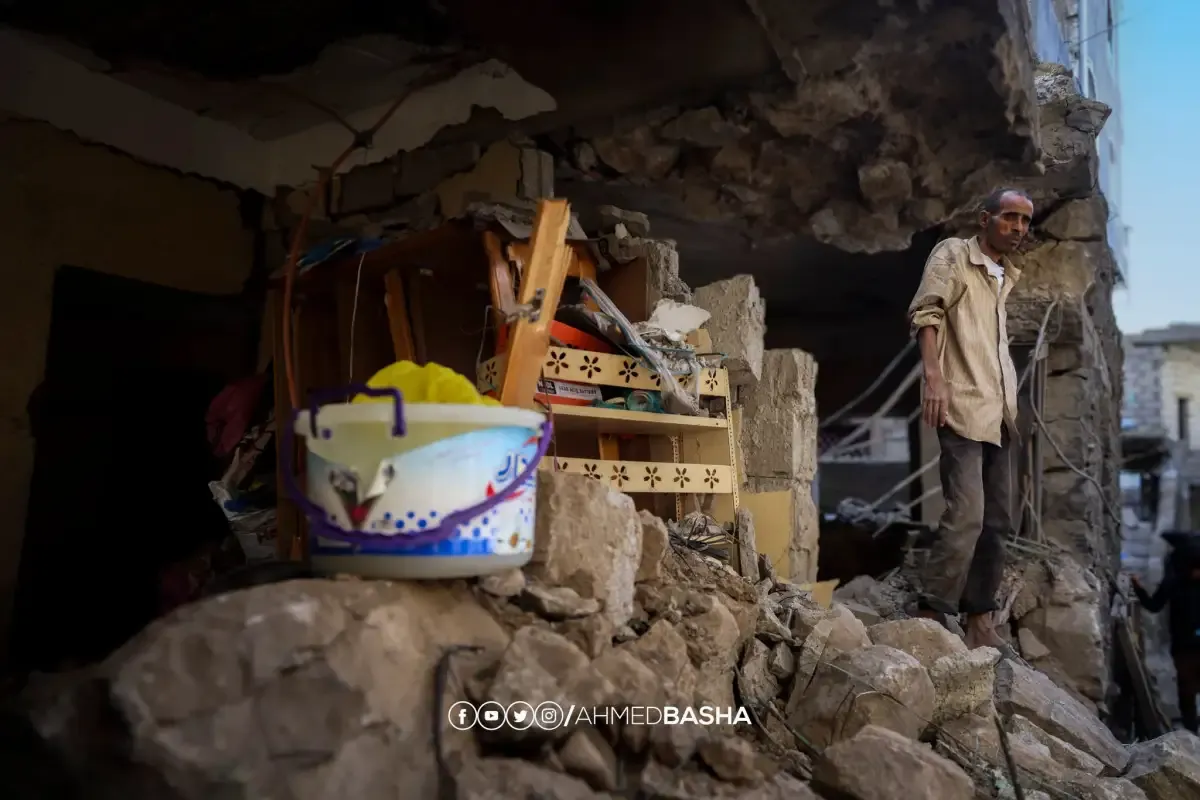
The Houthi militia, reportedly backed by Iran, has escalated its attacks on civilians in Taiz Governorate, resulting in numerous casualties, destruction of residential areas, and damage to vital infrastructure. Human rights reports indicate a severe humanitarian cost for residents enduring the prolonged conflict and siege.
The Yemeni Network for Rights and Freedoms documented 109 crimes and violations within a 48-hour period, including the indiscriminate firing of approximately 147 projectiles. The report details that two ballistic missiles targeted the Saina neighborhood in the city center. These violations resulted in the deaths of 8 civilians, including 3 women and 3 children, and injured 26 others, including 7 women and 4 children. Additionally, 24 citizens were abducted and taken to unknown locations, 23 homes were raided, 17 homes sustained damage, and 11 civilian vehicles were affected.
Attacks, as per the report, encompassed artillery and missile shelling, mortar and Katyusha rockets, drone strikes, sniper fire, clashes, and targeting of residential areas in Al-Shaqab, Al-Masrakh, Al-Aqrood, Al-Masbah, Saina, Al-Ta'ziyah, Jabal Habashi, and other rural and urban areas of Taiz. A particularly grave incident involved an ambulance being struck by an artillery shell in the Sabr area, killing its driver and injuring the accompanying doctor, while destroying the vehicle. This highlights the extreme risks faced by medical personnel attempting to reach and evacuate the injured from bombardment zones.
Dr. Fahd Al-Nadhari, Director of the Public Health and Population Office in Taiz, warned of the consequences of repeated attacks on health facilities and personnel. He emphasized that shelling, sieges, and shortages of medicine, supplies, and fuel are increasingly hindering hospitals' ability to provide services. Five hospitals and health centers have suffered varying degrees of damage, including the Al-Thawra General Hospital and Al-Safwa Hospital. The health sector has also lost numerous ambulances, with 15 reportedly looted by the militia, along with medical equipment from hospitals in Al-Mokha and Al-Turbah. Houthi snipers have also targeted medical teams and ambulances, preventing the evacuation of the injured, as seen in the case of a father and daughter injured in their home who could not be reached due to the targeting of responders.
The reported violations extend beyond residential areas and health facilities. The Houthi militia reportedly occupied the Umm Al-Mu'minin Khadijah center for Quran memorization in Al-Nour Mosque and converted other mosques into gathering places. The network also documented the destruction of a culvert on the Haijat Al-Abd road, cutting off the main route connecting Taiz to Lahj and Aden, thereby complicating movement and access to essential services and markets. In a separate incident, a local activist reported an explosion in a mountainous area of Al-Maqaterah district, Lahj, damaging a local road connecting villages to Al-Shamaytitin and Al-Turbah. The explosion caused large rocks to fall onto agricultural terraces and destroyed parts of the road, which had been developed by residents over ten years. The activist attributed the bombing to the Houthi militia, though details of the incident and perpetrator could not be independently verified.
These events are occurring amidst ongoing restrictions on movement into and out of Taiz, exacerbating the impact of the conflict on civilians and impeding access to hospitals, medicine, fuel, food, and water. The Yemeni Network for Rights and Freedoms urged the United Nations and the international community to condemn the violations, protect civilians, lift the siege, open roads, and ensure the safe and regular delivery of aid. The network also called for Taiz to be declared a disaster-stricken city with an expanded humanitarian response. The repeated targeting of civilian infrastructure underscores the need for measures to protect civilians and civilian objects, investigate documented incidents, and hold perpetrators accountable, rather than leaving residents to face the consequences of escalation and blockade alone.